
What Risks And Impacts Can Arise From Ignoring Annual Inspection Of Photocells?
Introduce
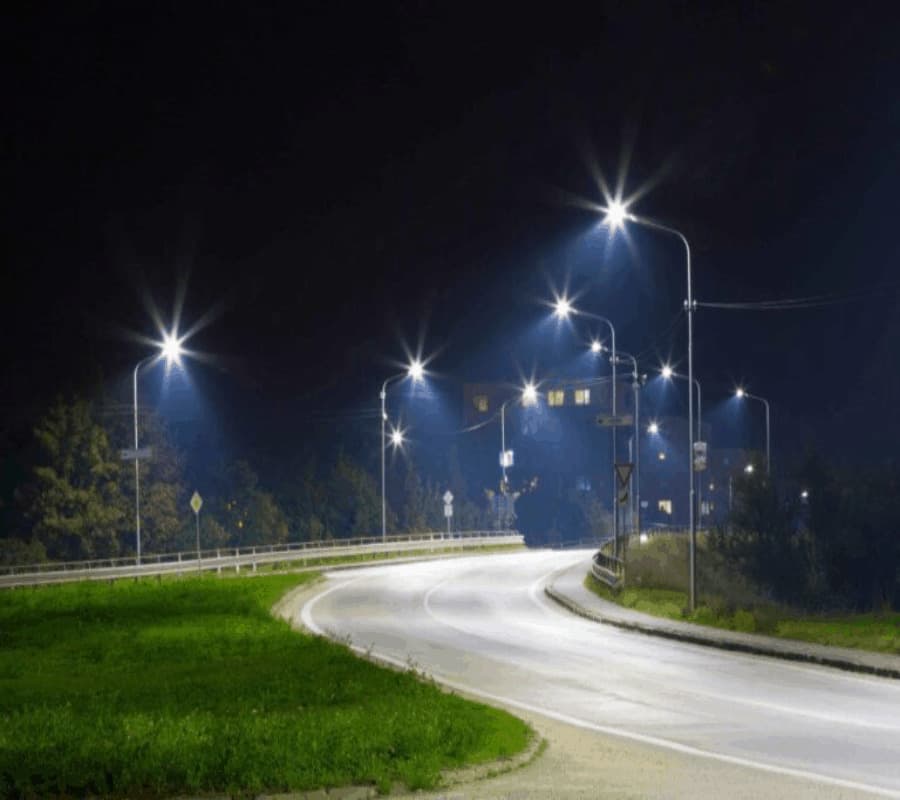
From the pavement, a streetlight that hasn’t been checked in five years looks exactly like one that was checked last week. Up top, though, heat, rain, road dust and thousands of on-off cycles have been quietly working on the control parts the whole time.
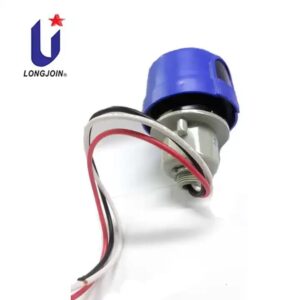
The photocell matters more than most. It’s a little cap on top of the fixture, but when the lamp lights up depends entirely on it.
Maybe the sensing window has gone grubby. Maybe the relay is tired, or a seal has split, or the switching level has crept. Any one can have the lamp running at the wrong hours. Long-Join builds its outdoor photocontrols for rough conditions, but tough kit still does better with a look now and then. Once a year suits plenty of sites. A salty seafront or a dusty industrial road might want more, and the maintenance plan has the final say.
Five Years Without a Look
Lamp staying on too long? Going off early? Not reacting the way it used to?
Wear just carries on unnoticed. Dirt builds up on the light sensor, parts age, a sign goes up next door, a tree puts on another metre. Long-Join points out that trees, signs, dirt and a changing site can all shift how a unit reads ambient light over time, and covers it in Long-Join’s guide to photocell calibration.
Risk | What You Notice | Where It Leads |
Parts aging | Slower reaction to light | Lamp switches at the wrong time |
Relay wear | Lamp stuck on or stuck off | Automatic control lost |
Seal damage | Moisture or dust inside | Internal parts can fail |
Switching-level drift | On/off timing shifts | Wasted light or dark spells |
Missed maintenance | Small faults stay hidden | Bigger failures turn up later |
The relay deserves a closer look than it usually gets. Long-Join states that the long-life relay in its JL-207 series can go past 10,000 working cycles. See the Long-Join JL-207C photocontrol for the details.
The Cost of a Lamp That Switches at the Wrong Time
One lamp burning in daylight doesn’t sound like much. Now picture the same fault on forty poles down a ring road.
A photocell switch that comes on early or goes off late adds hours nobody asked for. That’s power on the bill, plus the LED driver and the lamp running when they could be resting. The opposite fault is worse in a different way. The lamp cuts out early and someone walking home at eleven hits a stretch of dark pavement.
Faults feed each other, too. A lamp that switches when it shouldn’t is wearing itself out. Water that’s got in doesn’t leave. Put the repair off and one visit soon becomes three.
Bad timing makes the job harder to diagnose, too. A clean failure is easy. A lamp that’s fine on Tuesday and wrong on Thursday is not. Regular checks find the cause before it turns into that kind of puzzle.
Weather Does the Slow Damage
Think about what that little unit sits through. Heavy rain, sticky humid nights, grit flicked up by every passing lorry, midday sun, then a cold snap. None of it does much in a week. Over five years it adds up on the housing, the seals and whatever’s inside.
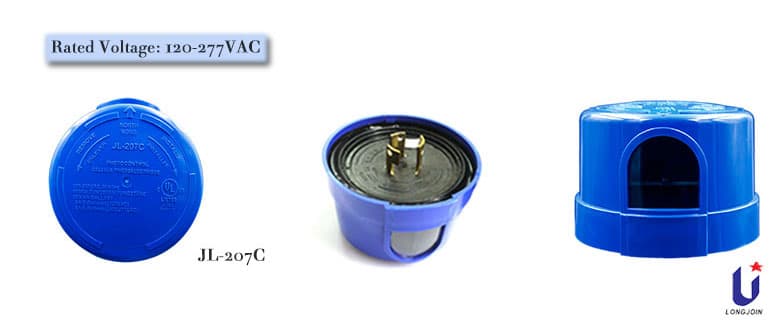
So the cover and gasket deserve a look even while the unit is still working. Long-Join lists JL-207C versions with IP54, IP65 and IP67 protection, and rates the family for operation from -40°C to +70°C. Read Long-Join’s outdoor weather-resistance guide for more on how that protection is built.
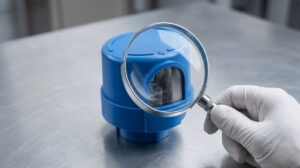
A quick glance is often enough to catch cracked plastic, a loose mount, water marks, green corrosion or a film of dirt round the sensing window before it gets worse.
When the Switching Point Drifts
Does a photocell sensor switch at exactly the same light level its whole life? Not necessarily. It can keep working while what it actually does becomes a poor fit for the street.
Long-Join lists the JL-207C at 16 lux on and 24 lux off. The site has a say as well, though. A tree growing over it, a new illuminated sign, a neighbour’s floodlight, grime on the cover or a fixture that’s been knocked to one side can all change what the sensor sees.
What you want from an inspection is plain enough. The lamp should come on when the street is genuinely getting dark and go off once there’s real daylight.
What Goes on the Annual Checklist?
Nobody needs to strip the unit down. A short list the crew can run through the same way every time tends to work best.
Check | Look For | Why |
Sensing surface | Dirt, shade, paint, anything blocking it | Keeps readings accurate |
Housing and seal | Cracks, looseness, water marks | Keeps moisture and dust out |
Switching | Right response at dusk and dawn | Catches timing or relay trouble |
Electrical connection | Heat marks, looseness, corrosion | Cuts connection faults |
Site changes | New trees, signs or lamps nearby | Finds outside causes |
Smart system data | Fault alarms, odd readings | Spots problems sooner |
Standard units usually get tested at the fixture. Connected Long-Join models can also send status back, which helps a crew work out which pole to drive to before they leave the depot.
How Long-Join Builds Against Early Failure
Good design won’t get rid of maintenance. It can make early failure from poor sealing, switching stress or weak protection a lot less likely.
The JL-207 family comes with several IP protection options and long-life relay versions. Some versions use zero-crossing control to cut switching stress, and Long-Join offers different MOV surge-protection options to shield the internal parts from sudden voltage spikes. See how Long-Join photocontrol components work for the breakdown.

Does Remote Monitoring Mean Fewer Pole Visits?
Fewer wasted ones, anyway. Remote monitoring takes a lot of the guesswork out. It can’t see a cracked cover, a dirty window, a loose bracket or a perished seal, though.
Long-Join’s JL-245CN runs on NB-IoT with 0-10V/PWM dimming, and the JL-245CZ and JL-246CG handle connected control and data communication. With those in place, a team can check operating status from the office and head first for the poles that are behaving oddly. Explore the JL-245CN wireless controller for the specifications.
FAQs
The window, usually. It gets dirty long before anything else wears out. Leave it longer and you start seeing tired seals, damp inside, worn relays and lamps keeping strange hours.
Yes, a small one per lamp. A light that burns an extra hour every morning doesn't look like much until you multiply it across a whole estate.
Depends on the model. Most of the protection comes from the IP rating, a tough housing, surge protection and a relay built for long life.
No. It shows how the lamp is operating. Someone still has to look at the physical state of the control and fixture.
Start with the sensing window and whether it switches at the right times. Then the seal, how it's mounted, and the electrical connection.
Conclusion
Some teams leave a photocell alone until it dies. By then it may have burned for months in daylight. It may have gone dark over a junction on a wet night. Or water finished it off.
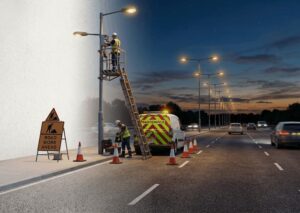
A yearly visit usually gets there first. Someone spots the grubby window. Or the seal that’s starting to lift. Or the tree that wasn’t there last spring. Long-Join’s sealing and long-life parts buy some slack, and the connected models keep reporting in between visits. After that, it mostly comes down to someone actually going up the ladder.
External Links:
●https://www.nsiindustries.com/product-category/supplies/switches-and-controls/photocontrols/electronic-photocontrols/
●https://getclaro.ai/resources/glossary/ip-rating-explained/
●https://electrical.com.ng/index.php?route=product/product&product_id=688
●https://electronics.stackexchange.com/questions/640162/how-do-movs-work-for-surge-protection
 English
 Russian
 Spanish
 Portuguese
 Arabic
 Japanese
 Italian