
Are Long-Join Photocells Compatible With 0–10V Dimming?
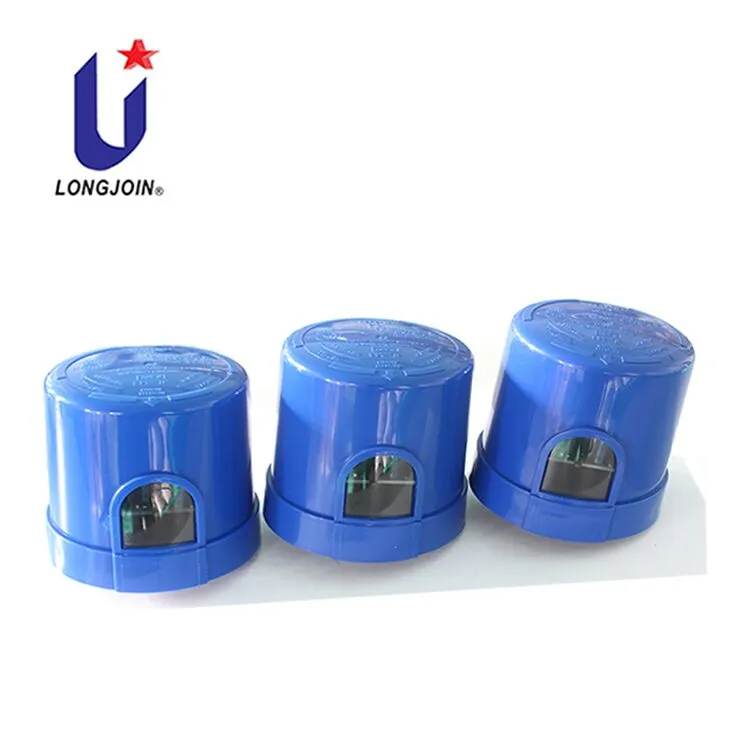
driver are matched correctly.
JL-241C for simple dimming needs. JL-242C and JL-243C for more advanced nighttime control.
Treat all three parts as one system, not separate purchases. Match the wiring, match the control signals, and the fixture gives reliable automatic lighting while cutting unnecessary nighttime output.
Get the matching wrong, and none of it works right.
What Information Is Needed for a Smart Node Quotation?

A smart node quotation is only as accurate as the information provided. Product model or interface type, functional requirements, compatible interface specification, custom requirements, and application environment are the five categories that determine configuration and pricing. Missing any of them adds a round of questions and delays the quotation.
Comparison Between ENEC and CE: What Are the Differences?
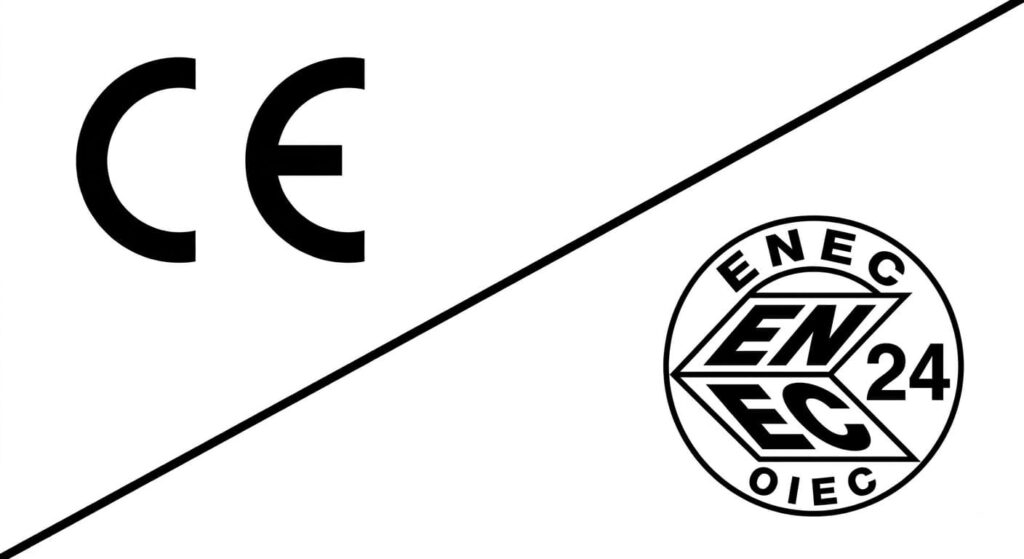
CE is the legal baseline for selling in Europe. ENEC is the quality standard for being taken seriously in European professional lighting procurement.
Choosing ENEC-certified photocell products means the testing rigour, factory audit trail, and ongoing surveillance are all behind the mark, not just a manufacturer’s self-declaration.
8 Factors Favoring All-Weather Constant-On Lighting Solutions over Motion-Activated Lighting
Constant-on photo control is not a failure to optimise; rather, it is the right optimization for applications where continuous nighttime lighting is the primary requirement.
They remain essential in scenarios such as roadway safety, high-mast sensitivity limitations, harsh weather reliability, regulatory compliance, smart city consistency, simplified maintenance, composite sensor replacement, and harsh environment durability.
Are Composite Sensors Suitable for High Mast Lights?
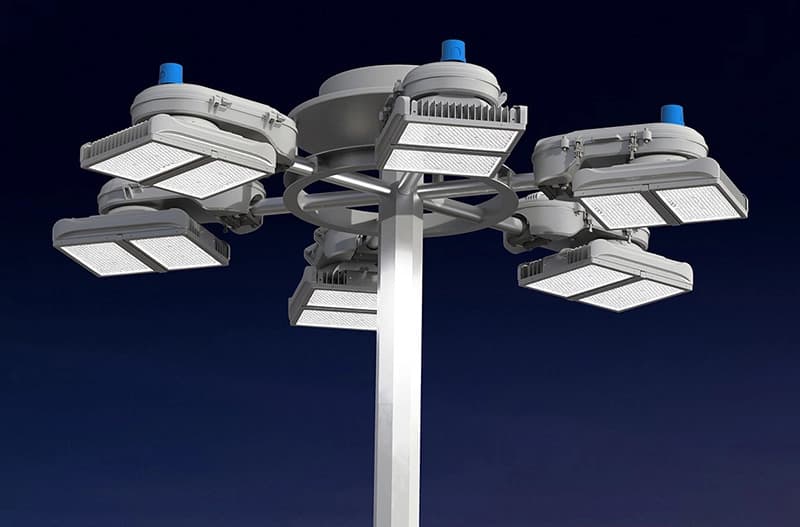
Composite sensors sounded good when someone designed them for high mast lighting. They do not work.
The PIR motion sensor does not function reliably at 8 to 12 meters. The Lux sensor reads too much environmental noise. The algorithm cycles the light on and off trying to process all that conflicting data. The LED driver wears out faster. The system creates safety hazards instead of solving them.
10 Key Factors Affecting Composite Sensors
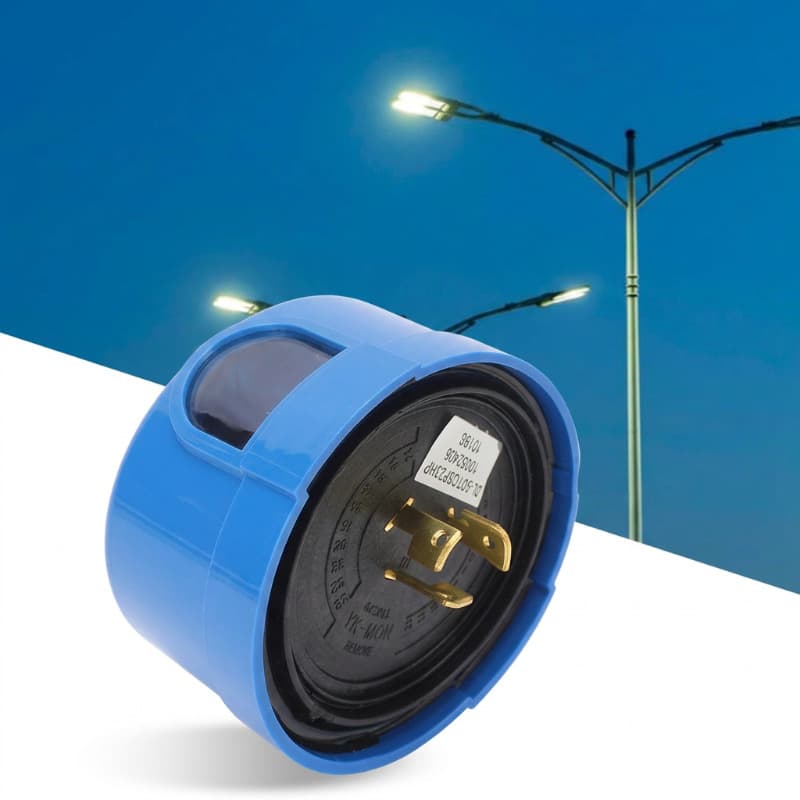
Composite sensors looked like a step forward. More sensors, more intelligence, more control.
In actual outdoor lighting, they became a step backward. Temperature, humidity, wind, condensation — the real environment — exposed every weakness in the design. Every added sensor added a failure point. Every algorithm layer added complexity that could not be tuned to work across all climate zones and seasons.
Is Photo Control More Suitable for Road Lighting than Motion Sensors?
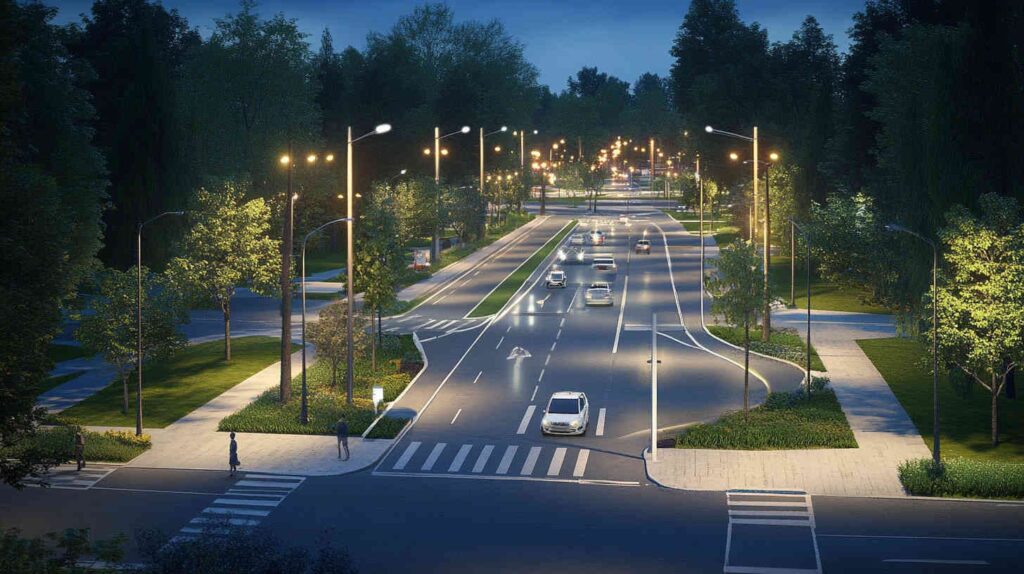
Photo control is the right choice for road lighting.
Motion sensors have a place in specific low-traffic rural areas. However, they are not the solution for cities or highways.
The JL-207C and other Long-Join photo controls are built for the actual demands of road lighting. Simple, proven, and effective.
Why Is Adjustable Lux More Prone to Misoperation Compared to Fixed Lux?
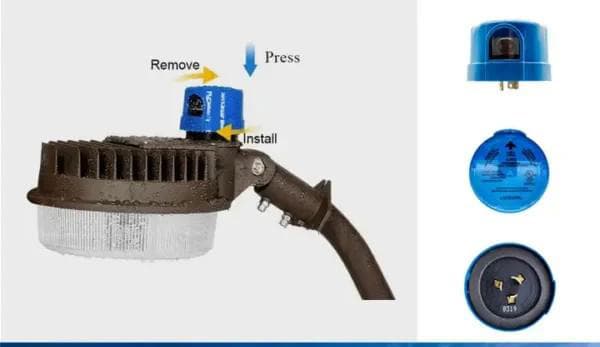
Adjustable lux offers flexibility that sounds useful until someone actually uses it.
In the field, it becomes the source of most problems. A user adjusts based on one moment’s conditions and breaks performance in another moment. A technician tries to solve a seasonal issue and creates a different seasonal issue. Without deep understanding of lux values and outdoor light physics, every adjustment is a gamble.
Should Photocells Be Installed On The Top Or Side Of The Luminaire?
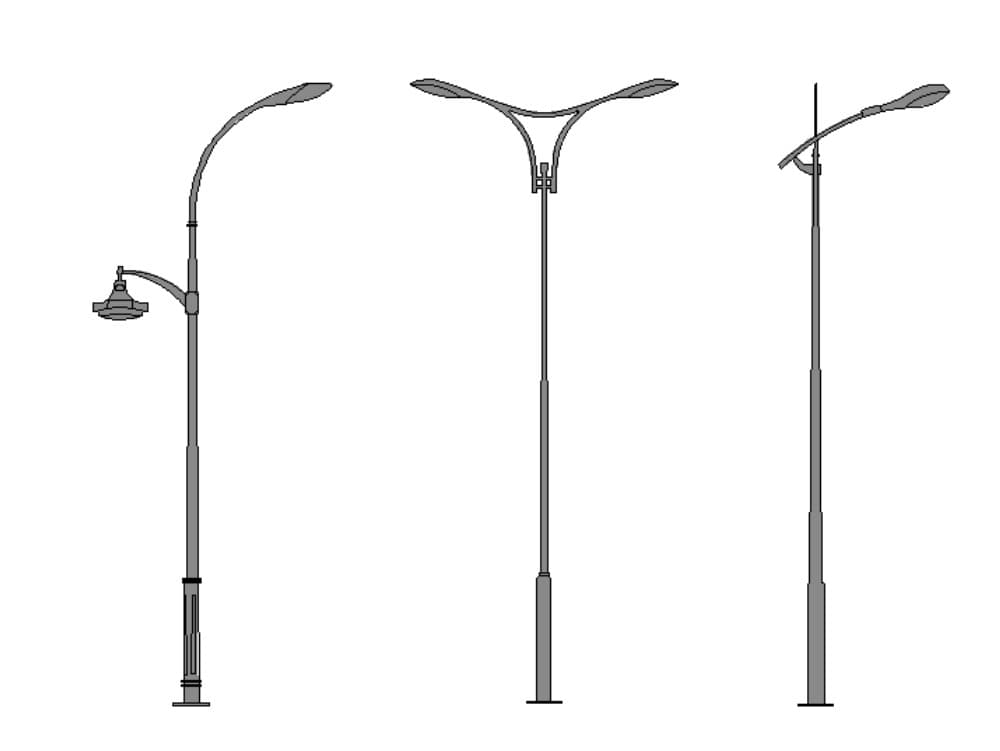
Top mounting and side mounting both work, but only if you match the position to the fixture and the site. Side mounting keeps the lamp light away from the sensor, but it can end up shaded and water-logged.
Button photocells work for simple lamps where the sensor can be embedded and still see daylight. Twist lock types work for street lights because they are easy to swap. Stem and swivel head types work when the geometry is complicated and you need to dial in the angle.
Should Twist-Lock Photocells Have A North Arrow?
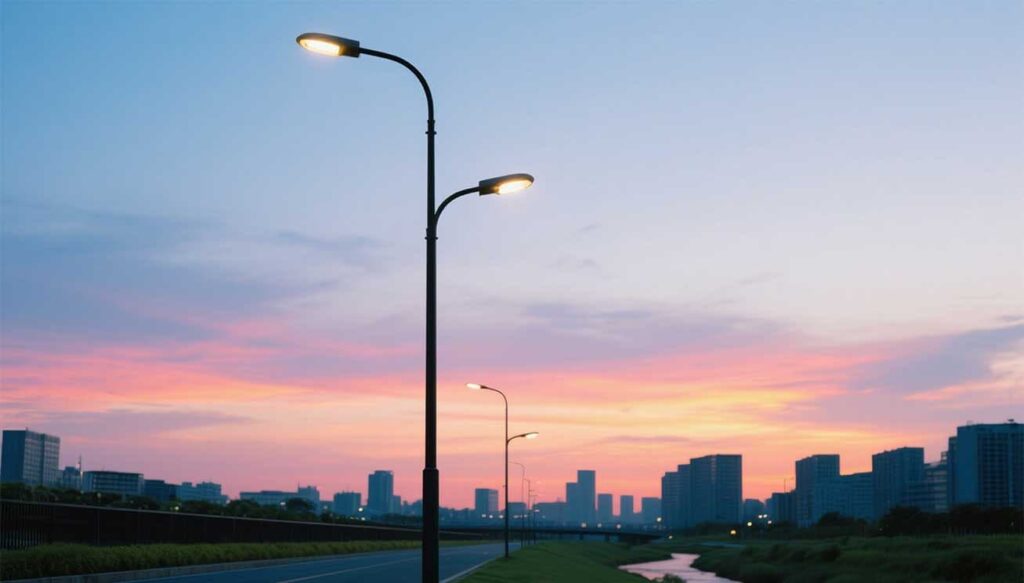
Should twist-lock photocells have a north arrow? For any serious outdoor lighting project, yes.
The arrow solves a real installation problem. It points the sensor in a steady direction, reduces false switching, and helps outdoor lights work from dusk until dawn. It helps beginners and supports LED fixtures. It also matters in winter. In high-latitude areas, or places with shade and glare, it becomes essential.
 Italian
  English
  Russian
  Spanish
  Portuguese
  Arabic
  Japanese