
Why Do Some Old Photocells Frequently Fail In The LED Era?
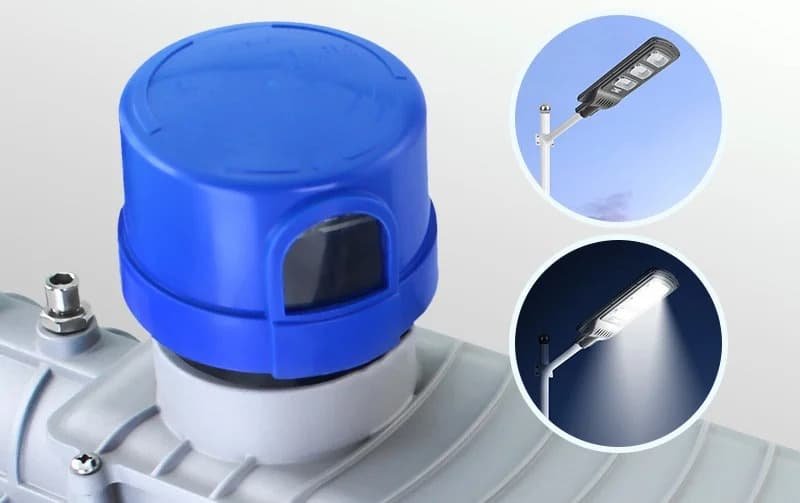
So why do old photocells keep failing after an LED upgrade? Mostly because nobody changed them. The lamp moved on and the control didn’t.
The fix isn’t complicated. Match the new photocell to the driver, the voltage, the heat, the surge risk and where it’s mounted. Long-Join’s newer controls bring options like zero-cross switching, surge protection, filtered sensing and LED-focused load ratings to help with that.
Why Do Many Smart Streetlight Projects Ultimately Add Photocells?
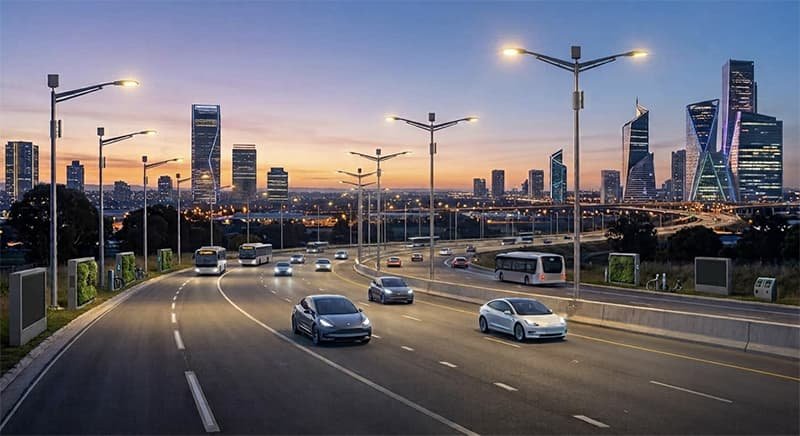
Smart streetlight systems are impressive. They are also dependent on infrastructure that fails. The photocell’s role in these projects is to sit underneath both layers and ensure that when they fail, the road is still lit.
That function has no smart system equivalent, which is why experienced project teams keep specifying photocells regardless of how advanced the control platform above them becomes.
Core Components Of Long-Join Photo Control Sensor With Twist-Lock: MOV, Relay, And Step-Down Capacitor
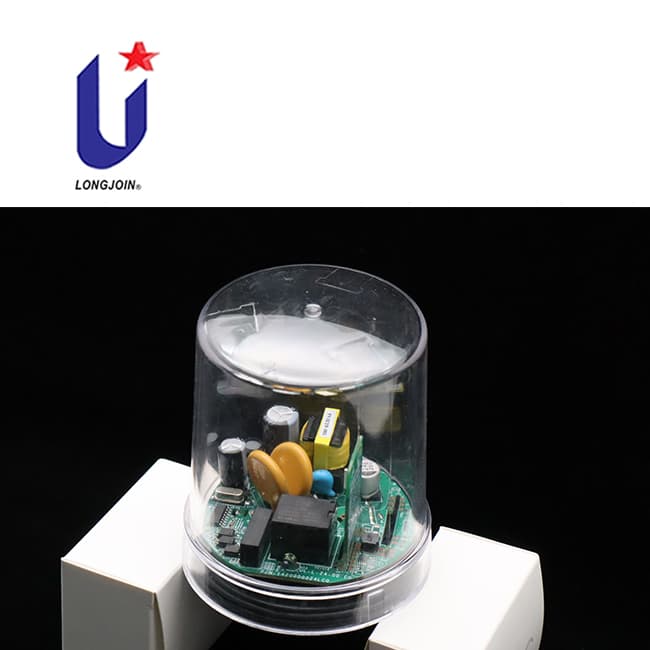
A dependable photocell is more than a light-sensitive part under plastic.
Relay switches the lamp. MOV helps control damaging surges. Capacitor provides suitable, stable power for the control section. Together they let a Long-Join twist-lock photocell respond to day and night while holding up outdoors.
Brief False Triggering of Photocells Under Boundary Light Conditions
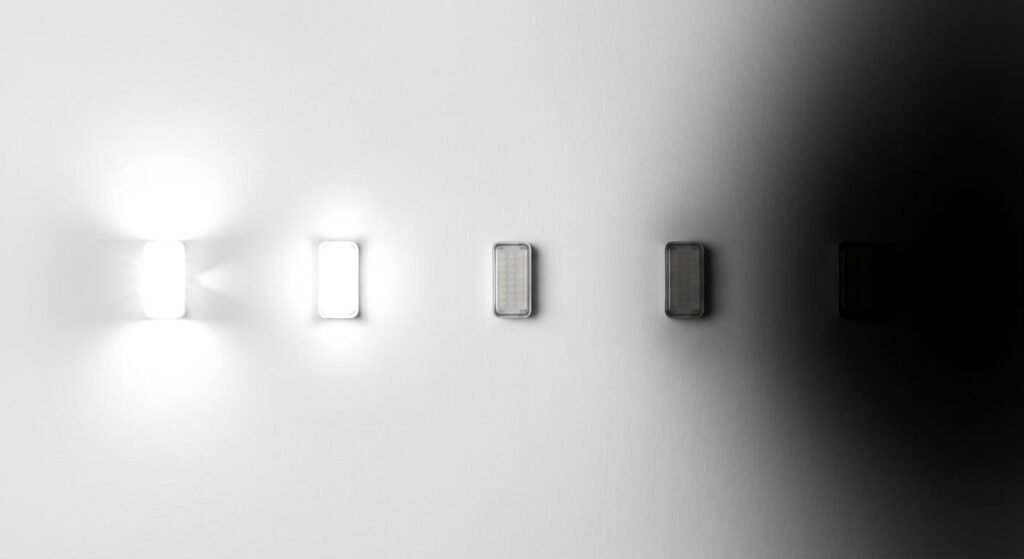
Boundary light false triggering is a predictable consequence of installing photocells in environments where ambient lux regularly approaches the switching threshold.
Long-Join’s IR-CUT filter, high-precision sensing design, and adjustable lux threshold settings address this at the product level. Installation-stage threshold optimisation addresses it at the site level. Together they minimise the brief false triggering events that cause lamp flickering and premature relay wear in boundary light environments.
Are Long-Join Photocells Compatible with DALI Dimming?
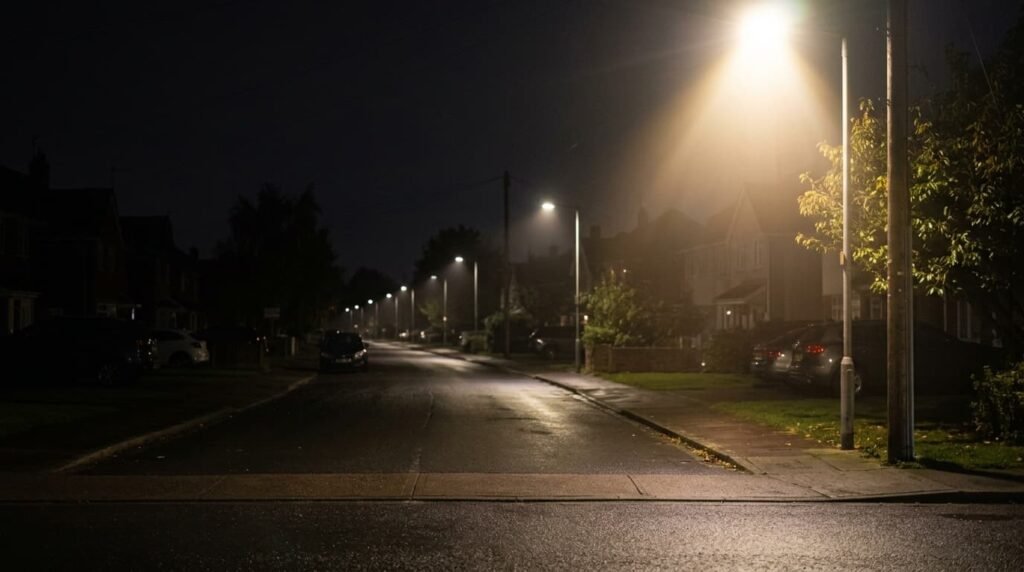
Long-Join’s JL-251C, JL-252C, and JL-253C DALI dimming photocell controllers provide full DALI compatibility through the JL-240XA-14 socket’s dedicated signal lines.
The three models cover progressive capability levels from basic continuous dimming through intelligent midnight dimming to lumen compensation, allowing project specifications to match the right capability level to the specific application.
DALI compatibility requires both the correct photocell model and the JL-240XA-14 compatible socket. A standard 3-pin NEMA receptacle cannot carry the signal lines that DALI communication requires.
Are Long-Join Twist-Lock Photocells Compatible with Vibration Environments of High Mast Lights?
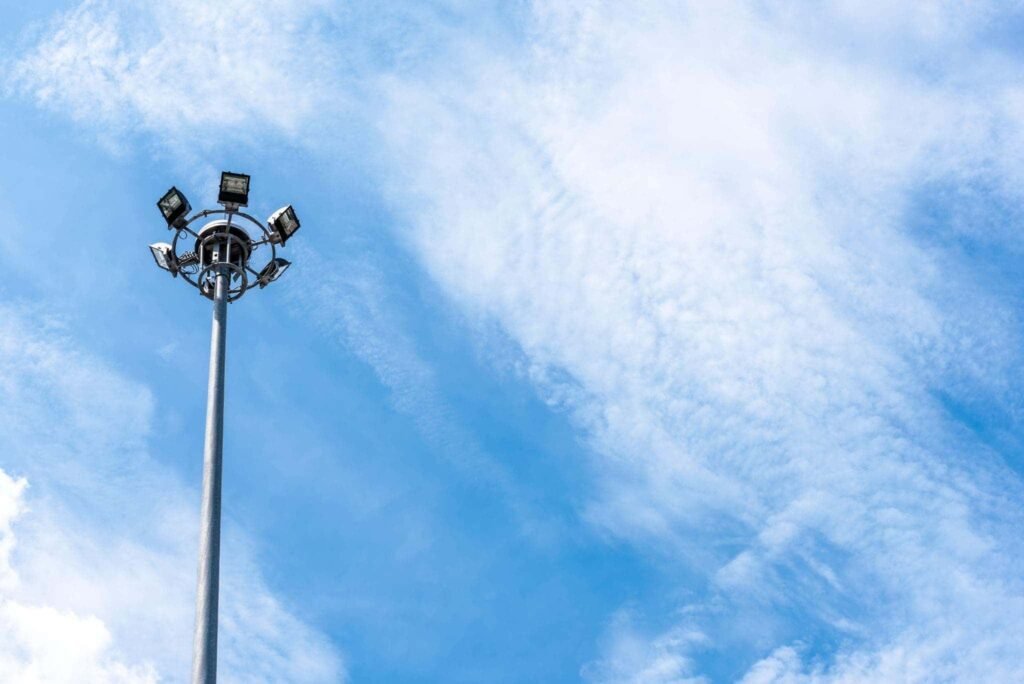
High mast light vibration environments expose photocells to mechanical stress levels that standard products are not designed to sustain, with eight specific failure mechanisms that each require targeted design responses.
Long-Join addresses all eight through GF+PBT base material with UV stabiliser, industrial-grade relay selection, wave soldering reinforcement, pressure-tight EPDM sealing, integrated window positioning, and RC plus TVS plus MOV EMC protection.
Lower-end products that address only some of these factors will show predictable failure patterns in high mast vibration environments.
Are Long-Join Photocells Compatible with High-Power HID Lamps?
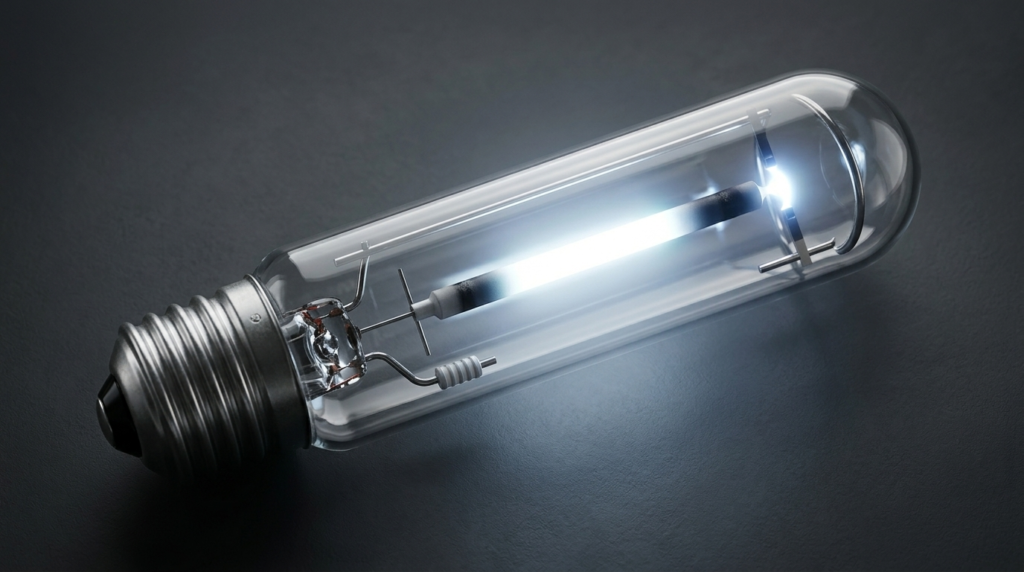
Long-Join’s photocell range covers the main HID lamp types used in commercial and industrial outdoor lighting. This includes Metal Halide applications, High-Pressure Sodium street lighting, and Aquaculture HID lighting. Selecting the right model requires confirming the ballast VA rating, mounting interface, and environmental protection level against the specific fixture and installation conditions.
Are Long-Join Photocells Compatible With 0–10V Dimming?
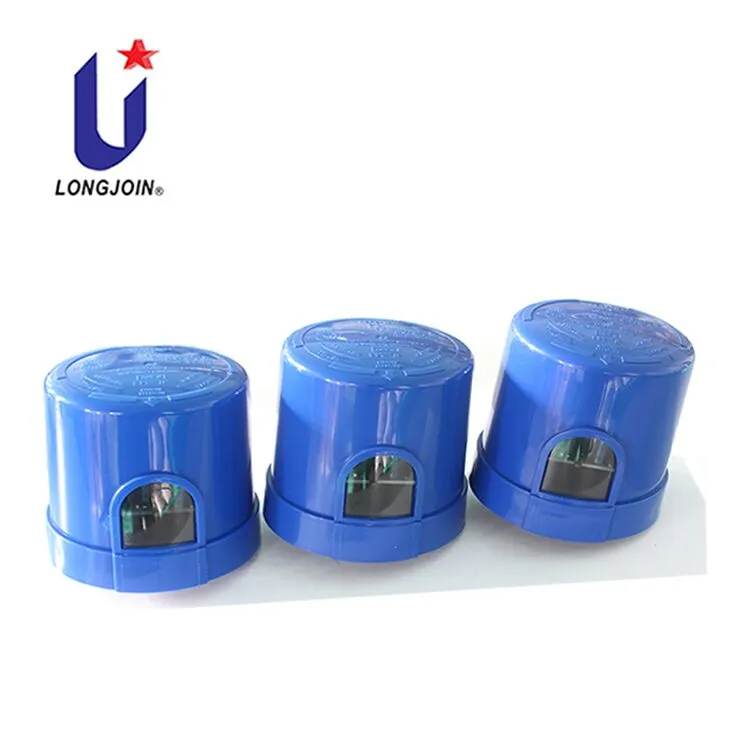
driver are matched correctly.
JL-241C for simple dimming needs. JL-242C and JL-243C for more advanced nighttime control.
Treat all three parts as one system, not separate purchases. Match the wiring, match the control signals, and the fixture gives reliable automatic lighting while cutting unnecessary nighttime output.
Get the matching wrong, and none of it works right.
What Information Is Needed for a Smart Node Quotation?

A smart node quotation is only as accurate as the information provided. Product model or interface type, functional requirements, compatible interface specification, custom requirements, and application environment are the five categories that determine configuration and pricing. Missing any of them adds a round of questions and delays the quotation.
Comparison Between ENEC and CE: What Are the Differences?
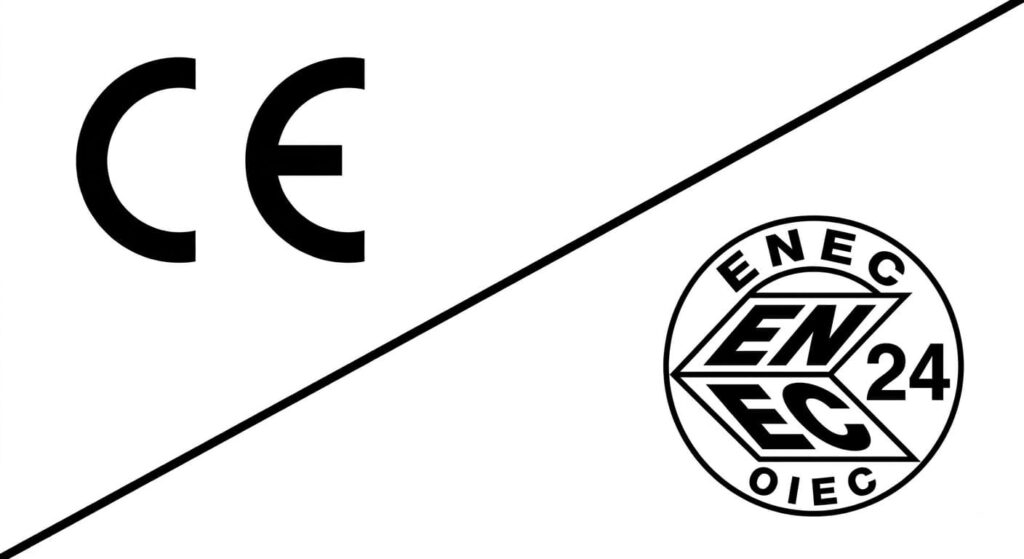
CE is the legal baseline for selling in Europe. ENEC is the quality standard for being taken seriously in European professional lighting procurement.
Choosing ENEC-certified photocell products means the testing rigour, factory audit trail, and ongoing surveillance are all behind the mark, not just a manufacturer’s self-declaration.
 Russian
  English
  Spanish
  Portuguese
  Arabic
  Japanese
  Italian