
What Are the Most Easily Overlooked Maintenance Mistakes for Photocells?
Introduce
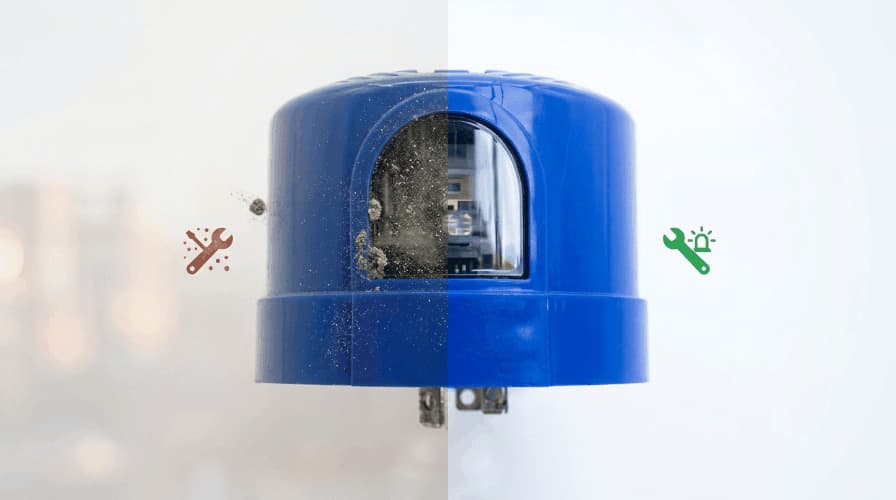
Photocells are easy to forget. They sit on top of the fixture, switch twice a day, and nobody thinks about them until a light stays on all afternoon. That’s exactly why the maintenance mistakes around them are so easy to make.
Most of these mistakes are small. A cleaning that never happens, a test nobody runs, a unit mounted where it can’t see the sky properly. None of it looks serious on the day, but add it up over a few years and you get a shorter service life and a lot of false switching that people blame on the product.
This article uses Long-Join photocells as an example. It covers the mistakes that get missed most often and what to do about each one.
What Maintenance Mistakes Get Overlooked the Most?
There are five mistakes that are considered more common and easily preventable when noticed:
Maintenance Mistake | Explanation and Potential Impact |
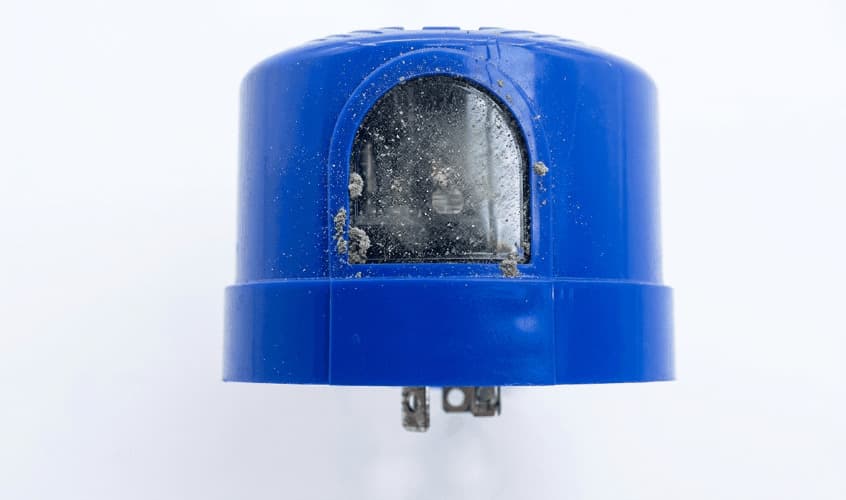
Ignoring Cleaning of Photosensitive Window | Dust or stains cover the window, causing inaccurate light sensing thresholds and system misoperations |
Neglecting Regular Calibration and Testing | Lack of sensitivity and function checks may cause delayed or premature on/off switching, reducing efficiency |
Poor Photocell Installation Environment | Strong direct sunlight or obstructions interfere with accurate sensing, leading to misoperations or delayed response |
Overlooking Protective Housing and Sealing | Seal failure causes moisture or dust ingress, leading to short circuits or damage, shortening device life |
Underestimating Preventive Maintenance and Component Replacement | Not renewing aging relays or photo sensors timely increases the risk of failure |
None of these is dramatic on its own. The trouble is that they stack up.
The table is in a good order: start with the window; once that is cleaned properly, move on to testing for response to ambient light, and always consider installation position while doing so.
Seals are the one nobody looks at. Rubber rings dry out and harden after a few years in the sun, and once the seal is gone, moisture follows. Water on the circuit board means short circuits, corrosion and a dead unit.
The last mistake is waiting for failure. Relays and sensing parts wear out on a schedule, and swapping them before they quit is cheaper than sending a crew to a dark road. Most teams know this and still don’t do it.
What Does Long-Join Recommend for Photocell Maintenance?
The recommendations are simple enough to fit into a normal maintenance round, and none of them need special tools.
Maintenance Measure | Recommended Practice |
Regular Cleaning of Photosensitive Elements and Window | Suggested every 6 months with a clean, soft cloth |
Annual Functional Testing | Check sensor sensitivity and relay response; calibrate timely for accuracy |
Optimize Installation Environment | Avoid direct sunlight exposure or physical obstruction; ensure good ventilation |
Inspect Protective Housing and Seal Rating | Confirm intact seals and enclosure for regulatory-compliant waterproof/dustproof protection |
Prepare Spare Parts and Perform Timely Replacement | Keep backup photocell elements and replace aged components before failure |
Some few added pointers include:
- Cleaning should be done with a soft cloth and plain water
- For an annual functional test, performing the cover test helps really well. To do this, you should cover the window and check that the lamp comes on in due time, then uncover it and check that it goes off. A slow response points to a likely fault with the unit.
- The location of the installation is very important. Always ensure that the fixture is exposed to the open sky and good ventilation to keep away reflected light and heat respectively.
- For seals, look at the rings and the housing joint on every visit. Hard, cracked or flattened rings mean the waterproof rating isn’t really there anymore, even if the label still says IP65.
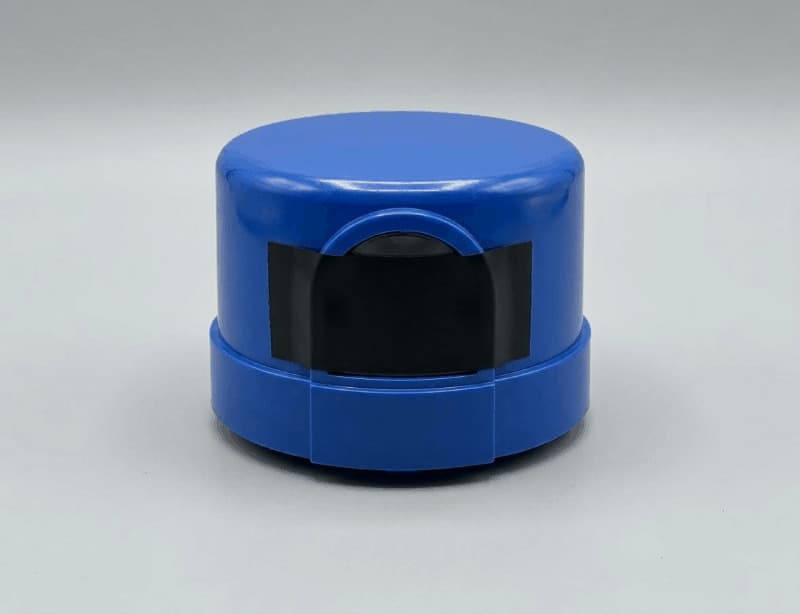
Spare units make replacement painless. Long-Join’s twist-lock models swap in under a minute without tools, so keeping a few on the truck means a fault gets fixed on the first visit.
A full check on one pole takes a couple of minutes when the crew knows what to look at. Compare that with a callout for a light that has been burning for three days.
Frequently Asked Questions on Photocell Maintenance Mistakes
When the photocell’s window is dirty, the dust shades it, thus making light appear darker than it is. This could lead to lights switching on earlier than it should and could be avoided by cleaning with a soft cloth every 6 months.
The cover test helps to estimate photocell units with accurate switching times. If the test fails, plan for a calibration check or a replacement based on further findings.
These includes installations that expose the photocell window to flood lights, reflective surfaces, obstructions or shades, or poor ventilation.
Several Long-Join models have waterproof and dustproof housings, industrial-grade relays that slow wear, and standard twist-lock interfaces that allow quick swaps.
By ensuring intermittent cleaning, testing the switching function annually, inspecting seals, relays, and sensors in case replacements are required.
Conclusion
Most photocell problems come from small maintenance habits, not from bad products. By avoiding basic mistakes such as dirty windows, lack of testing, poor mounting positions, and aging parts, you can improve efficiency.
Long-Join photocells are built to make the fixes easy, with sealed housings, durable relays and quick-swap twist-lock interfaces. A couple of minutes per pole, done on schedule, goes a long way.
External Links
●https://en.wikipedia.org/wiki/Preventive_maintenance

 English
 Russian
 Spanish
 Portuguese
 Arabic
 Japanese
 Italian