
Call Us Now!

+8615900829072

The base material matters more than it looks like it should. Outdoor lighting is not gentle. Photocells get hot. Get rained on. Get blasted by sunlight. A weak base fails. A strong GF base lasts. It's the difference between a photocell that needs replacement in five years and one that works for fifteen.
photocell base formulation features

Why Must Photocells Use GF Bases?

Introduce

Look at a photocell base. Most people don’t. They look at the sensor. Or the cover. The wiring maybe.


The base? Nobody thinks about the base.


That’s the problem.


The base is holding the whole thing on top of your lamp. When that base gets soft, cracked, loose, or aged out by the sun — the photocell fails. Even if everything else inside is still working fine.


Outdoor photocells work forever, basically. Years and years on a lamp pole. Heat from the fixture. Rain. Dust. Salt air sometimes. Direct sun beating on it. If the base can’t handle that, you’re replacing photocells constantly.


That’s why Long-Join uses strong bases. Street lighting projects don’t have time for constant replacements.

What Even Is A GF Base?

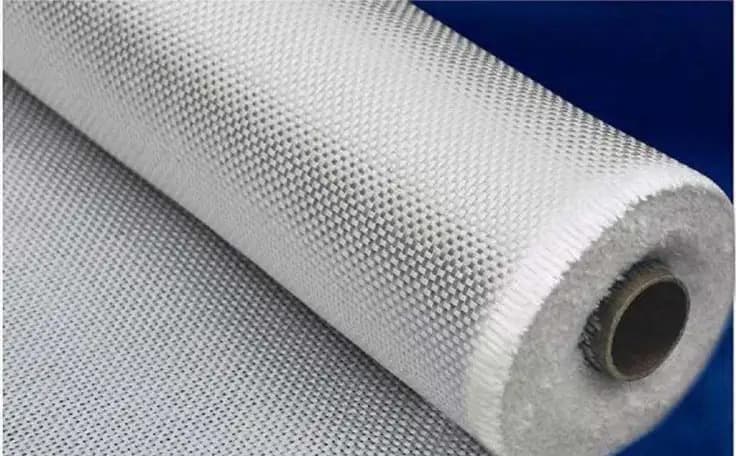
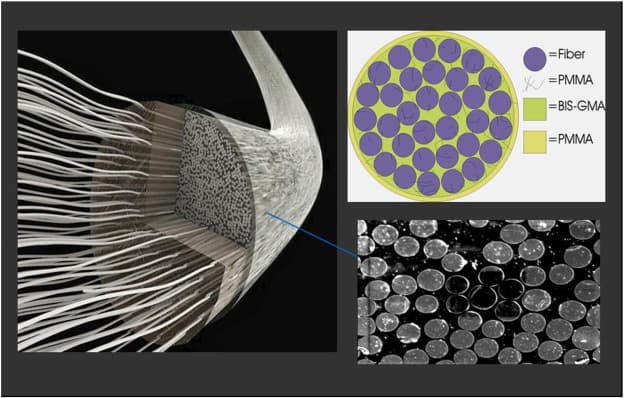
GF stands for glass fiber reinforced.


Plastic with tiny glass fibers mixed in. Makes it tougher. Harder to bend. Better at handling heat. That’s the simple version.


Normal plastic? Fine at first. After a few years of heat from the lamp and sunlight? It gets weak. Turns yellow. Cracks.


 Loses its shape. Controls don’t work right anymore.

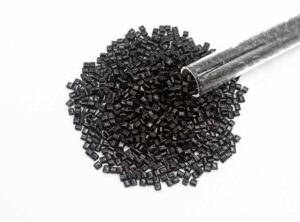
glass fiber material

GF base? Stays firm. Doesn’t bend as much. Handles the outdoor abuse better.


Street light on top of a pole gets HOT. Could be 70–90 degrees Celsius easily. That’s not some edge case. That’s normal operation.


When plastic gets soft in that heat, the photocell doesn’t sit tight anymore. Sealing ring loses pressure. Water creeps in. Dust gets inside. Whole thing falls apart.


GF base keeps its shape. Stays sealed. Works longer.

So Wait — Why Does Heat Even Matter?

Touch the top of an outdoor lamp after it’s been running for hours.


Burns your hand basically.


LED fixtures, traditional fixtures, all of it gets hot up there. The temperature is real.


A weak plastic base starts to deform. Photocell mounting gets loose. Seal breaks. Water’s in now.


False switching happens. Or the thing just stops working. You’re calling service. Again.


GF material doesn’t soften as easily. Base stays firm. That’s it. That’s the whole point.

What Happens

Weak Plastic

GF Base

High heat from lamp

Gets soft, bends

Keeps its shape

Sealing pressure

Decreases as base deforms

Stays tight

Water gets in

Yes, because seal failed

Stays sealed longer

Long-term outdoor use

Fails in 5–7 years

Works 10–15 years

Five to fifteen years. That’s the actual difference.

UV. The Thing Nobody Wants To Talk About

Sunlight destroys weak plastic.


Photocell sits on top of the fixture. Right where the sun hits it. Every single day for years.


UV rays break down plastic. Turns it yellow. Makes it brittle. It cracks. When it cracks, it fails.


Long-Join uses GF+PBT material. Add UV stabilizer to that. Then add heat stabilizer, antioxidants. All of it works together to slow down what sunlight does.


Without UV protection? Five years maybe. Photocell looks fine until suddenly it doesn’t. Then it shatters in someone’s hands during maint enance.


With UV protection? The thing just lasts. Stays strong. Doesn’t get brittle.


Pretty straightforward.

205c photocell socket

Different Plastics — Which One Works?

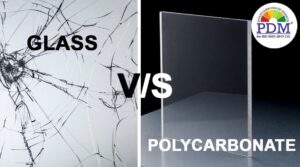
PC works for some things. Not outdoor long-term.


PC gets soft in heat. Doesn’t age well in UV. Simple as that. Works fine inside where it’s cool. Outside for ten years? No.


PA66 is stronger. But it absorbs moisture from the air. Swells up. Changes size. For a part where the mounting has to be precise, moisture absorption is a nightmare. You install it one way, six months later it’s different size. Nothing fits right anymore.


PBT is more stable. Handles outdoor stuff better. Still needs help though.


GF+PBT? That’s the stronger version. Glass fiber adds mechanical strength. PBT gives stability. UV stabilizer protects against sunlight. Heat stabilizer keeps it firm in hot conditions.

Material

Heat

UV Aging

Moisture

Long-Term Outdoor

PC

No

No

No

No

PA66

Better

Needs help

Absorbs water

Maybe

PBT

Good

Needs help

Stable

Good

GF+PBT

Excellent

With stabilizers

Very stable

Yes

You can see where the pattern goes.

photocell base formulation features

Why Installers Actually Care

Photocell gets twisted in. Locked into the receptacle. Over its life it gets touched multiple times. Maintenance, adjustments, replacement.


If the base is brittle, it cracks during installation or maintenance. If it’s weak, it loosens over time. Now you’ve got an unstable connection. Bad switching. Water inside the housing.


GF base? Stronger. Survives handling. Stays tight on the fixture.


For someone installing hundreds of these across a city? The base material literally affects their workload. Weak bases mean damaged units. Damaged units mean replacements or rework.


Long-Join’s twist-lock receptacles and bases get used in real projects. They have to hold up to actual installation conditions.

Heat, Moisture, Salt, Sun Effect

Coastal roads get salt spray.


That destroys some materials faster. GF+PBT handles salt spray better than PC or weak PA66.


Desert heat? GF base doesn’t soften as much.


Humid places? The sealing holds better because the base doesn’t deform under moisture stress.


It’s not that GF is magic. It’s that it actually resists the things that kill other plastics.


Customers in tough environments need to know their photocell base isn’t going to quit in five years.

What's The Actual Benefit For Buyers?

Longer service life.


That’s it. You install the photocell. It works for ten years instead of five. Fewer replacements. Fewer trucks rolling out to fix stuff. Fewer complaints.


For a city running hundreds of street lights, the base material choice means the difference between stable operations and constant maintenance headaches.


Long-Join’s materials choice shows they think about this. GF+PBT with UV stabilizer exists because someone at the company said “Let’s make something that actually lasts outdoors.”

How Do You Even Know What You're Getting?

Ask the manufacturer.


“What’s the base made of?” If they say PC or generic plastic, don’t buy it. If they say GF+PBT with UV stabilizer, then they’ve thought about it.


Check certifications. UL773, temperature ratings, IP rating for sealing.


For a street light photocell, look for products designed specifically for outdoor long-term use. Not generic indoor photocells. Something that was built for roads and parking lots and years of weather.


Long-Join’s product pages mention GF+PBT, UV stabilizer, heat ratings. That’s what you want to see.

Conclusion

The base material matters more than it looks like it should.


Outdoor lighting is not gentle. Photocells get hot. Get rained on. Get blasted by sunlight. A weak base fails. A strong GF base lasts.


It’s the difference between a photocell that needs replacement in five years and one that works for fifteen.

External Links:

●https://www.sciencedirect.com/topics/materials-science/glass-fiber-reinforced-plastics
●https://en.wikipedia.org/wiki/Ultraviolet
●https://www.ensingerplastics.com/en/shapes/tecadur-pbt-gf30-natural
●https://www.sciencedirect.com/topics/chemistry/ultraviolet-stabilizing-agent
●https://en.wikipedia.org/wiki/Polycarbonate

Perfect for Local Users Recommendation Guide

Shanghai LONG-JOIN Brand Manufacturer, Since 20 years Professional in NEMA Series connector and Zhaga Series Connector service for meet a vast range of oversea brand luminaire and electrical purchaser diversity needs.

Our Product

About Us

Resoureces

Services

Copyright © 2024 Long-join. All rights reserved.

en_USEnglish

It’s a pleasure to assist you. here offer the best latest LONG-JOIN brand Business ranges about NEMA controller, Zhaga control, and smart cities street light controller assemblies. Kindly share your email address with us to receive our heartiest wishes. We are eager to continue this journey as your trusted partner.

JL-250FXA, JL-242JV, JL-260C, JL-207C, JL-208, JL-250F, JL-250G, JL-240XA, JL-205C, JL-103A, JL-403,JL-404C, JL-118A, JL-202 series, and JL-217C, JL-700, JL-700L, JL-711A,  etc