
Native Advantages And Stability Testing Of Long-Join Electronic Photocells In Handling LED Inrush Current
Introduce
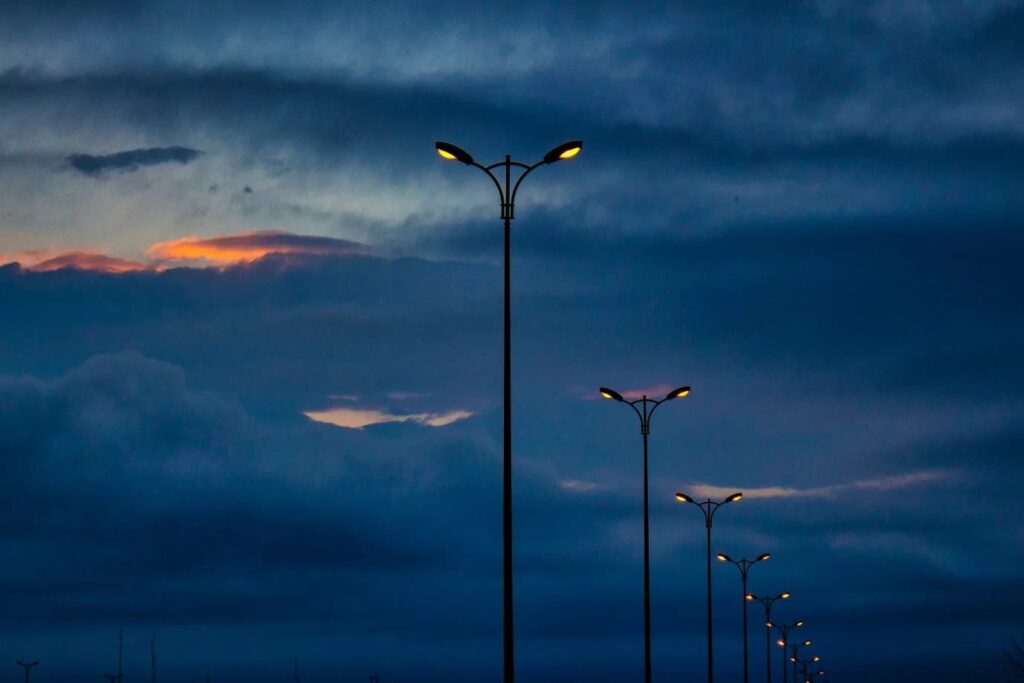
Walk down almost any road now and the street lights are LED. Parks, factory yards, car parks, footpaths. They pull less power and they last, which is why cities switched.
But LED brought a problem nobody expected at first.
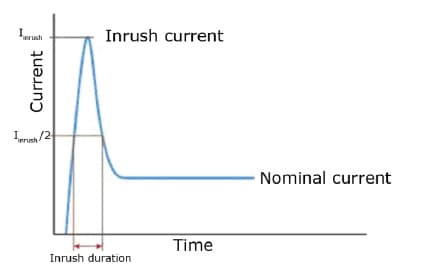
When an LED lamp starts, it can draw a hard spike of current for a few milliseconds. Very short. Long enough to hurt a weak photocell, though, and the damage shows up months later rather than on day one.
Then there is Fail-ON. The lamp stays lit when it should be off. Maybe the sensor misreads daylight, maybe glare confuses it, maybe something inside has simply given up. Whatever the cause, the result is the same: wasted power, complaints from residents, and another maintenance truck sent out.
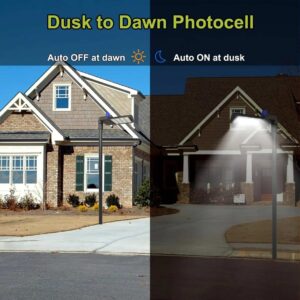
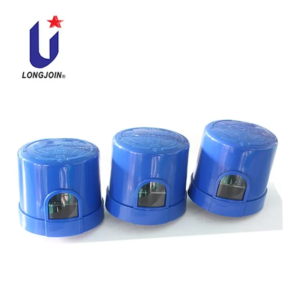
Long-Join electronic photocells were designed around these two headaches. The JL-207C twist-lock photocontroller is one example, built for dusk-to-dawn control in LED projects. It cuts down false switching and handles LED loads properly, so the control system keeps working long after a cheaper unit would have failed.
What Problems Do LED Street Lights Create For Ordinary Photocells?
From the outside an LED fixture looks simple. The driver inside is not.
At switch-on, that driver may pull a very high current for a moment. Inrush current, engineers call it. It passes quickly. Even so, it can chew through low-quality contacts if it happens every single night for years.
For an ordinary photocell switch, the end result is sticking contacts, unstable switching, or a dead unit. The installer who arrives on site usually sees only the symptom. Light stays on. Light stays off. Light flickers. Nobody thinks about the LED load, but that is often where the trouble started.
Here are the faults that come up most often.
Problem | What It Means | Field Result |
Fail-ON | The lamp stays on in daylight | More energy waste |
High inrush current | LED driver pulls a strong startup current | Shorter photocell life |
False trigger | The sensor reads light wrongly | Lamp turns on or off at the wrong time |
Weak surge protection | Internal parts cannot handle shock well | More replacements |
Poor LED matching | Old photocell used with new LED fixture | Unstable control |
Why Does Fail-ON Waste So Much Energy?
On paper Fail-ON sounds minor. One light burning through the afternoon. Who cares?
Multiply it. Three hundred lights on the same fault, each running an extra eight or nine hours a day, and the bill becomes something a finance department will notice.
There is a second cost too, and it is sneakier. Fail-ON hides itself. The lamp is glowing, so a passing inspector marks it as working. It is working, technically. Just at the wrong time of day. Nobody logs a fault, nobody schedules a repair, and the meter keeps turning.
For LED street lighting, stable switching is a money question before it is anything else.
How Does LED Inrush Current Damage A Photocell?
When the lamp starts, the driver charges its internal capacitors almost instantly. The current peak during that moment can sit far above the normal running current. Brief, yes. Still a shock to whatever is doing the switching.
The failure almost never shows up on day one. It accumulates. Every switch-on adds a little stress, and after a few thousand cycles the relay contact wears, the circuit weakens, and the switching becomes erratic.
Part Of The System | What Inrush Current Can Do | Better Design Response |
Relay or switch point | Contact sticking or arcing | Stronger switching design |
Internal circuit | Heat and stress | Surge protection |
LED driver match | Unstable start behavior | LED-compatible control |
Sensor response | Wrong switching time | Digital control logic |
Outdoor unit body | Heat and moisture stress | Sealed and rated housing |
What Makes Long-Join Electronic Photocells Better For LED Loads?
Switching a light on and off is the easy part. Doing it reliably outdoors, for years, against a modern LED driver, is harder.
Tolerance to transient current is the main thing here. It protects the internal parts during that startup spike. Beyond that, the control logic is faster and cleaner, which matters more than people expect. Brief glare, headlights sweeping past, a cloud breaking up at the wrong moment. Any of these can trip a slow sensor into switching when it should have waited.
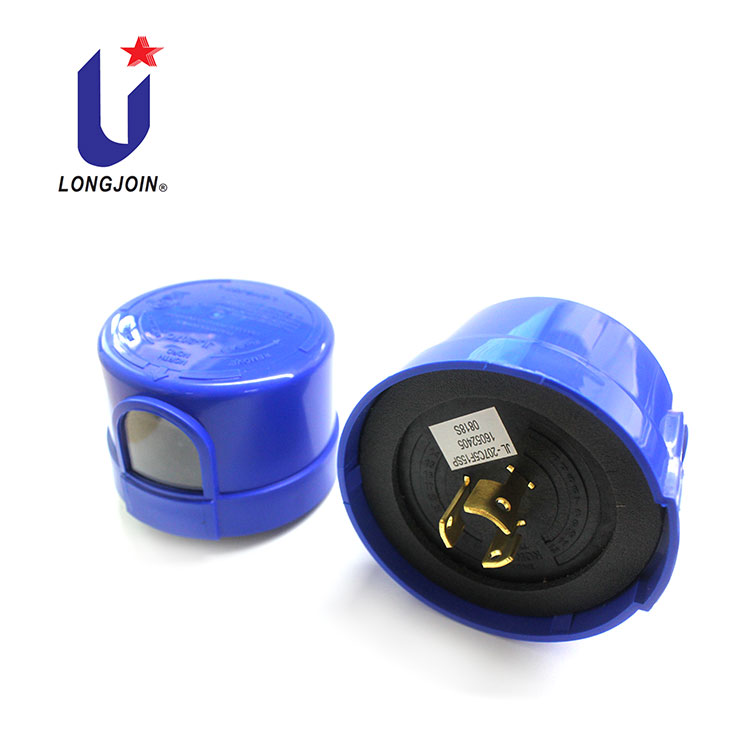
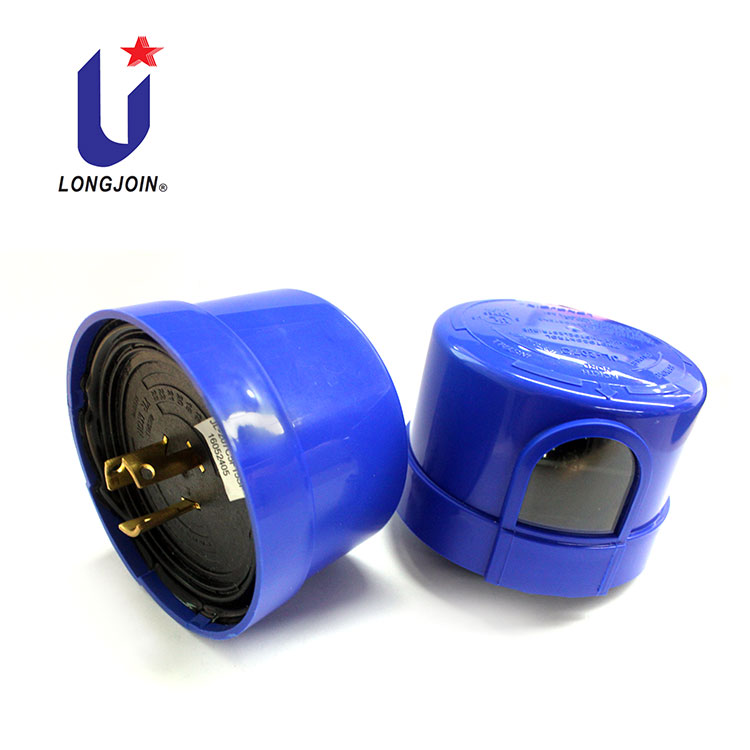
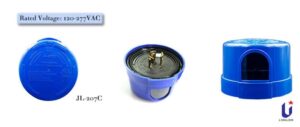
The JL-207C series is a sensible starting point for LED street light photocell work. It runs on 120 to 277VAC and fits twist-lock installation, so it drops into most outdoor fixtures without argument. The Long-Join twist-lock photocontroller category shows the wider NEMA-style range.
How Does The JL-207C Stability Test Show Its Strength?
Testing is where claims either hold up or fall apart.
In the lab, an AC supply simulates strong surge conditions while temperature and humidity stay controlled, so results can be repeated fairly. The photocell is then switched over and over at different surge current peaks. Engineers watch for stoppages, overheating, and physical damage.
Here is how the JL-207C performed.
Surge Current Peak | JL-207C Switch Count | Test Interruptions | Device Damage | Remarks |
10A | 10,000 | 0 | None | Stable operation |
15A | 8,000 | 0 | None | Slight temperature rise |
20A | 5,000 | 1 | None | Max tolerance threshold |
25A | 2,000 | 3 | None | Extreme test |
How Can Installers Reduce Photocell Failure In LED Projects?
Most of the failures I have seen described come back to one thing. The load was never checked.
A fixture might be rated at 60W and look harmless. Its startup current can still be several times the running current. Low wattage does not mean low stress, and that is the trap.
A few practical habits help. Pick an LED-rated photocell rather than the cheapest unit on the shelf. Confirm the voltage range against the actual supply, not the assumed one. Get the receptacle right and make sure the twist-lock seats properly, because a loose connection will cause faults that look exactly like a failed sensor. And run a small batch first. Twenty lamps for a week will tell you more than any datasheet.
What Should Buyers Check Before Choosing A Photocell?
Price is the first question everyone asks. It should probably be the last.
The better question is what the photocell was built to solve. For LED lighting that breaks down into a short list. Does it support the voltage on site? Can it survive LED inrush? Is the housing sealed for outdoor conditions? Does it avoid false ON and OFF triggers? And can a technician replace it in five minutes without special tools?
Projects with smart lighting requirements should also look at Long-Join’s NEMA standard connector options, which support a range of outdoor control designs.
FAQs
Sometimes it will. It just may not last, because it was not designed for LED inrush current. An LED-rated unit is the safer choice.
The lamp stays on when it should have switched off. It wastes power, and it usually means the photocell is no longer reading light levels correctly.
It was built for stable outdoor photocontrol with LED-compatible switching, which addresses the faults that show up most often in street lighting.
Yes. A small pilot confirms that photocell, driver and fixture actually agree with each other before you commit to hundreds of units.
Conclusion
Old lamps were forgiving. LED is not, at least not to the control gear sitting on top of it.
Inrush current, false triggers and Fail-ON faults each add cost, and they add it quietly, spread across maintenance visits and energy bills rather than appearing as one obvious failure. Long-Join electronic photocells, the JL-207C in particular, were designed with those specific problems in mind. Stable switching, proper LED load matching, housings that survive outdoors.
For installers, buyers and project teams, getting the photocell right is a small decision that quietly determines how much trouble the rest of the installation gives you.
External Links:
●https://forums.mikeholt.com/threads/photo-cells-for-led.2535380/
●https://www.ametherm.com/blog/inrush-current/inrush-current-protection-led-lighting-retrofits/
●https://www.nema.org/membership/products/view/lighting-systems

 English
  Russian
  Spanish
  Portuguese
  Arabic
  Japanese
  Italian