Yard Light Pole Height vs. Power — Long-Join Photocontrol Recommendation Guide
Introduce
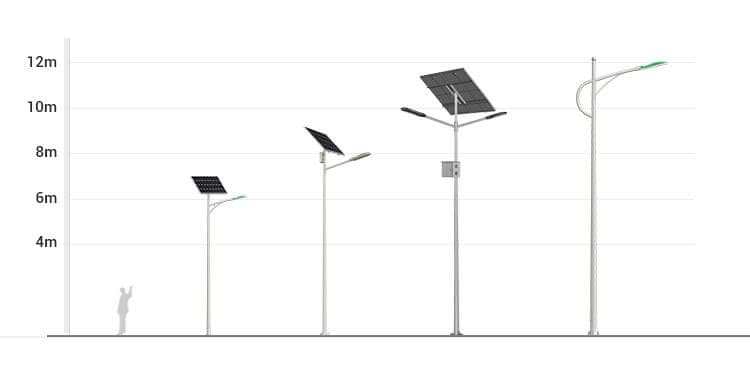
Pole height and lamp power often go up together for a simple reason. A taller light must send useful brightness farther. It also has to spread that light over a wider area. Wattage alone can be misleading.
That’s because optics, lens quality, and LED efficiency also affect how bright your yard actually feels. That’s why a good Photocontrol choice matters. When your control fits the pole height, load, and fixture type, your dusk-to-dawn lighting stays steady. It reduces false triggers and makes maintenance simpler.
How Does Pole Height Affect The Power You Really Need?
The higher the light is, the more space it must cover. And the more space it covers, the more power and lumens you’ll need. Also, modern LED selection is often better done by brightness (lumens) than wattage alone, because different LEDs can produce different light at the same wattage.
What Power Range Fits 3–4 ft Bollards Best?
Most 3–4 ft bollards are meant for guidance, not stadium lighting. You want safe paths and soft edges, not a blinding hotspot. In many real products, you’ll see bollards around 6W–13W depending on design and output goals.
What Goes Wrong If You Oversize A Bollard?
- The ground becomes too bright, but the yard still feels uneven.
- Glare increases at eye level when you’re walking.
- Bugs gather more aggressively around the fixture at night (not fun).
What Power Range Fits 6–10 ft Post Lights Best?
At 6–10 ft, you’re usually lighting small yards, drive edges, courtyards, and walkways. Many setups sit around the 13W–25W LED range, but the “right” wattage depends on beam angle and how wide the space is. (A narrow beam can feel brighter in one spot, while a wide beam feels softer but covers more.)
What Should You Watch For At This Height?
This is where “false on/off” complaints often start. Car headlights, porch lights, and bright windows can hit the sensor. A photocontrol with a sensible delay and stable sensing helps a lot.
What Power Range Fits 10–15 ft Residential Poles Best?
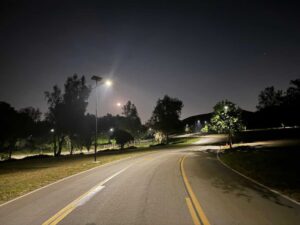
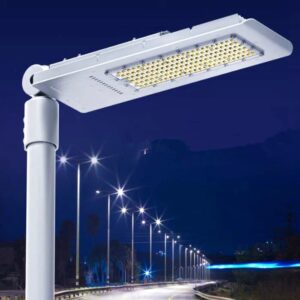
At 10–15 ft, you’re now lighting wider zones: larger yards, mini parking areas, estate driveways, and broader perimeter edges. That’s why you’ll often see 30W–100W LED in this height class. The goal is wider coverage with fewer dark pockets.
Why Do Taller Poles Demand “More Stable” Control?
Because problems get expensive fast. If the light stays OFF when it should be ON, you lose safety. If it cycles ON/OFF, the whole space feels unreliable. Controls designed for tougher load conditions and outdoor stress help keep lighting consistent.
Which Long-Join Photocontrol Works Best For 3–4 ft Bollards?
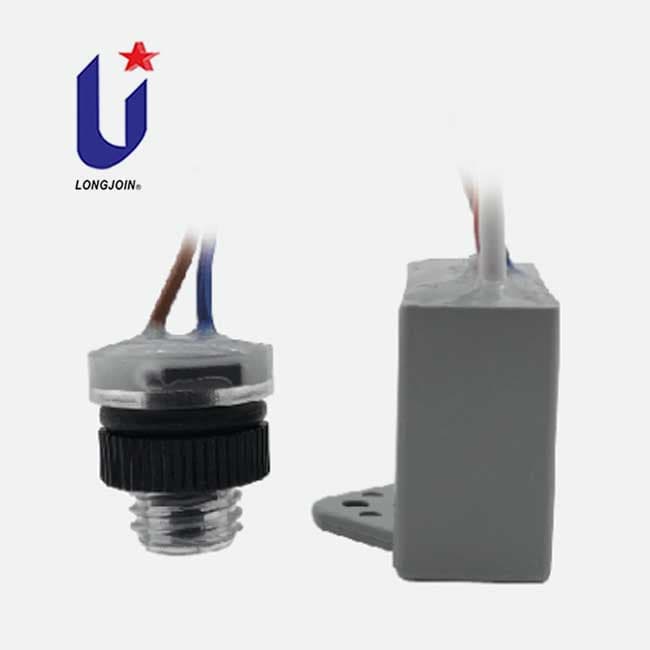
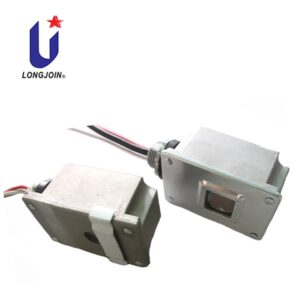
For low-height, low-load lighting, a compact, wired option is often the cleanest fit.
Recommended Models
When This Choice Makes Sense
Choose this style if your bollard is small. It also works well when the space inside the head is tight. You still get simple dusk-to-dawn behavior, without needing extra hardware.
Which Long-Join Photocontrol Works Best For 6–10 ft Post Lights?
Post lights come in two common “real-world” setups: hardwired fixtures, and fixtures designed for a locking receptacle.
Recommended Models
- JL-103A(wire-in): a classic, straightforward photocontrol approach for smaller outdoor fixtures.
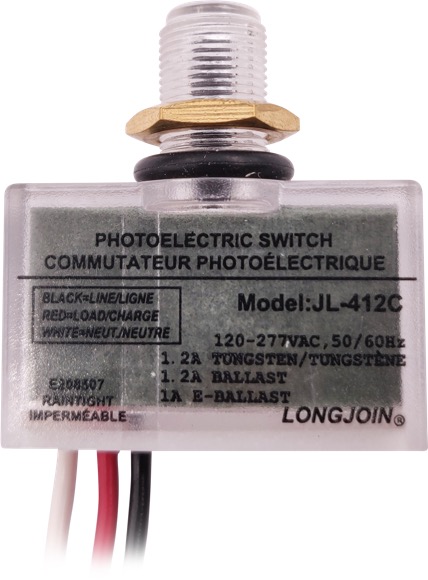
- JL-403C(mini button photocell): good when you want a compact, wide-voltage control for outdoor lighting.
- JL-423 series (JL-423C family): positioned for harsher conditions and higher load needs, with design notes that target more demanding outdoor environments.
A Simple Rule
If your fixture is hardwired and space is limited, a button-style photocell switch is often the practical route. If your fixture is built around a locking receptacle, you’ll want a receptacle-based control (more on that below).
Which Long-Join Photocontrol Works Best For 10–15 ft Residential Poles?
This height range is where many homeowners and contractors move to fixtures that support standardized outdoor sockets.
Recommended Models
- JL-205C: It’s a locking control used on outdoor lights. You often see it paired with a NEMA socketin ANSI-style setups. It’s made for larger outdoor fixtures, where fast replacement matters.
- JL-423 series (JL-423C family): It’s a strong choice when the job site is harsh. It works best when you need a tougher, button-style control.
- JL-403C: still a solid choice when your fixture is hardwired and the load is within a reasonable range for the luminaire design.
Why JL-205C Is Popular On Poles
Pole-top fixtures are exposed. If the control fails, you want a fast swap without rewiring. Receptacle-based controls help with that “replace in minutes” goal.
How Do You Choose Between Hardwired Controls And Receptacle Controls?
This is the part most people skip, and it’s why installs get messy later.
Choose A Hardwired/Button Style Control When…
- Your fixture is wired directly, and you don’t want to add extra hardware.
- The housing is compact (common in bollards and small posts).
- You want a simple outdoor photocell light sensorsolution and you’re done.
Choose A Receptacle-Based Control When…
- Your pole fixture is designed around a standardized locking receptacle.
- You care about fast replacement at height.
- Your maintenance team wants “twist off, twist on” instead of rewiring.
Conclusion
Match pole height to realistic power, then match the control to the fixture style and outdoor stress level. That’s how you get stable dusk-to-dawn lighting without flicker, false triggers, or hard maintenance. Long-Join’s lineup covers compact bollard needs, mid-height posts, and pole fixtures that benefit from fast swap systems.
External Links:
●https://en.wikipedia.org/wiki/Photoelectric_sensor
●https://en.wikipedia.org/wiki/Light-emitting_diode
●https://www.agcled.com/blog/understanding-beam-angle-lighting.html