
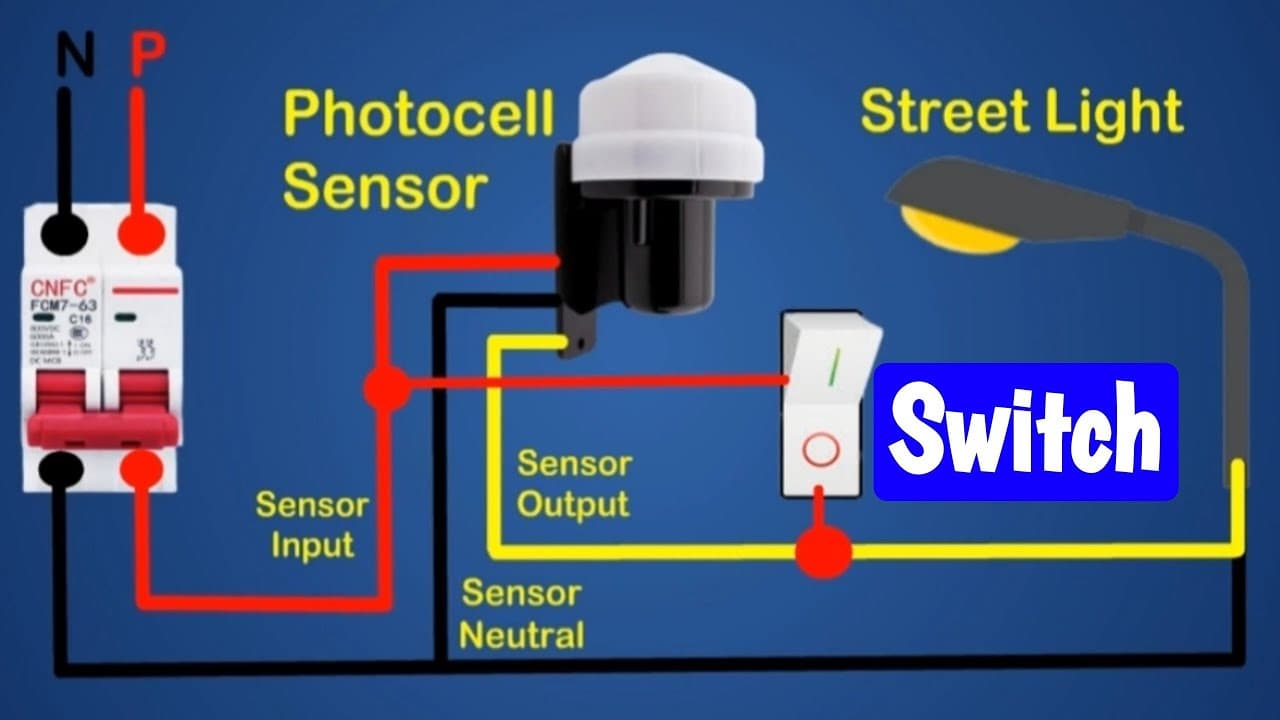
Mercury Vapor Light Not Working? Check The Photocell Before Replacing The Lamp
Представлять
Your mercury vapor light dead? Flickering like crazy at dusk? Or worse—it’s burning during the entire day? Most people jump straight to blaming the lamp. Ballast gets blamed too. Don’t. Check the photocell first. Seriously. That cheap part might be your culprit, and replacing it beats dropping cash on expensive lamp and ballast combos.
Here’s the thing: a bad photocell can fool you into thinking the lamp itself is shot. It won’t let the light fire up when darkness hits. Or it’ll keep that light blazing straight through noon. For outdoor fixtures, this little component is basically the fixture’s “eye.” Fails, and your whole system looks like it’s dead.
What A Photocell Does In Outdoor Lighting
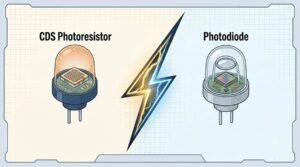
A photocell is basically a switch that detects light. Pretty simple tool. It catches dusk and switches your lights on. Then daylight arrives, and it kills the power. The whole thing works by reading whatever ambient light is around the fixture at any given moment.
Works beautifully for mercury vapor setups. Same goes for street lights, parking lot floods, garden fixtures, those security lights around your property. All of them lean on this tiny but critical part.
Part | What It Actually Is | Its Job |
Фотоэлемент | Light-sensing switch | On-off control |
Sensor Eye | The clear window | Detects daylight/dark |
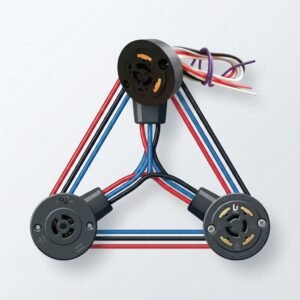
Сосуд | Socket on the light | Holds the photocell |
Lamp | The main light source | Produces actual light |
Балласт | Power management | Starts and runs lamp |
LONG-JOIN makes a few solid photocell models for this work—JL-205C, JL-207C, JL-207F. They’re designed to be swapped out in the field without hassle.
Why You Should Check The Photocell Before Replacing The Lamp
Swapping out a mercury vapor lamp или ballast? Takes forever. Costs real money. Testing the photocell first is faster. Way cheaper, too.
Here’s what happens: a weak photosensor throws a bad signal at your fixture. The lamp might actually work fine. But the control part isn’t telling it what to do. So the light either never comes on at night, or it’s stuck on during daylight.
Run this test first. It’s smart. Saves you from buying parts you don’t actually need. Plus contractors can knock out outdoor lighting fixes in half the time when they start here.
Signs Of A Bad Photocell
A failing photocell doesn’t always announce itself the same way. Some symptoms are obvious. Others only show up during specific times of day.
You’ll most often see the light staying on all day long. That means the фотоэлемент thinks it’s still dark outside—which it’s not.
Flickering is another red flag. Light comes on. Turns off again. Happens right around sunset or sunrise when things are transitioning. Usually the sensor lens got dirty or cracked. Could be light pollution from a nearby street lamp messing with it too.
Проблема | Photocell Issue | Исправить |
Light on during day | Sensor dead or lens blocked | Clean or replace it |
Light won’t turn on at night | Photocell not switching | Cover sensor, test response |
Constant flickering | Weak sensor or loose connection | Check lens and socket |
Late activation | Lens is dirty or yellowed | Clean the sensor window |
Cycling on and off | Wrong angle or light reflection | Reposition the photocell |
What Makes Photocells Fail Too Soon
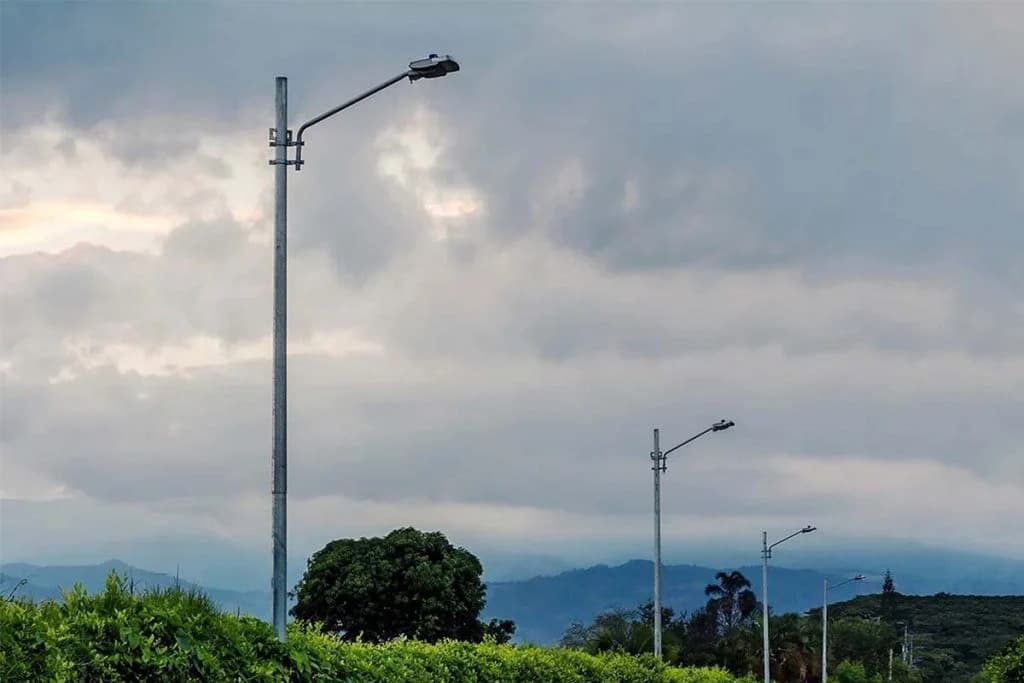
These components sit outside. They get baked. UV light beats on the plastic lens until it yellows or turns cloudy. Once that happens, the sensor can’t read light properly anymore.
Voltage spikes are brutal too. Lightning strike nearby, power grid hiccups, unstable utility lines—all of it can toast the internal components. Heat’s another killer. Run a fixture hard for twelve hours straight on a summer night, and the control unit cooks. Life span drops fast.
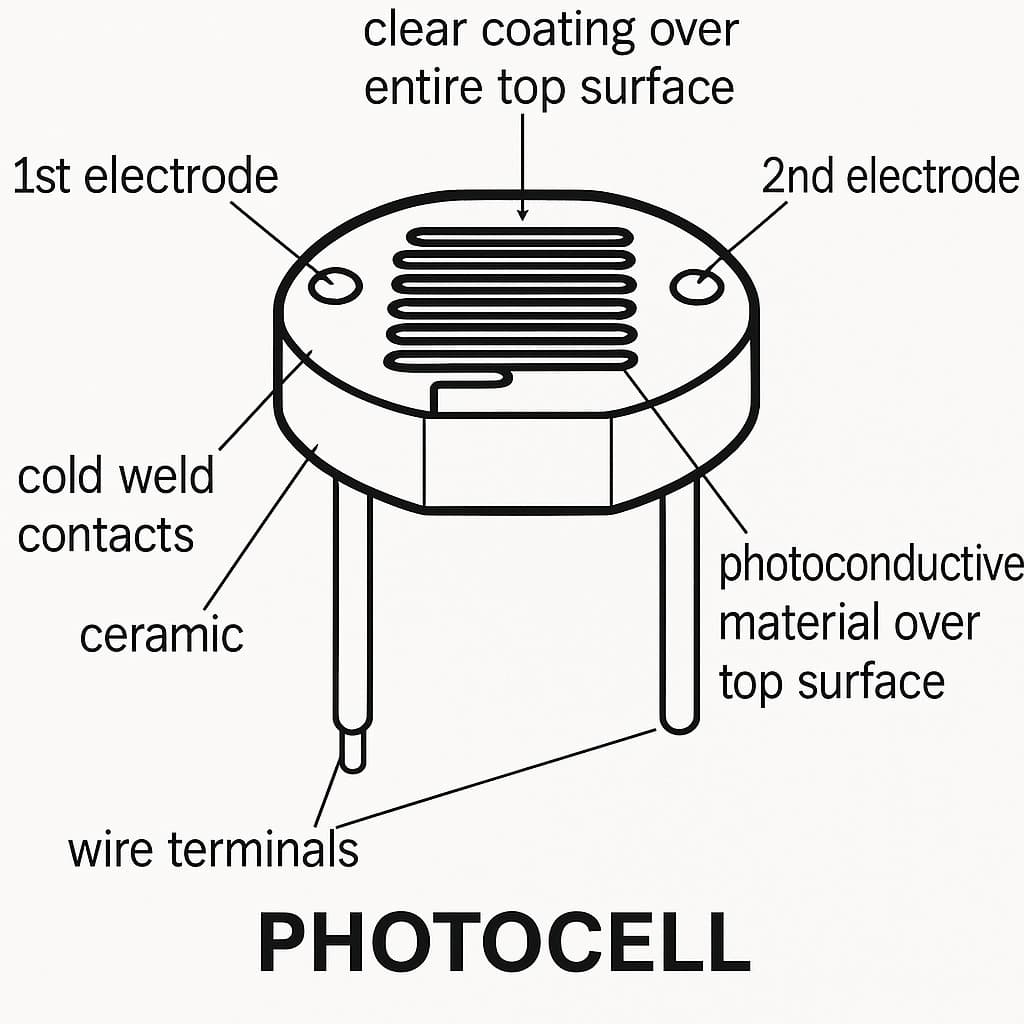
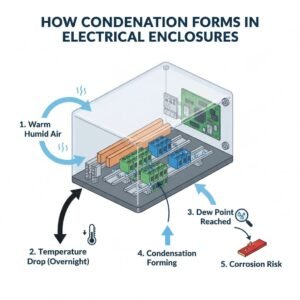
Water is probably the biggest enemy though. Rain gets into the housing. Water seeps into the socket. Corrosion starts eating the contacts. You end up with flickering, delayed switching, or the whole thing just quits.
Bad placement kills them too. Point that sensor at a street lamp and it gets confused—might shut your light off at 9 PM. Leave it in shade all day and it keeps the lamp running past sunrise. These aren’t failures. They’re installation mistakes.
What You Should Check Before Buying A New Mercury Vapor Lamp
First: photocell. Second: check the socket, wiring, and overall fixture condition. Is anything cracked? Loose? Corroded?
Only move to lamp or ballast or wiring issues if a new photocell doesn’t solve it. This order makes sense. You catch cheap fixes before replacing expensive parts.
Which LONG-JOIN Photocell Fits Your Lighting Job
The right photocell depends on where you’re installing it, voltage available, and what load it’s handling. A small residential porch light doesn’t need the same photocell as a municipal street corner. Parking lot lighting takes a beating—weather, long hours, constant use. Needs something robust.
JL-205C handles basic dusk-to-dawn residential stuff fine. JL-207C is what you reach for when outdoor conditions are tougher. JL-207F? That’s built for heavy-duty parking lots and industrial applications where the light runs most of the night.
Приложение | Suggested LONG-JOIN Model | Main Benefit |
Residential security light | JL-205C | Simple dusk-to-dawn control |
Garden or doorway light | JL-205C | Easy daily switching |
Освещение парковки | JL-207C or JL-207F | Better outdoor durability |
Municipal street light | JL-207C | Stronger field reliability |
Industrial outdoor lighting | JL-207F | Higher-duty application support |
Часто задаваемые вопросы
Cover the photocell during daytime. Wait a couple minutes. Light comes on? Your lamp's probably fine. Nothing happens? Then you've got bigger issues to investigate.
Photocell failed. Or the sensor got filthy. Maybe it's pointing the wrong direction. Could be blocked by debris too.
Depends on the fixture design. If it uses a twist-lock photocell, yes—swap just that part. Whole fixture stays.
Years, if you're lucky. Could be five, could be ten. Heat, water, UV exposure, electrical spikes—any of those shortens the timeline.
Test the photocell first. It's the cheapest and easiest thing to rule out.
Заключение
Mercury vapor light down? Don’t panic-buy a new lamp. Seriously. The photocell might be your real problem—not the lamp at all. This small component tells your light when to flip on and off. When it fails, the whole rig looks broken.
Start with the cover test. Takes thirty seconds. Then look at the lens. Check the housing. Inspect those socket contacts. If it’s damaged, pull it out and drop in a matching replacement photocell.
That’s usually it. Light comes back on. Problem solved. Way cheaper than guessing.
Внешняя ссылка:
●https://en.wikipedia.org/wiki/Ultraviolet
●https://en.wikipedia.org/wiki/Ballast
●https://en.wikipedia.org/wiki/Mercury-vapor_lamp
●https://www.researchgate.net/publication/266645106_Detection_and_Optimization_of_Weak_Photoelectric_Signal_in_Intelligent_Optical_Film_Deposition_System

 Russian
  English
  Spanish
  Portuguese
  Arabic
  Japanese
  Italian