
Why Long-Life Photocontrols Matter for Highway Lighting Systems
Introdurre
Highway lights do more work than most outdoor lights. They stay on every night. They face rain, dust, heat, cold, and harsh sunlight. So, each small part must work well at all times. One key part in this system is the photocontrol.
A photocontrol is also called a photocell sensor. It turns the light on at dusk and off at dawn. It may look small. But if it fails, the whole lamp may stop working as it should. On a highway, this can hurt safety. It can also reduce visibility and raise maintenance costs.
Why Highway Lighting Systems Need Long-Life Photocontrols
Highway lights are not easy to repair. Many are installed on tall poles, beside fast traffic, and across long road sections. If one photocell street light stops working, the repair crew may need a bucket truck, safety cones, workers, and even a lane closure.
Long-life fotocontrolli help cities and contractors reduce repair visits. They also help keep the road bright and safe at night.
Highway Lighting Need | Perché è importante |
Lunga durata di servizio | Reduces replacement work |
Stable switching | Keeps lights working at the right time |
Resistenza alle intemperie | Protects the unit outdoors |
LED compatibility | Helps prevent flickering |
NEMA twist-lock design | Makes field replacement faster |
What Happens When a Short-Life Photocontrol Fails
A poor-quality dusk to dawn photocell can fail in many ways. Sometimes the light stays on during the day. Sometimes it stays off at night. In other cases, the lamp flickers or starts slowly.
For a garden light, this may only be annoying. For a highway, it is more serious. Drivers need clear light to see road edges, curves, signs, and other vehicles. A dark section of road can create risk, especially during rain or fog.
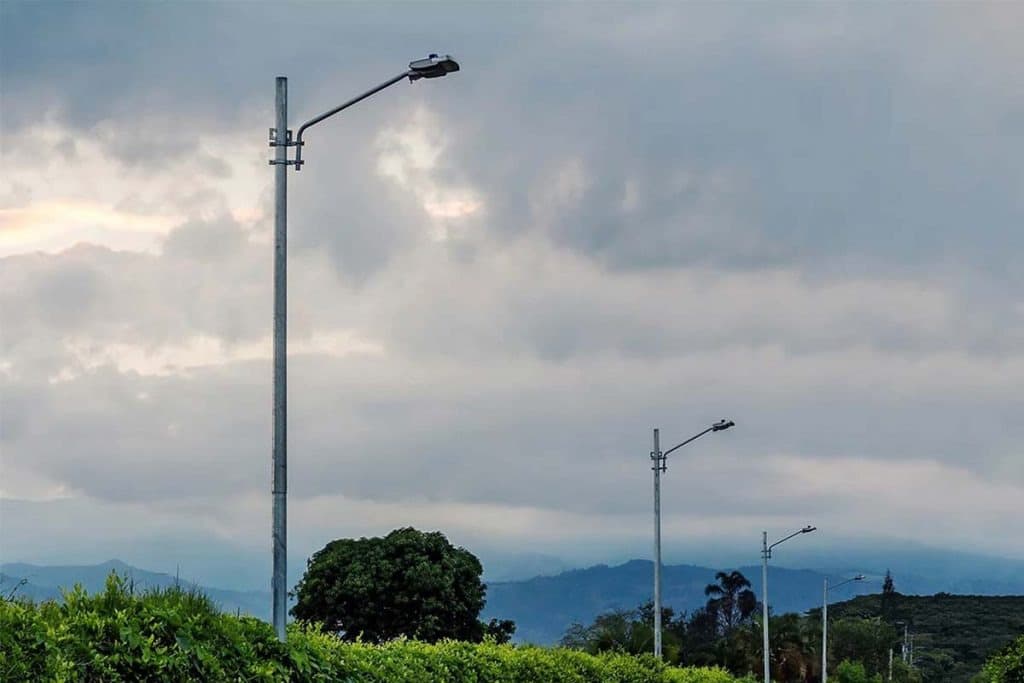
Short-life products can also increase public complaints. When people see lights off on a busy road, they report it. The city then has to send a repair team. This creates more work and higher cost.
Common Failure | Roadway Impact |
Relay sticking | Light may stay ON or OFF |
Water entering the unit | Electrical failure |
UV housing cracking | Moisture can enter later |
Corrosione | Weak or unstable switching |
LED flickering | Poor night visibility |
Early burnout | Higher maintenance cost |
Why Maintenance Cost Is Often Higher Than the Photocontrol Price
Many buyers focus only on product price. But in highway lighting, the product price is only one part of the real cost.
Replacing a photocontrol on a highway can require a trained crew, a vehicle, traffic control, and safety planning. In some cases, work must be done at night to reduce traffic disruption. This makes labor more expensive than the small control device itself.
That is why long-life products are a smarter choice for serious roadway work. A stronger lighting control product may cost more at the start, but it can reduce repair trips over time.
For example, the LONG-JOIN twist-lock photocontroller series is made for outdoor lamps such as street lights, garden lights, floodlights, and similar fixtures. For highway projects, this kind of twist-lock design also helps make maintenance faster.
What Buyers Should Look for in a Highway-Grade Photocontrol
A highway-grade photocontrol should not only turn lights on and off. It should survive outdoor stress for a long time. Rain, sunlight, vibration, power changes, and temperature shifts can all damage weak products.
Buyers should check the sealing grade, housing strength, voltage range, LED compatibility, and NEMA fit. They should also ask if the product has a strong switching life. A long switching life means the internal relay can handle repeated on-off operation for many years.
IL JL-205 series photocontrol page shows different protection options such as IP54, IP65, and IP67 designs. This is useful because not every road project faces the same weather level.
Evaluation Item | Recommended Requirement |
Switching lifespan | 20,000 cycles or higher |
Waterproof protection | IP65 is strongly preferred |
Resistenza ai raggi UV | Needed for open-road sunlight |
LED compatibility | Important for modern LED roads |
Surge resistance | Helpful in unstable power areas |
NEMA compatibility | Useful for fast replacement |
Housing quality | Outdoor-grade material is needed |
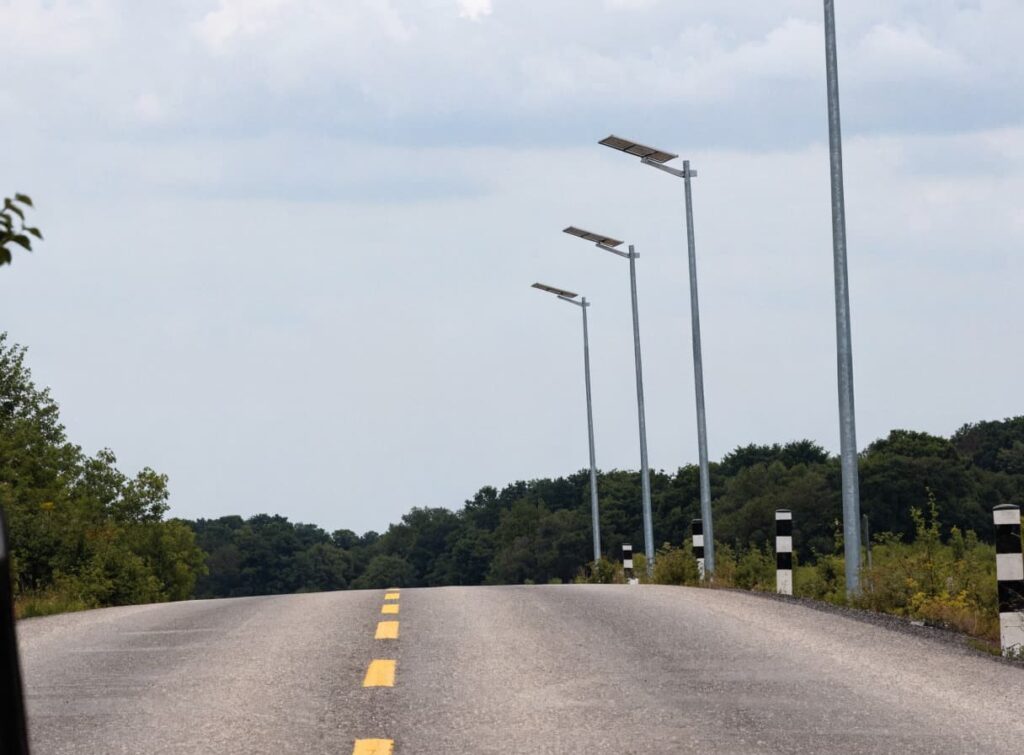
How LONG-JOIN JL-207C Supports Heavy-Duty Highway Lighting
The LONG-JOIN JL-207C is a strong option for demanding outdoor lighting.
For highway systems, the JL-207C stands out because it is designed for stronger outdoor use. Its key value is not only switching the light. It is also about keeping that switching stable for a long time.
The JL-207C supports long-life operation and is suitable for harsh outdoor environments. In the outline, it is positioned as a heavy-duty roadway lighting photocontrol with more than 30,000 switching cycles. This makes it useful for projects where replacement work is difficult or costly.
Its outdoor design also helps reduce common problems. These include moisture damage, UV aging, and unstable LED switching. . These features matter a lot on highways. They matter even more in hot, rainy, dusty, or coastal areas.
How LONG-JOIN JL-205C Fits Standard Roadway Lighting Projects
The LONG-JOIN JL-205C works best for standard road lights. It also suits city lighting, parking lots, and other outdoor LED systems. It is a smart choice for projects that need steady dusk-to-dawn control. It works well when there are no heavy extra demands.
The JL-205C supports standard twist-lock use and is built for automatic control based on natural light level. This makes it easy to use in common road and public lighting projects.
For many cities, the JL-205C offers a balanced option. It gives stable outdoor performance while keeping the system simple. It is useful where the road environment is not extremely harsh, but the project still needs a reliable photocell switch for daily operation.
How JL-207C and JL-205C Compare for Highway Lighting
JL-207C and JL-205C are both useful. But each one fits a different need. JL-207C suits tough, heavy-duty jobs. JL-205C works best for normal road and city lighting.
On roads with harsh sun, heavy rain, dust, or hard upkeep, JL-207C is the better choice. . If the project is a normal street or parking lighting system, JL-205C can be enough.
Caratteristica | JL-207C | JL-205C |
Main Positioning | Heavy-duty roadway lighting | Standard roadway lighting |
Waterproof Protection | IP65 optional | IP65 optional |
Resistenza ai raggi UV | Enhanced outdoor protection | Standard outdoor protection |
Switching Lifespan | Oltre 30.000 cicli | 20,000 cycles |
Compatibilità LED | Eccellente | Bene |
Compatibilità NEMA | SÌ | SÌ |
Best Environment | Harsh highway conditions | Municipal roadway systems |
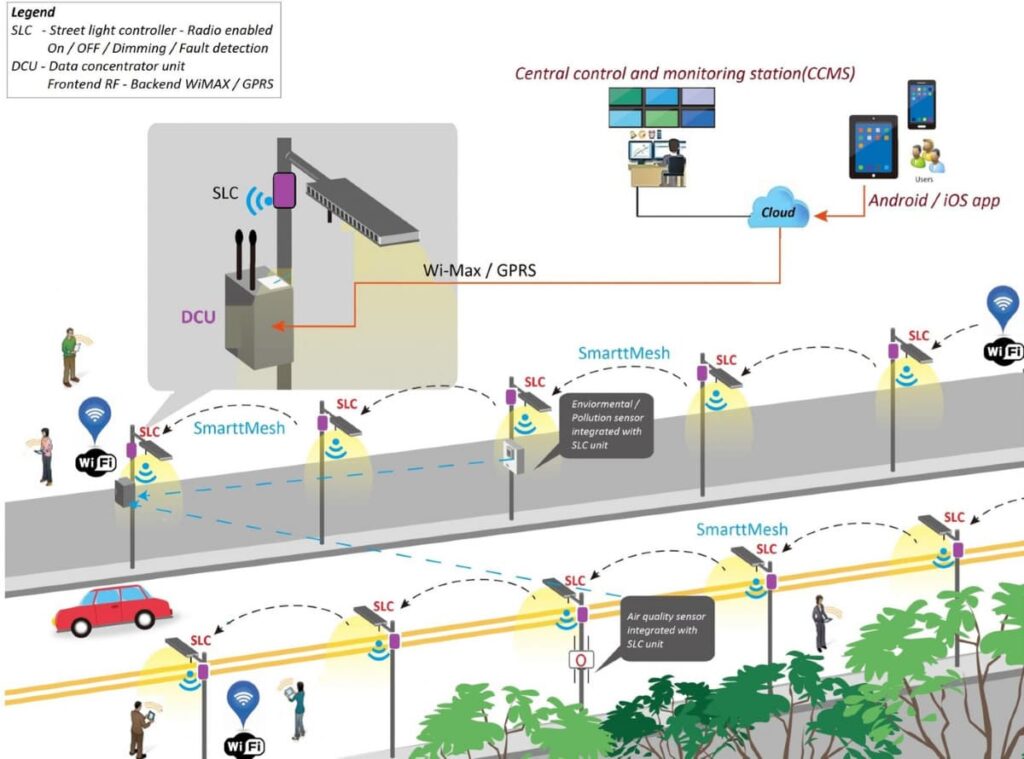
Why NEMA Twist-Lock Systems Help Roadway Maintenance
UN Presa NEMA makes replacement easier. Instead of rewiring the whole control unit, workers can remove the old twist-lock device and install a new one faster. This is useful for highway systems because time on the road must be reduced.
IL LONG-JOIN 3-pin photocell receptacle is made to match twist-lock photocell sensors and is suitable for street lighting, garden lighting, passage lighting, and doorway lighting. For roadway projects, this type of standardized connection improves maintenance speed.
Conclusione
Long-life photocontrols matter because highway lights are hard and expensive to maintain. A failed unit can affect safety, visibility, and public trust.
LONG-JOIN solutions such as JL-207C and JL-205C help support outdoor roadway lighting with stable dusk-to-dawn control, NEMA twist-lock installation, waterproof options, and LED compatibility.
For harsh highway environments, JL-207C is the stronger choice. For standard roadway and municipal lighting, JL-205C is a practical option. In both cases, choosing the right photocontrol helps reduce maintenance work and keeps highway lighting more reliable.
Link esterni:
●https://oringnet.com/en/knowledge-base/why-nema-socket-is-always-needed-for-street-lighting
●https://www.intermatic.com/Catalog/us/Products/Photocontrols?setcontextlanguagecode=en
●https://leviton.com/support/resources/led-bulb-compatibility-tool



 Italian
  English
  Russian
  Spanish
  Portuguese
  Arabic
  Japanese