
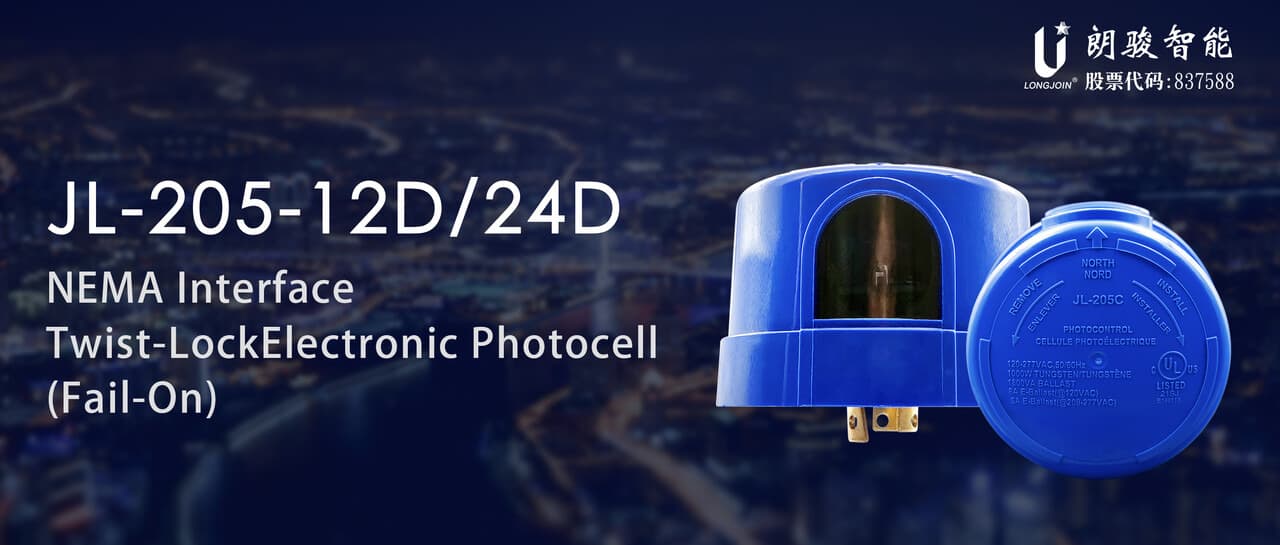
What Is The UL773 Standard? What Are The Differences Between UL773 And ANSI C136.10? — From The Perspective Of Long-Join Photocontrol Products
Introdurre
Outdoor lighting must survive rain, dust, heat, cold, voltage stress, and years of switching.
That is why standards matter so much for every photocell, photocell sensor, and photocontrol used in street lighting.
UL 773 is a UL safety standard for plug-in locking photocontrols used in area lighting. It focuses on safety.
ANSI C136.10 is an American National Standard for locking-type photocontrol devices and their matching receptacles.
For manufacturers that want to serve North America, meeting only one standard is usually not enough. Safety, fit, switching performance, and long-term outdoor use all matter.
Long-Join’s own Serie JL-207 materials describe the product line as built for automatic control of street, garden, passage, and doorway lighting, and Long-Join states that its JL-207C series is engineered around UL 773 and ANSI C136.10 for the North American market.
What Is The UL773 Standard?
UL 773 is a safety standard for plug-in, locking-type photocontrols used with area lighting. That includes checking how the unit handles electrical stress, insulation, enclosure protection, and safe use in harsh weather. The standard is about safe operation first, not just whether the unit can switch a lamp on and off.
For buyers and project owners, UL 773 acts like a trust filter. It helps show that a fotocellula luminosa or photocell switch is designed for safe outdoor use in the kind of real-world conditions that street lighting sees every day. That matters for product acceptance, especially in North American projects where certification is often part of the buying process.
What Does UL773 Focus On?
UL773 Focus Area | What It Means In Simple Words |
Product safety | The control should not create electrical danger in normal outdoor use |
Outdoor suitability | The unit should handle weather and area-lighting conditions |
Receptacle coverage | The standard also applies to matching locking receptacles |
Market confidence | Certification helps buyers trust the product for regulated projects |
What Is The ANSI C136.10 Standard?
ANSI C136.10 is a different kind of standard. NEMA’s published contents and scope describe it as the standard for locking-type photocontrol devices and mating receptacles covering physical and electrical interchangeability and testing for roadway and area lighting equipment.
That means ANSI C136.10 is less about broad product safety certification and more about whether the device works properly in the lighting system it is meant for. It looks at things like fit, interface, and test performance so that a photocontrol and a receptacle can work together the way the industry expects. This is very important for utility and street lighting projects because installers need parts that match, lock, and perform in a predictable way.
What Does ANSI C136.10 Focus On?
ANSI C136.10 Focus Area | What It Means In Simple Words |
Intercambiabilità | The control and receptacle should match properly |
Electrical testing | The device should perform correctly in use |
Mechanical fit | The locking design should connect the right way |
Street-light function | The standard is aimed at roadway and area lighting use |
What Are The Main Differences Between UL773 And ANSI C136.10?
The first big difference is the purpose of each standard. UL 773 is a safety standard from UL Standards & Engagement for plug-in locking type photocontrols for area lighting. ANSI C136.10 is an industry standard for photocontrol devices and mating receptacles that defines interchangeability and testing for roadway and area lighting equipment.
The second difference is the kind of questions each one answers. UL 773 is centered on safe outdoor use. ANSI C136.10 is centered on performance, fit, and compatibility within the street-light control system. They overlap in real products, but they do not measure the same thing.
The third difference is how they help in the market. UL 773 helps support safety acceptance. ANSI C136.10 helps support functional compatibility and dependable use in standardized roadway lighting systems. For a product aimed at North America, combining both is stronger than relying on only one. Long-Join says exactly this in its own market-facing content about the JL-207C series.
UL773 Vs. ANSI C136.10 At A Glance
Articolo | UL773 | ANSI C136.10 |
Main Role | Safety standard | Performance and interchangeability standard |
Main Concern | Safe outdoor use | Proper fit and reliable operation |
Covers | Plug-in locking photocontrols and receptacles | Locking-type photocontrols and mating receptacles |
Best Use In Decision-Making | Proving safety confidence | Proving system compatibility and field function |
Why Do Both Standards Matter For Long-Join Photocontrol Products?
Because outdoor lighting buyers do not want only one thing. They want products that are safe, stable, and easy to use in real systems.
Long-Join’s JL-207 series product materials say the series is used for automatic control of street lighting and other outdoor lighting based on ambient natural light, with a dusk-to-dawn energy-saving function. The company also says the long-life version can exceed 10,000 relay life cycles, while some JL-207C product pages mention optional enclosure ratings such as IP54, IP65, and IP67, depending on model configuration.
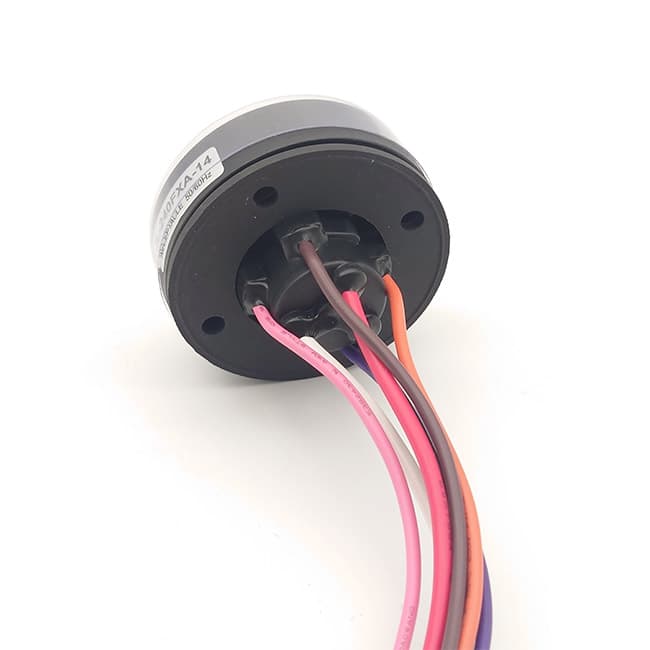
That product direction fits the logic of both standards well. A street-light control needs safe use outdoors, but it also needs the right locking connection and repeatable switching behavior. Long-Join further states that JL-207 and JL-217 products meet ANSI C136.10 and UL 773 standards and work with NEMA a 3 pin O 7-pin photocontrol receptacles.
This is also where features such as surge protection and sealing become easier to understand. A buyer may see terms like MOV surge arrester or IP65 photocontrol and think they are just technical extras. In practice, they support the bigger goal: keeping the photocell for street light working safely and reliably in outdoor service. Long-Join’s product content for one dusk-to-dawn controller also mentions a built-in MOV 40kA surge arrester and UL 773 certification alongside ANSI interface compliance.
Conclusione
UL 773 and ANSI C136.10 are not competing standards. They do different jobs. UL 773 focuses on safe outdoor use. ANSI C136.10 focuses on fit, interchangeability, and working performance in roadway and area lighting systems.
For Long-Join products such as the JL-207C series, following both standards makes practical sense. It helps the product enter demanding markets with stronger safety trust and stronger field performance at the same time.
Link esterni:
●https://www.shopulstandards.com/ProductDetail.aspx?UniqueKey=30842
●https://www.nema.org/docs/default-source/standards-document-library/ansi-c136-10-2017-contents-and-scope.pdf?sfvrsn=36d2efb_2
●https://ulse.org/
●https://www.ledlightexpert.com/waterproof-ip-rating?srsltid=AfmBOoq2Sim8mY3zzD5AHXKSkF4nHppxW2ITI2Tic_Qh5FUl_89OmJNy
●https://www.spire-is.com/what-is-a-metal-oxide-varistor-mov/
 Italian
  English
  Russian
  Spanish
  Portuguese
  Arabic
  Japanese