
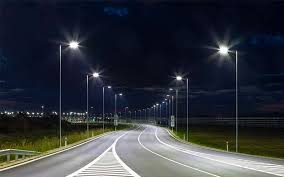
Comparative Analysis Of Longjoin JL-411 Series Photocell And JL-207-48D, JL-205-12D/24D Low Voltage Photocontrols
Introduce
Low voltage lighting is common in places where safety, energy control, and stable switching matter more than raw power. This is especially true in traffic signal systems, sign lighting, display boxes, and other special outdoor jobs. In these settings, a dependable photocell is not just a small part. It is the control point that helps the whole lighting system turn on and off at the right time.
Long-Join has built a strong name in this field by offering practical low voltage photocell control products for different project needs. The JL-411 series, JL-207-48D, and JL-205-12D/24D all serve this low voltage segment, but they do not solve the same problem in exactly the same way.
Some are better for wider voltage flexibility. Some fit smaller loads. Others are better when a project needs a stronger load rating and a more forgiving operating range. If you review Long-Join’s product platform, you can see that the brand focuses on simple, field-ready lighting control solutions for real outdoor use.
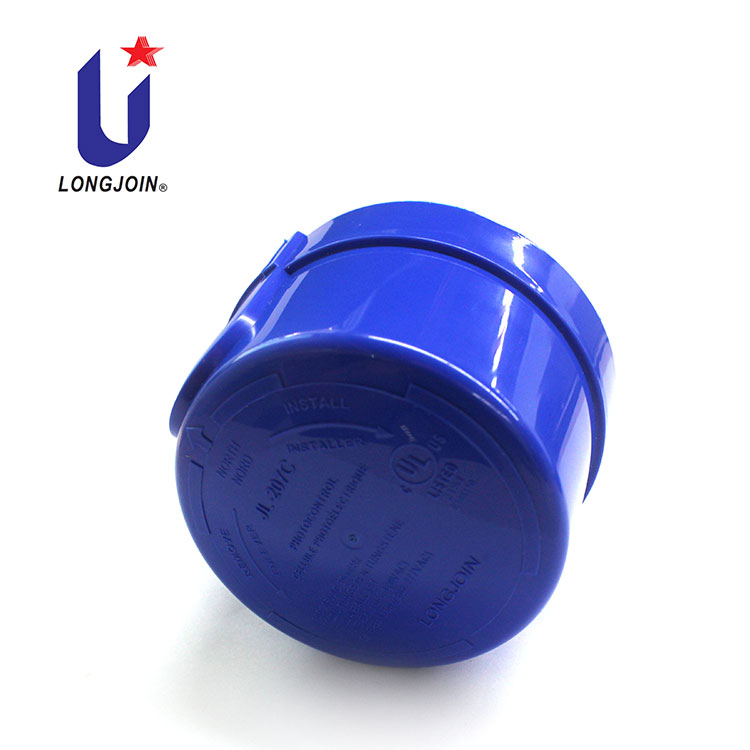
What Makes Low Voltage Parameters So Important In A Photocontrol?
Many buyers focus only on whether a unit can switch a light on and off. That is too basic. In real projects, voltage range, load size, sensor response, and power draw all affect whether the photocell switch will work well over time.
The JL-411 series is built for 12VDC and 24VDC systems. That gives it more flexibility in many low voltage projects. It uses a photocell sensor based on a photodiode, supports up to 150W, and has a maximum power consumption of 1.0W. Its operating light level is also tuned for early and stable switching.
By contrast, the JL-207-48D is designed for 48VDC systems, which makes it more specialized. The JL-205-12D and JL-205-24D sit in a more fixed position, since each one matches only one voltage level.
Here is the basic comparison:
Item | JL-411 Series | JL-207-48D | JL-205-12D | JL-205-24D |
Rated Voltage | 12VDC / 24VDC | 48VDC | 12VDC | 24VDC |
Sensor Type | Photodiode | Photodiode | Photodiode | |
Power Consumption | 1.0W max. | 0.5W max. | 0.5W max. | 0.5W max. |
Rated Loading | 150W Tungsten / 150VA Ballast / 2A E-Ballast | 75W Tungsten / 75VA Ballast / 2A E-Ballast | 150W Tungsten / 150VA Ballast / 2A Ballast | 150W Tungsten / 150VA Ballast / 2A Ballast |
Operate Levels | 5–15 Lux On / 20–80 Lux Off | 10–20 Lux On / 20–40 Lux Off | 10–30 Lux On / 30–60 Lux Off | 10–30 Lux On / 30–60 Lux Off |
Size | 45 × 45 × 30 mm; sensor head: 21 × 25 mm | 84 mm Dia. | 84 mm Dia. | 84 mm Dia. |
This is why electrical parameters matter. A mismatch in voltage or load can shorten service life, cause unstable switching, or lead to weak control in the field.
How Do These Models Differ In Sensor Response And Switching Behavior?
All four models use a photodiode sensor. This helps them detect ambient light well. So, they all respond to light in a steady and reliable way. Still, their switching points are not the same. That small difference changes how they work in real use.
The JL-411 series switches on at 5–15 Lux. It switches off at 20–80 Lux. That means it can react earlier when daylight drops. In a place where lighting must come on before visibility gets too low, that wider threshold can be useful. It gives installers more room for practical use in changing environments.
The JL-207-48D turns on at 10–20 Lux and off at 20–40 Lux. That makes its response tighter. It is a more controlled option for smaller, more defined low voltage systems. The JL-205-12D and JL-205-24D switch on within a wider range of 10 to 30 Lux. They switch off at 30 to 60 Lux. This wider range works well in places where exact early switching is not the main goal. It is better suited for steady and reliable daily control.
A simple way to read this is:
Model | Best Sensor Behavior Advantage |
JL-411 Series | Earlier and more flexible dusk response |
JL-207-48D | Stable fixed 48V low voltage switching |
JL-205-12D | Stable fixed 12V low voltage switching |
JL-205-24D | Stable fixed 24V low voltage switching |
If your goal is smoother response in changing light, the JL-411 has a clear edge. If your goal is simple switching in a narrow system, the JL-207-48D or JL-205 units may be enough.
Why Does Load Capacity Matter When Choosing A Low Voltage Photocell?
A buyer may see “low voltage” and assume all the units handle the same kind of load. That is where many mistakes happen. Low voltage does not mean low demand in every case.
The JL-411 series supports 150W tungsten, 150VA ballast, and 2A electronic ballast. This makes it a better fit for traffic signal lamps, lightboxes, and some decorative lights, where the connected load is not too small. The JL-205-12D and JL-205-24D can also handle 150W and 150VA. That makes them a good fit when the supply voltage stays fixed and the load is not too heavy.
Here is the practical view:
Application Need | Better Choice |
Higher load in 12V or 24V systems | JL-411 Series |
Fixed 12V projects with moderate load | JL-205-12D |
Fixed 24V projects with moderate load | JL-205-24D |
Small low voltage load | JL-207-48D |
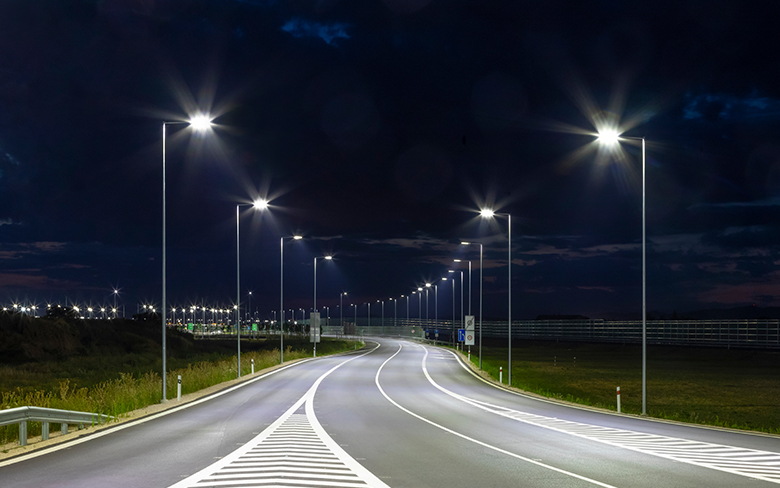
How Do Physical Size And Installation Style Affect Real Projects?
In outdoor work, the product must not only switch well. It must also fit the space, install cleanly, and remain easy to service. This matters even more in dusty, hot, or crowded locations.
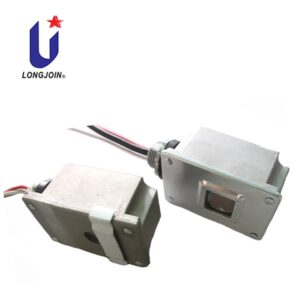
The JL-411 series has a compact body at 45 × 45 × 30 mm, with a smaller sensor head. That makes it easier to use in tighter layouts. It is often the better fit when the mounting space is limited, or the control point needs to stay less visible. This compact shape can help in signs, small enclosures, and specialized control boxes.
For simple planning:
Installation Condition | Better Option |
Tight mounting space | JL-411 Series |
Standard round mounting area | JL-207-48D / JL-205 Series |
Cleaner hidden sensor layout | JL-411 Series |
Basic low voltage panel layout | JL-205 Series |
When installers want a compact light sensor that is easy to position, the JL-411 often feels more practical.
Where Does Each Model Fit Best In Real Low Voltage Lighting Use?
The JL-411 series stands out in low voltage traffic signal lamps, LED neon lighting, and lightbox systems where the project may use either 12VDC or 24VDC. Its stronger load support and wider light threshold make it a good fit for more demanding low voltage jobs. In these settings, a stable dusk to dawn photocell sensor helps reduce manual switching and improves reliability.
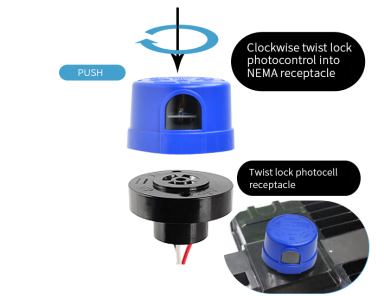
The JL-207-48D is better for the medium-height voltage systems in the 48VDC range. This makes it more specialized. It is useful when the project design already uses that narrow voltage band and the connected load is small.
This is one reason many buyers return to Long-Join when choosing an outdoor photocell light sensor for specialized lighting control: the range covers both flexible and fixed-voltage needs.
How Should You Choose The Right Model For Your Project?
The best choice comes down to three things. These are voltage, load, and the installation condition.
If your project might use 12V or 24V, the JL-411 series is a flexible choice. It also gives you stronger load support. If your project runs on only 12V or only 24V, and you need a simple fixed option, choose the JL-205 model that matches that voltage. If your system is very medium-height voltage at 48V and the load is small, the JL-207-48D is the more suitable fit.
Before ordering, check these points:
Selection Factor | What To Check |
Voltage Match | 48V, 12V, or 24V |
Load Size | Total wattage and ballast type |
Switching Need | Earlier response or standard response |
Mounting Space | Compact body or larger round space |
Environment | Heat, dust, and enclosure protection |
A good photocontrol should match the real job, not just the catalog line. When the voltage and load match well, the system is easier to install. It is safer to use and less likely to fail too soon.
Conclusion
The JL-411 series, JL-207-48D, and JL-205-12D/24D are all made for low-voltage lighting control. Each one is useful. But they are not built for the same job. They are designed for different needs. The JL-411 is the more flexible and compact choice for 12V/24V systems with stronger load demand. The JL-205 models are solid fixed-voltage options for standard low voltage work. The JL-207-48D is the niche solution for medium-height voltage 48V systems.
If you choose based on voltage, load, and the space for installation, you can avoid most product mismatch problems. In short, the right light photocell is the one that matches real working conditions, not just what the basic spec sheet says.
External Links:
●https://en.wikipedia.org/wiki/Photodiode
●https://en.wikipedia.org/wiki/Tungsten
●https://en.wikipedia.org/wiki/Ballast


 English
  Russian
  Spanish
  Portuguese
  Arabic
  Japanese
  Italian