
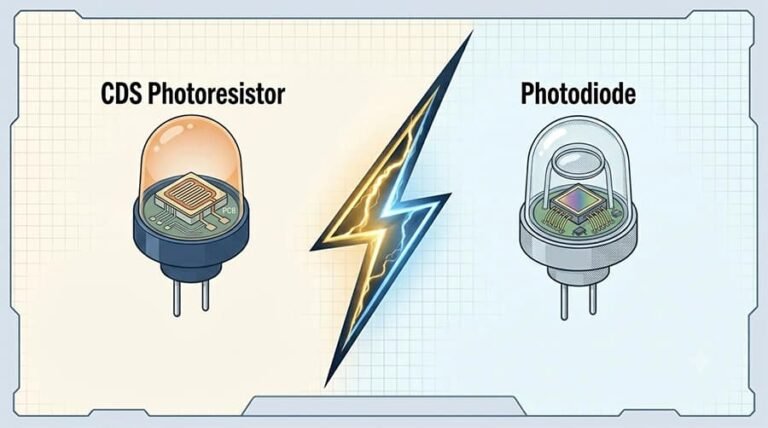
Why Do High-Temperature Countries Choose Photodiode Photocells Instead Of CDS Photocells?
Hot climates hit a photocell with heat, dust, reflections, moisture, years of outdoor service. CdS still handles simple jobs fine. But when stable sensing, fast response, and filtering matter, photodiode and phototransistor designs give engineers more to work with.
For high-temperature projects the rule is short. Pick the right sensor. Then confirm the temperature rating of the whole photocell before anyone installs it.
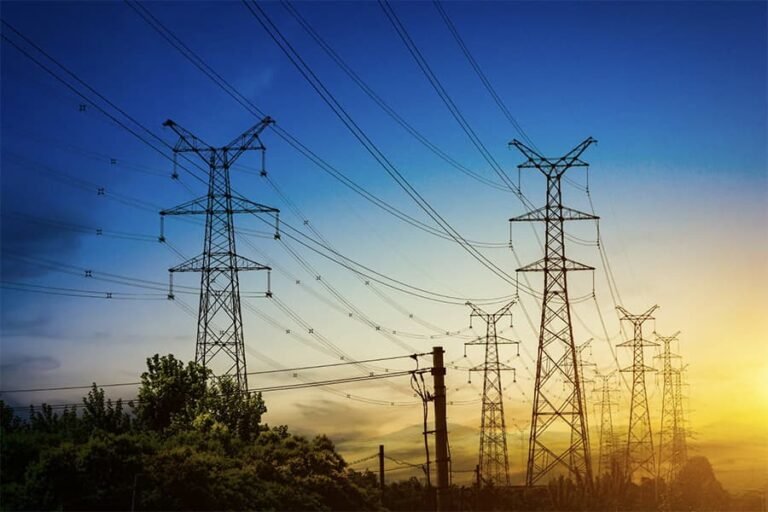
Why Do Photocells Sometimes Cause Lights to “Suddenly Turn Off” During Daytime?
A photocell that briefly switches a light off during the day is almost always doing its job correctly. The brief on-then-off sequence is the photocell responding to a power event, a system self-check, or a boundary lux condition, not malfunctioning.
The exception is frequent, repeated cycling that persists across different weather conditions, which signals a genuine fault requiring professional diagnosis. Understanding which scenario is occurring is the first step to resolving it correctly.
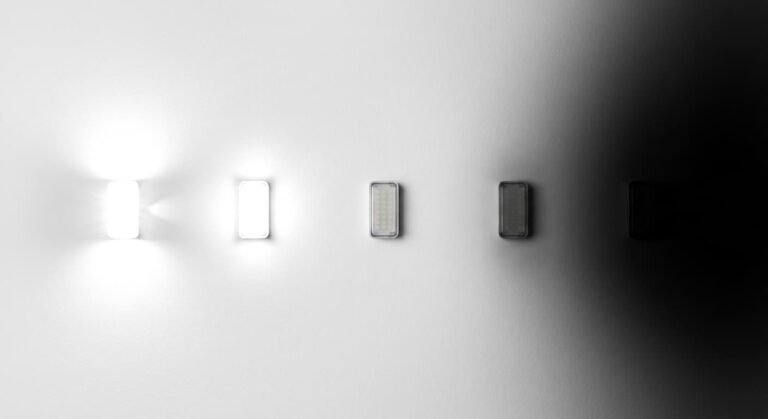
Brief False Triggering of Photocells Under Boundary Light Conditions
Boundary light false triggering is a predictable consequence of installing photocells in environments where ambient lux regularly approaches the switching threshold.
Long-Join’s IR-CUT filter, high-precision sensing design, and adjustable lux threshold settings address this at the product level. Installation-stage threshold optimisation addresses it at the site level. Together they minimise the brief false triggering events that cause lamp flickering and premature relay wear in boundary light environments.
 Italian
  English
  Russian
  Spanish
  Portuguese
  Arabic
  Japanese