
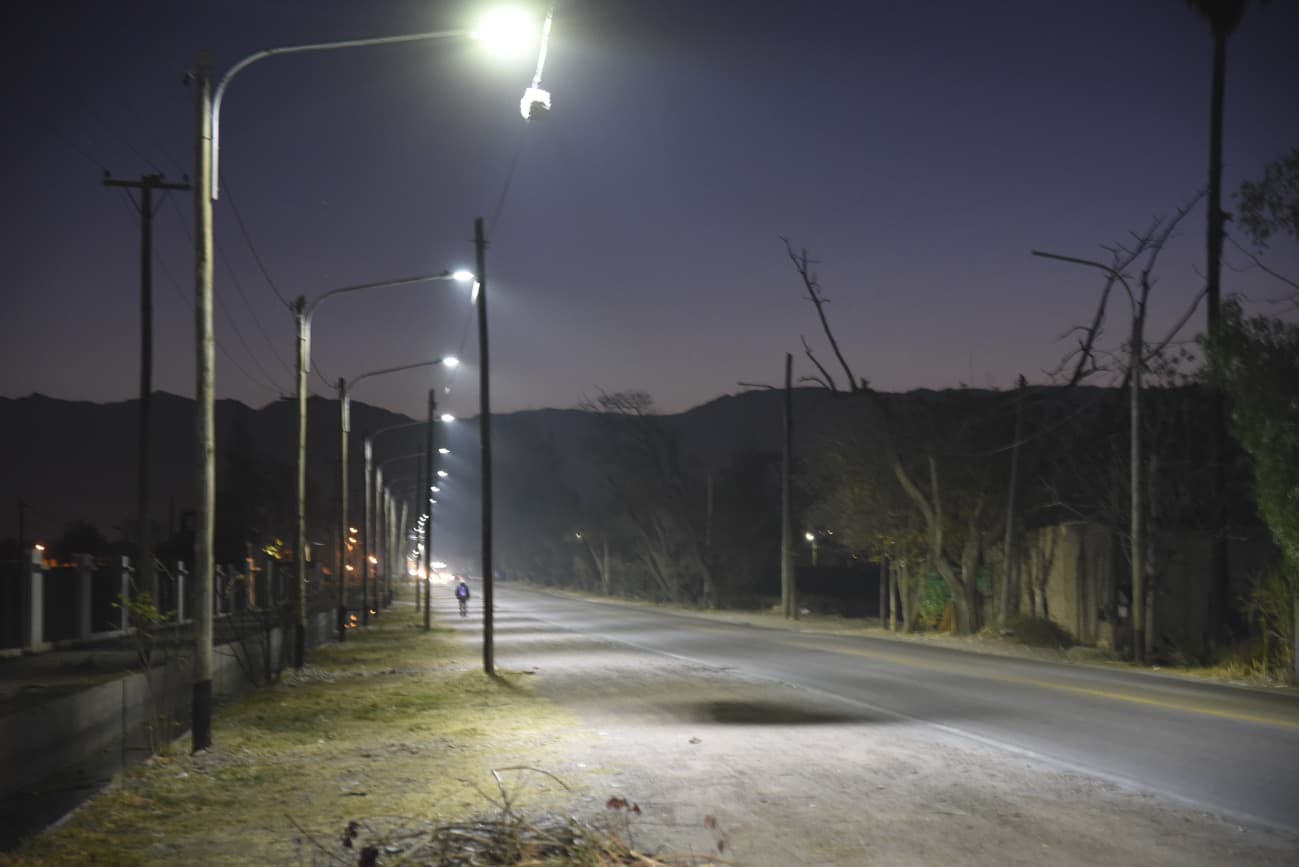
Laviana Puts The Renovation Of Its Lighting Network Out To Tender For €2.2 Million — What More Value Does It Bring To You?
Introdurre
Laviana, Spain, plans to upgrade its public lighting. The project is worth about €2.2 million. The work is about replacing old outdoor lights with LED lights. This helps save energy and makes the lighting system easier to manage.
This is not just a local streetlight project. It shows where public lighting is going in Europe. Cities no longer want lights that only turn on and off. They want LED fixtures, photocell control, smart nodes, and systems that can help reduce waste. For LED fixture makers, photocell suppliers, and smart controller companies, Laviana is a useful signal.
What Is The Main Point Of The Laviana Lighting Tender?
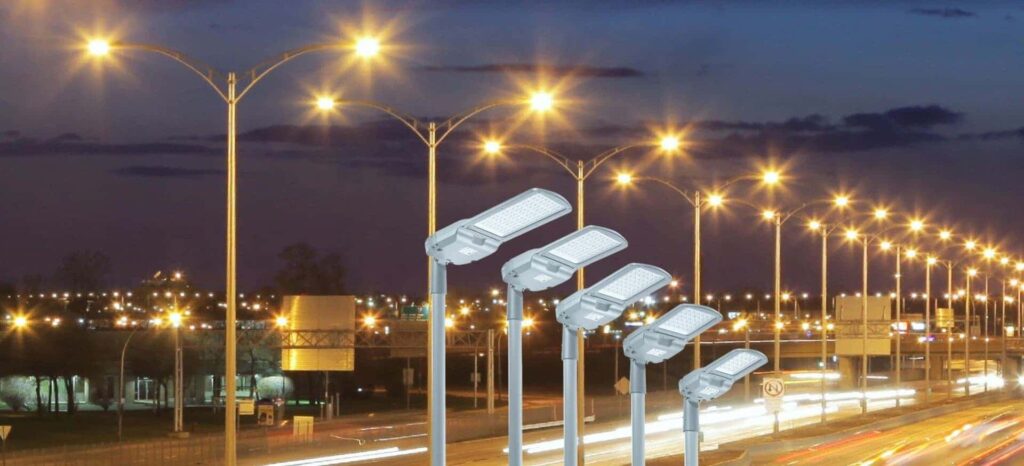
Laviana wants to improve public lighting by using LED technology. This means replacing older lamps that use more power and need more maintenance.
The goal is simple. The town wants better lighting, lower power use, and a network that can support future smart lighting. This is why projects like this matter to suppliers. A lighting tender may start with LED luminaires, but it often opens the door for photocell sensor products, controller nodes, and remote monitoring tools.
Project Area | Cosa significa |
LED Upgrade | Old lamps are replaced with efficient LED fixtures |
Risparmio energetico | Lower electricity use over time |
Manutenzione | Fewer lamp failures and easier repair planning |
Control Upgrade | Better support for photocell and smart control systems |
Future Use | Ready for smart city lighting management |
For towns like Laviana, lighting is not only about brightness. It is also about cost, safety, and long-term control.
Why Are Municipalities Replacing Traditional Streetlights With LED?
Many old streetlights still use lamps that waste power and age quickly. They may work, but they are not easy to control. When a town has thousands of lighting points, even small waste becomes a large monthly cost.
LED lights help solve this problem. They use less energy, last longer, and can work with dimming systems. They also give better light quality when selected well. This is why many European towns now treat LED conversion as the first step toward smarter public lighting.
Old Lighting Problem | LED Upgrade Benefit |
High power use | Bollette energetiche più basse |
Shorter lamp life | Less replacement work |
Poor control | Easier dimming and scheduling |
Manual inspection | Better chance for remote monitoring |
Uneven lighting | Better road and public space visibility |
A simple lamp change can reduce waste. But when LED is joined with a photocell, controller, or smart platform, the value becomes much stronger.
Which Suppliers Could Benefit From This Kind Of Project?
A tender like Laviana’s can create opportunities for more than LED fixture makers. It can also support suppliers that make lighting control parts.
Modern lighting projects often need parts that help each lamp behave smarter. A interruttore fotocellula can turn the lamp on at dusk and off at dawn. A street light controller can help manage timing, dimming, and fault reports. A photocontrol receptacle can prepare the fixture for a plug-in sensor or smart node.
Supplier Type | Possible Opportunity |
LED Luminaire Makers | Fixture replacement |
Photocell Suppliers | Dusk-to-dawn switching |
Smart Controller Providers | Remote control and dimming |
NEMA Socket Suppliers | Smart-ready fixture connection |
IoT Platform Vendors | Monitoring and data management |
This is why light control suppliers should watch public tenders closely. The first order may be for LED lights, but the next value often comes from control.
Why Are Photocells Still Useful In Smart Lighting Projects?
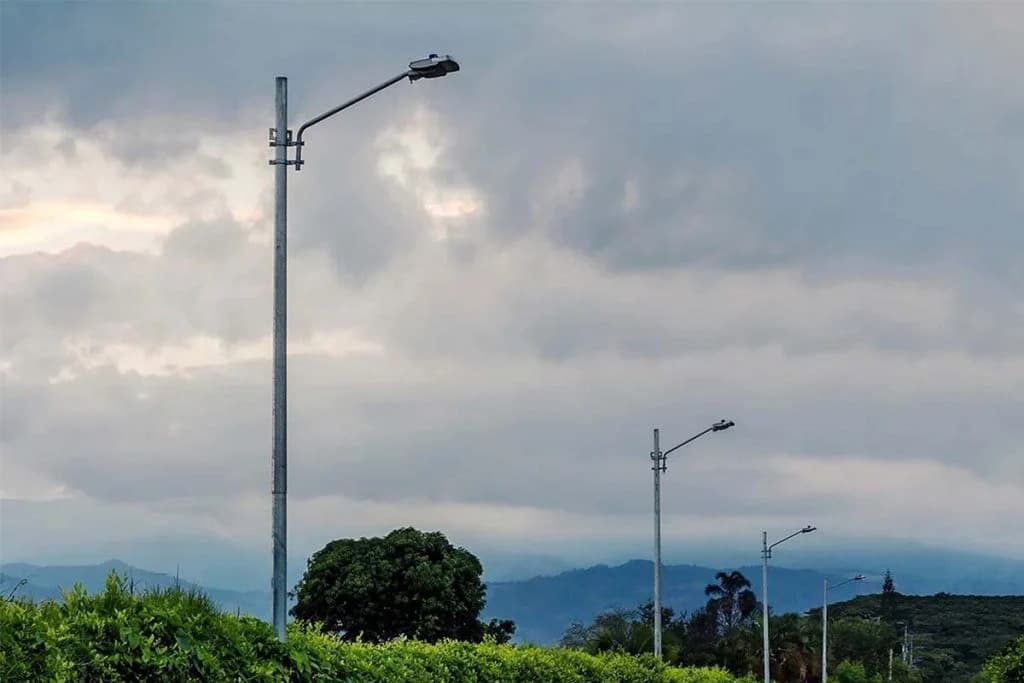
Some people think smart lighting means photocells are no longer needed. That is not always true. A good photocell still gives local control, even when a central system is added.
A photocell reads natural light. When the sky gets dark, it turns the lamp on. When daylight returns, it turns the lamp off. This simple action saves energy and reduces the need for manual switching.
In a large lighting network, local control can also act as a backup. If communication fails, a photocell can still help the lamp respond to daylight. That makes the system more reliable.
For standard LED projects, products such as Long-Join’s JL-205C twist-lock photocontrol can fit common street lighting needs. It is made for automatic control based on ambient light, which suits roads, gardens, passages, and outdoor lighting.
How Do Smart Nodes And Remote Control Add More Value?
LED lights save energy, but smart control helps cities manage the whole network better. This is where remote control matters.
With smart lighting, each lamp can become part of a managed system. The operator can check if lights are working, adjust brightness, and plan repairs faster. This reduces blind maintenance, where workers only find a fault after someone complains.
A common smart lighting path looks like this:
Layer | Role In The System |
LED Luminaire | Provides light |
Sensore fotocellula | Detects daylight locally |
Controller Node | Adds fixture-level control |
Communication Network | Sends data |
Cloud Platform | Supports monitoring and reports |
For Laviana-style projects with thousands of lighting points, this matters. Remote management can reduce wasted trips, make faults easier to find, and support better energy planning.
Which Long-Join Products Could Fit A Laviana-Style Upgrade?
Different parts fit different stages of a lighting upgrade. Not every road needs the same control level. Some areas may only need strong dusk-to-dawn control. Other areas may need a smart-ready interface.
For basic LED streetlight retrofits, the JL-205C twist-lock photocontrol is a useful fit. It supports automatic switching by natural light. That makes it suitable for residential roads, public areas, and general street lighting outdoor projects.
For smart-ready fixtures, the JL-240XA NEMA 7-pin receptacle gives a stronger upgrade path. A 7 pin receptacle can support smart nodes and dimming control, making it useful when the city wants to install now and upgrade later.
How Can Laviana Use An “Install Now, Upgrade Later” Lighting Plan?
Many cities do not build full smart lighting in one day. A better plan is often done in phases.
In phase one, the city replaces old lamps with LED fixtures and basic photocell control. In phase two, it adds smart-ready sockets or nodes in key areas. In phase three, it connects more lighting points to a remote platform.
This makes the investment easier to manage. It also avoids locking the city into old technology.
Fase | Main Upgrade | Long-Join Fit |
Phase 1 | LED + basic dusk-to-dawn control | JL-205C |
Phase 2 | Higher reliability in exposed areas | JL-207C |
Phase 3 | Smart node readiness | JL-240XA NEMA 7-pin interface |
This model is practical because it keeps today’s lighting stable while leaving space for tomorrow’s smart control.
What Does This Tender Tell Us About The Future Of Lighting Projects?
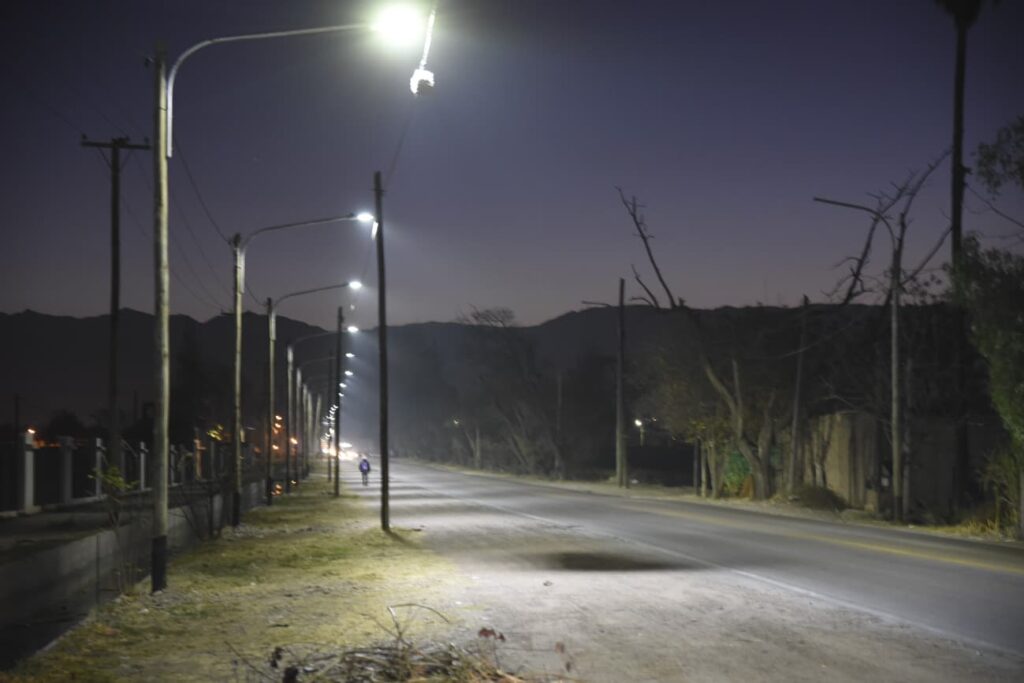
The Laviana tender shows that lighting projects are becoming wider than lamp replacement. The future is about efficient, connected, and easier-to-maintain lighting.
Cities are moving from manual systems to managed systems. They want to reduce cost, improve safety, and prepare public assets for smart city use. That creates more demand for photocell lighting sensor products, NEMA socket designs, smart controllers, and monitoring platforms.
For suppliers, the lesson is clear. Do not only sell a component. Show how the component helps the whole lighting network work better.
Domande frequenti
The project is planned around more than 4,000 public lighting points.
LED lights use less energy, last longer, and support better control.
Yes. A photocell gives reliable local daylight control and backup switching.
JL-205C is a good choice for standard dusk-to-dawn LED streetlight control.
JL-240XA is useful because it supports a NEMA 7-pin smart-ready interface.
Conclusione
Laviana’s lighting tender is more than a streetlight replacement project. It shows how towns are moving toward LED, smarter control, and better network management.
For suppliers, the value is clear. LED fixtures handle the light, but photocells, smart sockets, and controllers help manage the system. Products like Long-Join’s JL-205C, JL-207C, and JL-240XA can support different stages of this upgrade path.
Link esterni:
●https://www.aliontimer.com/photocell-switch/
●https://electrical.com.ng/index.php?route=product/product&product_id=688
●https://www.nema.org/membership/products/view/lighting-systems



 Italian
  English
  Russian
  Spanish
  Portuguese
  Arabic
  Japanese