
Enhancing Wireless Smart Photocontrol Systems in Chiang Rai, Thailand: How Long-Join JL-260C and Core Accessories Solve High Signal Interference Issues

Chiang Rai’s smart lighting market is not looking for basic photocells. It needs wireless control that actually works in difficult conditions, outdoor parts that do not degrade in six months, and installation that does not take half a day because the socket fits wrong.
Signal interference is a real problem, but the right hardware reduces it significantly. Long-Join’s JL-260C external mounting receptacle, YS800076 wireless smart terminal, and JL-241J base work as a set.
Common Street Light Photocell Problems After Heavy Rain
Heavy rain does not “randomly” break street light sensors. It usually exposes weak sealing, weak housing, or poor contact protection. When you upgrade to better outdoor designs—and install them carefully—you cut flicker complaints, reduce stuck ON/OFF failures, and protect your maintenance budget.
LONG-JOIN models like JL-207C and JL-205C support stronger roadway reliability with listed IP options, outdoor-ready materials, and stable switching features suited for street lighting networks.
Technical Analysis Of LONG-JOIN Waterproof Receptacle Micro-Design Optimization (2026 Edition)
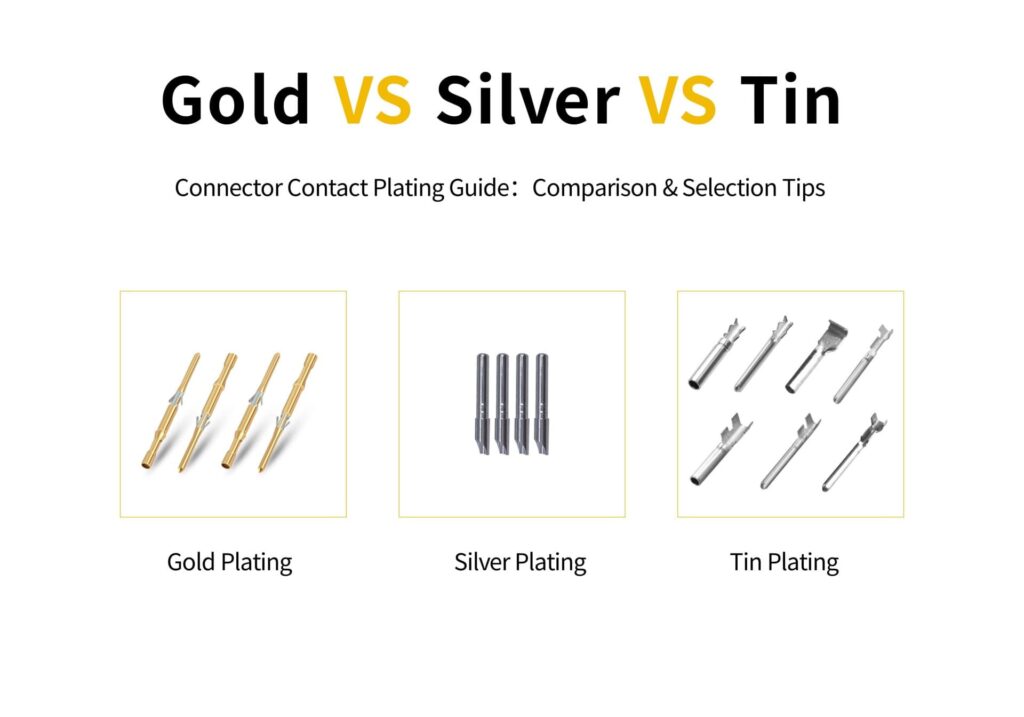
The real strength of a waterproof receptacle is often hidden in the small details. Standard cable specs, smart color coding, selective tin and gold plating, and careful model-by-model tuning all help build a more reliable product. For outdoor Photocontrol systems, these details are not cosmetic. They are part of what keeps the light working when heat, rain, dirt, and time start putting pressure on the system.
Comparative Analysis And Wiring Guide For NEMA 3-Pin Vs. 7-Pin Receptacles
NEMA 3-pin receptacles are the practical choice for simple automatic street lighting. NEMA 7-pin receptacles are built for smart control, dimming, and sensor-ready expansion.
If your project is staying basic, keep it simple and dependable with 3-pin. If your project needs smarter control—or will need it soon—7-pin is the better foundation.
Analysis Of Differences Between Long-Join JL-240XA, JL-240TXA, And JL-260C Sockets In The Israeli Market
Still unsure which socket to pick for your next tender or pilot?
A simple way to decide is to match one question to each project:
● Need flexible sealing inside varied luminaires?
Choose JL-240XA when you have mixed housing designs, legacy die-cast parts, or you want on-site freedom to adjust gasket placement.
● Need fast, consistent builds at scale?
Choose JL-240TXA when you are manufacturing or installing in volume and want integrated gaskets, simpler assembly, and consistent IP performance across the whole line.
● Need external mounting and easy service on poles and brackets?
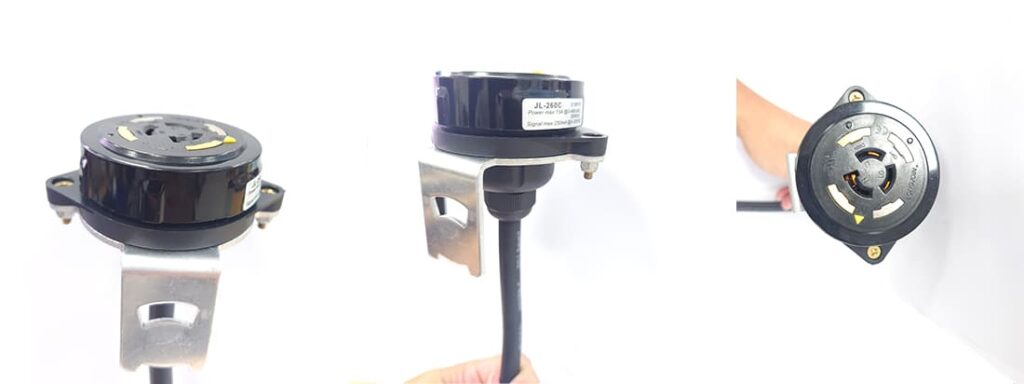
Choose JL-260C when you work on complex poles, high masts, or retrofits where external, cable-type sockets save time and avoid intrusive mechanical changes.
Compare Differences Between UM-240 And JL-240XA
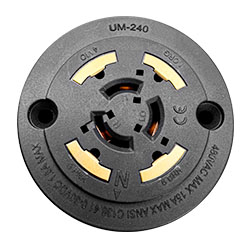
If you view the socket as a long-term infrastructure component, JL-240XA is the safer “install it once and forget it” option for demanding, high-visibility projects. When the business case is still developing, or certification demands are more flexible, UM-240 gives you a smart-ready, budget-friendly photocontrol receptacle that can grow with your outdoor photocell light sensor strategy.
In both cases, designing around the NEMA 7-pin interface keeps your luminaires open for future upgrades — from simple dusk to dawn photocell nodes to full controller intelligent lighting platforms with remote diagnostics.
Comparative Analysis Of Long-Join Photocontrol Receptacles: 3-Pin, 5-Pin, And 7-Pin
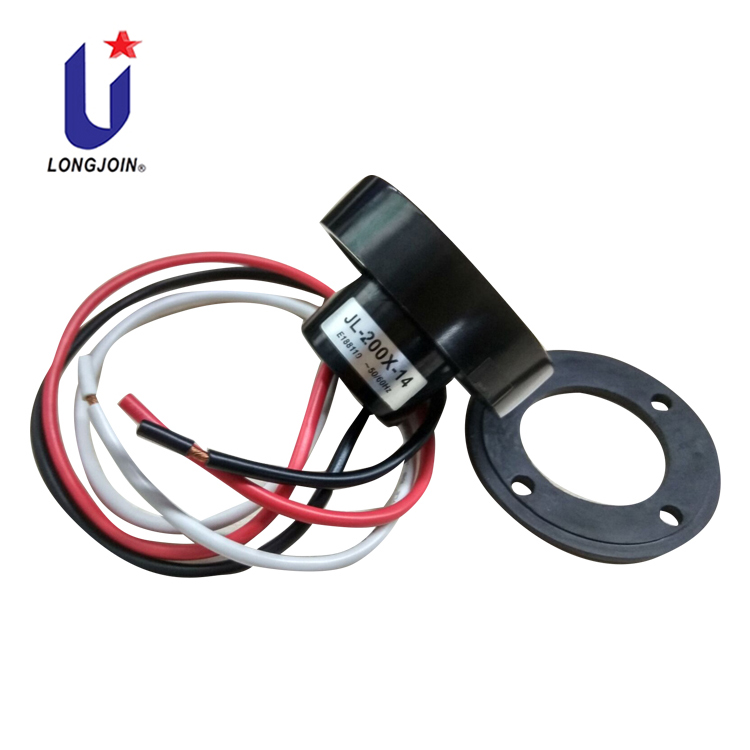
3-pin, 5-pin, and 7-pin receptacles are not rivals. They each match a different control level in use.
●3-pin handles robust on/off switching.
●5-pin adds 0–10 V dimming with little extra complexity.
●7-pin opens the door to smart, data-driven photocell control and city-scale optimization.
When you match your project’s control plan to the right interface, everything else gets easier. Wiring, setup, and performance are simpler.
Powering Smart Streetlights: Why Long-Join’s UL2733 Receptacle Cable Sets the Industry Standard
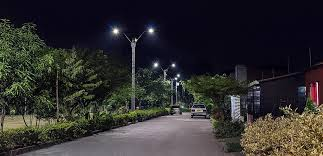
Most people never see the UL2733 cable, but without it, a smart streetlight cannot think, communicate, or respond. It connects every part of the system and keeps the lamp stable for years. Long-Join built this cable for one purpose — to make street lighting smarter, safer, and more connected.
JL-241J NEMA Receptacle Material Deep Dive: Why Modified PBT + Glass Fiber + UV Stabilizer Is the Real Coastal Shield
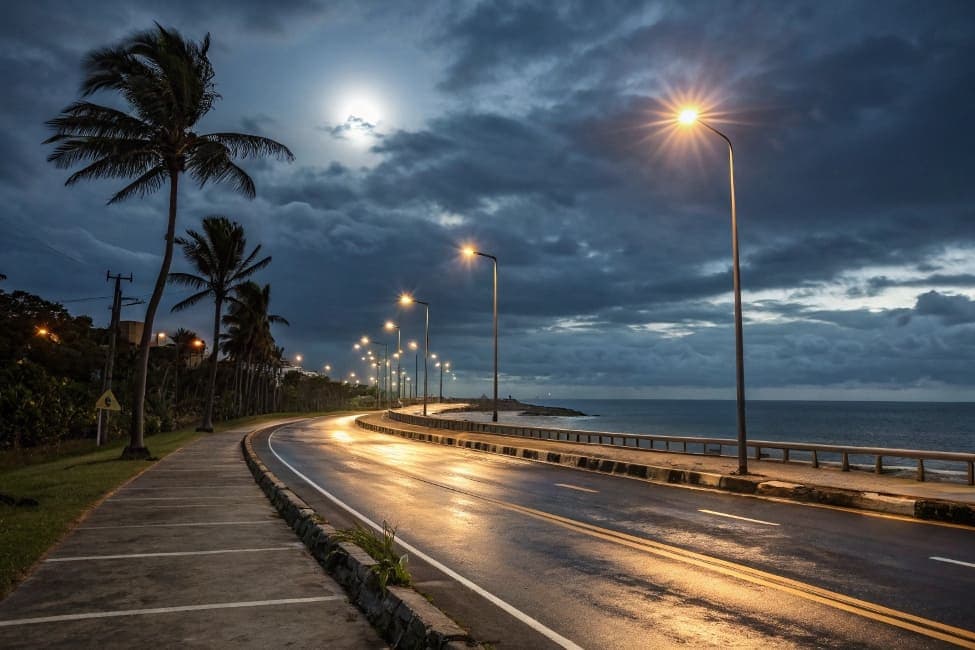
Coastal lighting is not forgiving, and plain PBT cannot survive it. That’s why the JL-241J uses a reinforced material recipe built for UV, salt spray, humidity, and long-term mechanical stress. Modified PBT with glass fiber and UV stabilizer gives engineers confidence that their photocontrol and photocell hardware will stand strong for over a decade.
Miglioramento dell'affidabilità dell'illuminazione stradale esterna: innovazione di processo e impermeabilità della presa a 3 pin della serie JL200
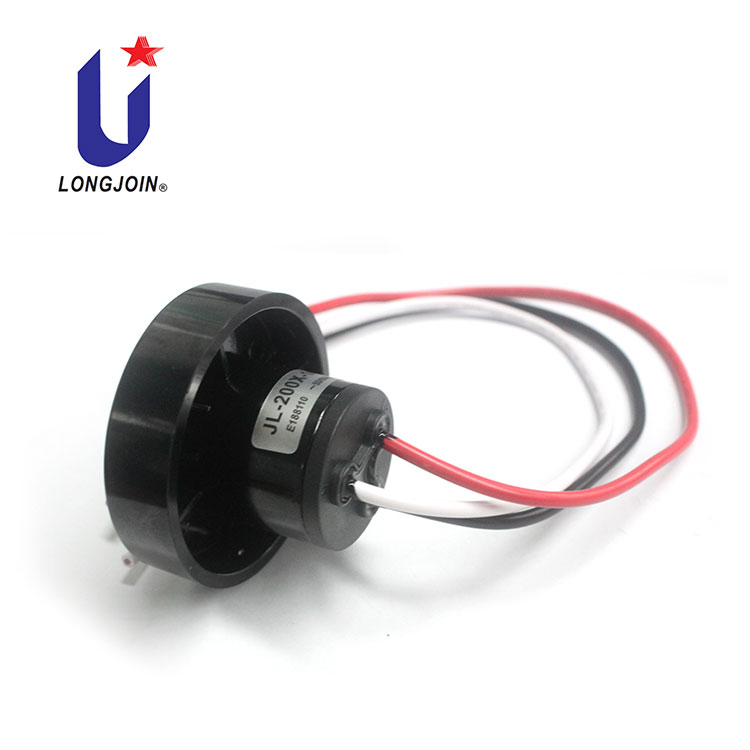
Quando si tratta di illuminazione per esterni, ogni componente è importante. La presa a 3 pin della serie JL200 dimostra quanto un design attento possa avere un impatto sull'affidabilità del sistema e sulla sicurezza dell'utente.
It has strong waterproofing and fights off corrosion. Its smart alignment and built-in fit work with photocell street lights. It’s not just about performance. It’s about lasting value and trust.
Con Long-Join, il controllo dell'illuminazione non è solo tecnico, ma mirato.
 Italian
  English
  Russian
  Spanish
  Portuguese
  Arabic
  Japanese