

Do Photocontrols Support Different Voltages (12V, 24V, 120–277V) And Their Application Scenarios Analysis?
Not every lighting project runs on the same power supply. Some street lights use standard mains voltage. Some solar systems use 12V DC. Others use 24V for a little more power while still keeping the system low voltage.
That is why voltage matching matters so much when choosing a photocell or photocontrol. A control that fits the wrong voltage can fail early, switch badly, or simply not work the way the project needs. Long-Join’s JL-205 series is built around this exact need, with versions for 120–277V AC, 12V DC, and 24V DC.
A good photocell switch is not only about turning lights on at dusk and off at dawn. It also has to match the system’s power source, safety needs, and installation setting. In real jobs, that means the right model depends on whether the site is a municipal road, a solar street light, a garden line, or a low-voltage landscape project.
Why Does Voltage Matter So Much In A Photocontrol?
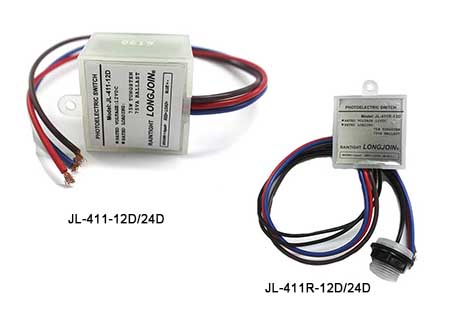
Voltage affects load capacity and use case. The JL-205 series page lists the JL-205C at 120–277 VAC with 1000W / 1800VA loading, while the JL-205-12D is listed at 12 VDC with 75W / 75VA, and the JL-205-24D at 24 VDC with 150W / 150VA. That tells you right away that these are not random variations. They are meant for different system sizes and different power setups.
What Is The JL-205C Standard Voltage Version Used For?
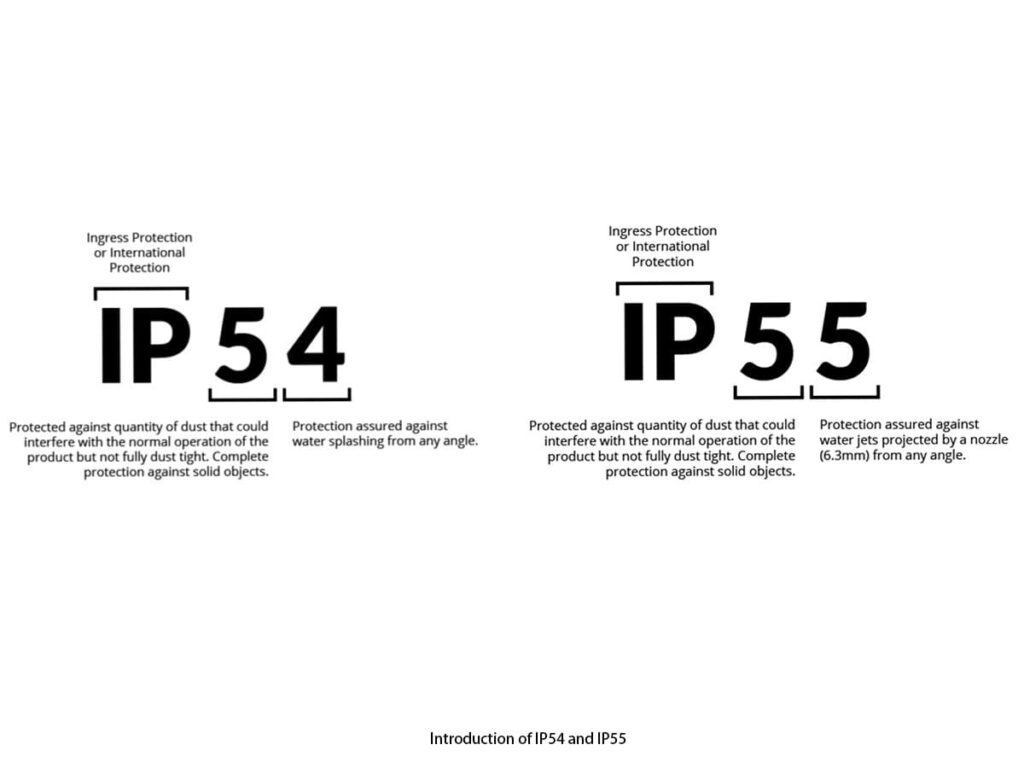
The JL-205C is the standard version for common mains-powered lighting jobs. Long-Join lists it for 120–277 VAC use and describes it as suitable for street lighting, garden lighting, passage lighting, and doorway lighting. The broader JL-205 series page also places it in municipal and campus lighting, calling it an economic and affordable option for North America and other universal AC uses.
Voltage Type | Why It Is Used | Main Benefit | Common Lighting Examples |
12V DC | Fits small low-voltage systems | Better safety and easy battery use | Solar street lights, garden lights, decorative lighting |
24 V CC | Fits medium low-voltage systems | More power than 12V, but still safer than mains voltage | Landscape lighting, commercial outdoor lighting, industrial decorative lighting |
120–277V AC | Fits standard mains-powered systems | Works well for large public lighting networks | Municipal street lights, road lighting, campus lighting |
This makes the JL-205C a practical fit for public roads, campuses, and other everyday outdoor lighting where the power source is stable AC mains. In simple words, it is the model for the jobs most people picture first when they think of a photocell for street light. It handles automatic switching without adding the extra design limits that come with battery or solar systems.
Another reason it works well in these projects is that the design is already mature. Long-Join lists features such as fail-on mode, built-in MOV options, environmental adaptation from -40 to +70 °C, and housing options that support IP54, IP65, O Protezione IP67, depending on the version.
Why Would Someone Choose The JL-205-12D 12V Version?
The 12V version is made for low-voltage DC systems. Long-Join’s JL-205 series overview lists the JL-205-12D as a 12 VDC model and places it in solar and battery systems that are common in off-grid street lights. That already tells you where it shines: projects where the power supply is smaller, safer, and often not tied to the main grid.
This matters because many solar and decorative systems are built around 12V DC. In those settings, using a matching photocell sensor 12v model keeps the whole design simpler. It also helps reduce electrical shock risk compared with standard mains voltage. For gardens, decorative poles, or small off-grid roads, that extra safety is one big reason low-voltage controls are useful.
Where Does The JL-205-24D Fit Best?
The JL-205-24D gives a middle ground between very small low-voltage systems and full mains-powered lighting. Long-Join lists it at 24 VDC with 150W / 150VA loading, which gives more capacity than the 12V version. That makes it better for medium-sized low-voltage systems that need more output without moving into standard AC mains.
In real projects, that can mean industrial landscape lighting, medium-sized decorative lines, and other outdoor systems where 24V is already used for power distribution. A 24V photocontrol can help balance safety and useful output. It still keeps the project in a lower-voltage range, but it supports more load than a 12V setup.
Long-Join’s low-voltage model guide also explains that the JL-205 low-voltage series works well when one central low-voltage power supply runs several light fixtures together. That is a helpful way to think about the 24V version. It is not only safer than mains power in some settings. It also fits projects that need a little more strength and flexibility.

Why Are Low-Voltage Photocontrols Needed At All?
Low-voltage photocontrols exist because not all outdoor lighting jobs should use mains voltage. Some projects are built around solar panels, batteries, or compact DC power systems from the start. In those cases, a standard 120–277V control is the wrong tool.
Long-Join’s JL-205 series page clearly separates low-voltage DC lighting from North America and universal AC lighting, which shows that these are different application paths, not just different labels.
Low-voltage controls also support newer energy setups. Solar and battery-powered street lights are a common example. Long-Join directly associates the JL-205-12D and JL-205-24D with solar and battery systems, especially in off-grid street lights. So when a project is moving toward energy-saving outdoor systems, a low-voltage sensore fotocellula is often the more natural fit.
How Do These Different Voltage Models Compare?
The quickest way to see the difference is in a simple table.
Modello | Rated Voltage Range | Main Application Scenarios | Safety Level | Typical System Types |
JL-205C | 120–277V AC | Municipal street lights, campus lighting, public outdoor lighting | Standard mains safety | General AC-powered lighting systems |
JL-205-12D | 12V DC | Solar street lights, off-grid lighting, small decorative lighting | Higher low-voltage safety | 12V DC battery or solar systems |
JL-205-24D | 24 V CC | Landscape lighting, medium-sized outdoor systems, low-voltage commercial lighting | Higher low-voltage safety | 24V DC powered systems |
This comparison reflects Long-Join’s published voltage ranges, load levels, and application notes for the JL-205 family.
How Should You Choose The Right JL-205 Model?
Start with the power supply. If the project runs on standard AC mains, the JL-205C is the clear match. If it runs on 12V DC solar or battery power, the JL-205-12D makes more sense. If the system uses 24V DC and needs more capacity than a 12V setup, the JL-205-24D is the better fit. Matching voltage first helps avoid many common selection mistakes.
Then think about the installation scene. For a city road or public fixture, the standard AC version is usually the practical answer. For a small off-grid light or compact solar setup, the 12V model is easier to match.
For a stronger low-voltage layout in landscape or commercial outdoor use, 24V offers a better balance. In other words, the best photocell control is the one that fits both the power source and the job site.
Conclusione
Yes, photocontrols do support different voltages, and that matters more than many buyers first expect. Long-Join’s JL-205 family shows this clearly with one standard 120–277V AC version and low-voltage options for 12V DC and 24V DC. Each one fits a different kind of lighting system, from municipal roads to solar and landscape projects.
Link esterni:
●https://www.sciencedirect.com/topics/engineering/ac-main-supply
●https://www.electricalcounter.co.uk/articles/what-is-ip54?srsltid=AfmBOoq9imEKS9G6VgVIDbRiJvp5ggK1TPsJOH7tDDRC5POQztinB_yi
●https://www.onlogic.com/blog/what-does-ip65-mean/
●https://www.trentonsystems.com/en-gb/blog/ip67-rating


 Italian
  English
  Russian
  Spanish
  Portuguese
  Arabic
  Japanese