
Analysis And Recommendation Of LED Barn Lights And Long-Join Photocontrols JL-205C, JL-403C, And JL-103A
Introducir
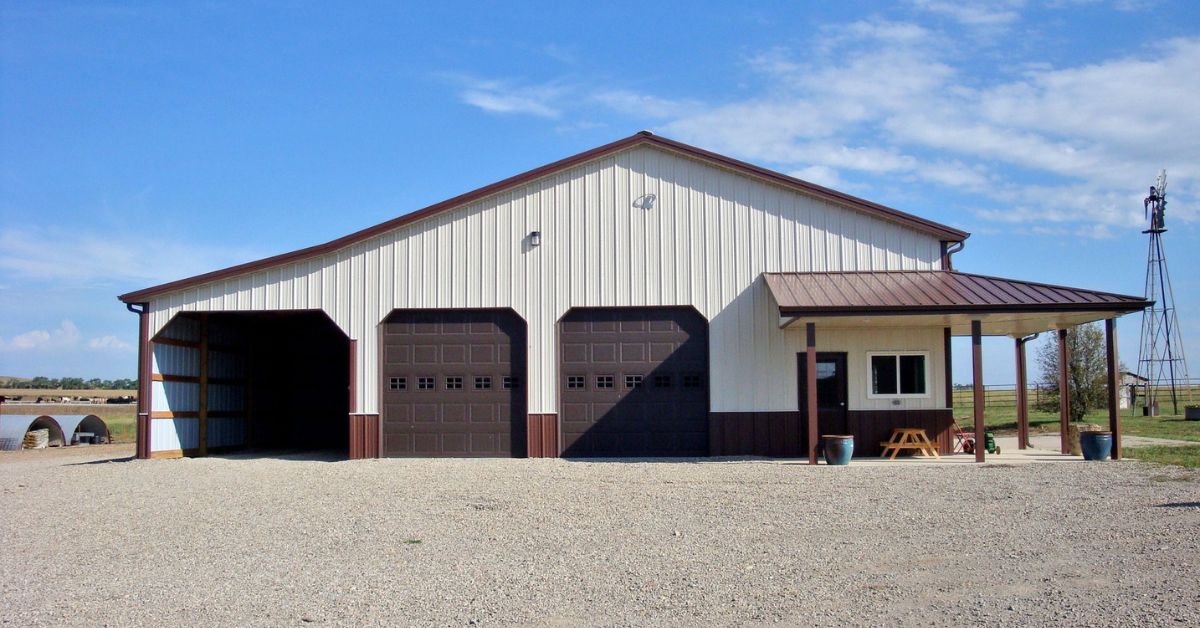
Barns and farm warehouses need bright lights.
They also need lights that can take dust, heat, and daily wear. And they should be simple to use every day. Most farms use a mix of outdoor lights. You’ll often see yard lights, wall-pack lights, and flood lights. Many farms also use classic “barn lights” on poles or on building corners. The goal is simple. Keep the walkways safe. Protect the animals. Make night work easier.
That’s why LED barn lights are now the go-to choice. LEDs use much less power than old bulbs. They also last longer, so you don’t have to replace them as often. A lot of LED barn lights are made for outdoor use. They can handle bad weather, so rain and dust are less of a concern.
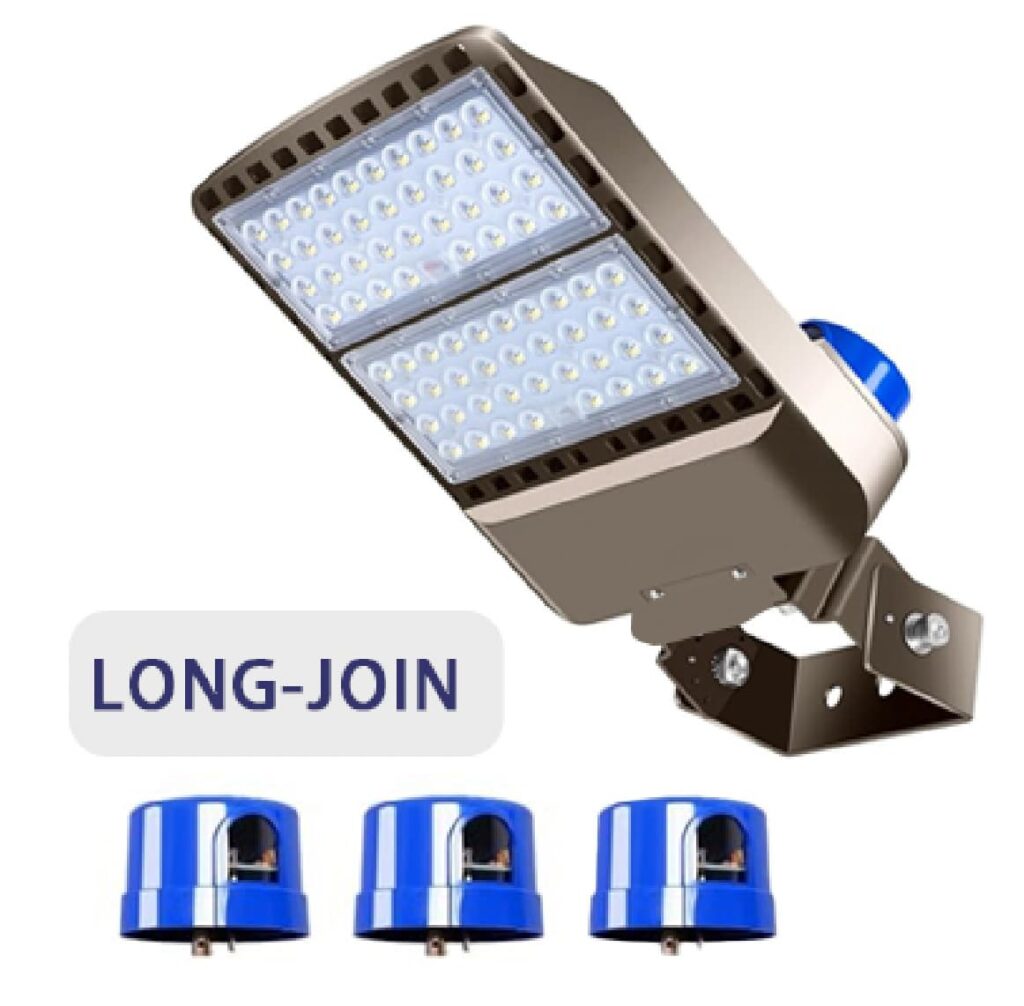
The last step is control. A good photocell, also called a day-night sensor, turns the light on at dusk and off at dawn. It happens on its own, so you don’t have to think about it.
What Types Of Barn Lights Are Common, And Why Does The “Right Fit” Matter?
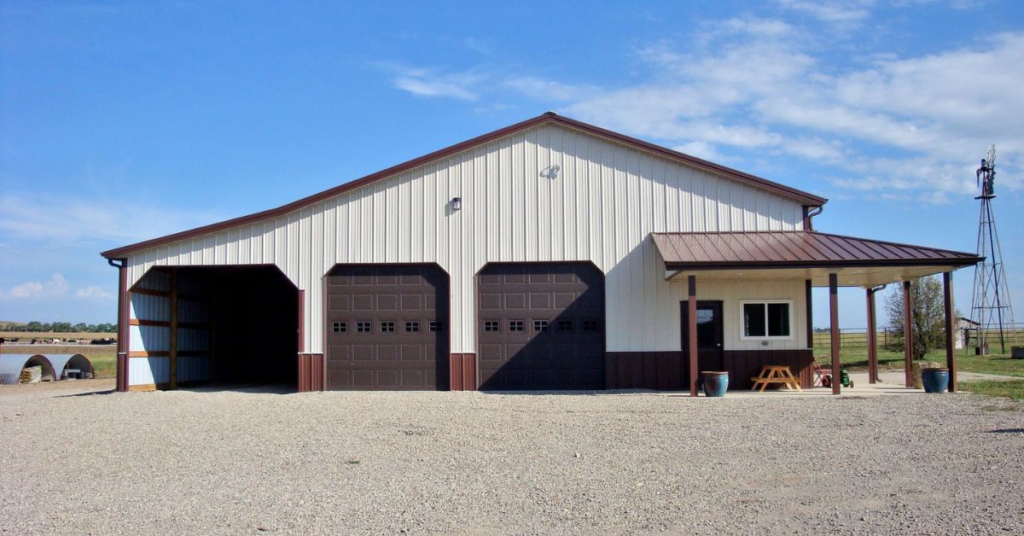
Most barn and warehouse setups fall into a few common types:
- Wall-mounted barn lightsfor yards, gates, and building corners
- Area/flood lightsto cover wider spaces like loading zones
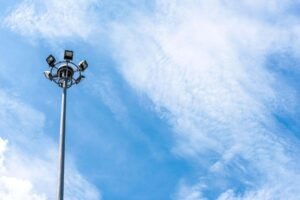
- Pole barn lightingfor large compounds or farm roads
- Doorway and passage lightsfor safety near entrances
The “right fit” matters because a light that is too small leaves dark spots, while a light that is too large wastes power and can cause glare.
How Do You Classify LED Barn Lights By Power, Voltage, And Build?
Most hardwired LED barn lights are built to run on AC power (not solar, not battery). Many models accept a wide input like 110–277V, which is helpful when farms have different supply setups.
They are also often made with aluminum housing for heat control and strength, and many outdoor models target weather protection ratings like IP65 (dust-tight and protected against water jets).
Here’s a simple way to think about barn light power classes.
Simple Barn Light Power Guide (Practical Field Use)
Barn Light Power Range | Mejor para | What You’ll Notice |
40–60W | Residential yards, small barns, short driveways | Enough light for safety and daily movement |
80–150W | Medium barns, work areas, loading points | Wider spread, brighter work visibility |
200–300W+ | Large pole barns, wide compounds, farm roads | High coverage, better for tall mounting |
Why Should You Add A Photocontrol Instead Of Leaving The Light On Manually?
Manual switching sounds easy—until it isn’t.
People forget. Workers come in late. Rain starts. Someone leaves the light running all day. That’s wasted energy and wasted money.
A Photocontrol solves this in the simplest way. It uses a light sensor (a photocell sensor) to “read” outdoor brightness. When the daylight drops, it turns the light on. When morning comes back, it shuts the light off. Long-Join describes this dusk-to-dawn behavior clearly for its photocontrol products.
This kind of control supports energy-saving habits without needing discipline. LEDs are already efficient, and pairing them with an automatic switch tightens the savings even more.
What Is JL-205C, And When Is It The Best Match For Barn Lighting?
If you are working with bigger fixtures, higher mounting, or a wider lighting footprint, you usually want a photocontrol that can handle demanding outdoor use and common farm voltage ranges.
Long-Join’s JL-205C twist-lock photocontrol is built for automatic control based on natural light levels. Long-Join also positions twist-lock photocontrols as suitable for barn lights and other outdoor fixtures, because installation is fast and the setup is made for real outdoor conditions.
What makes JL-205C feel “farm-ready” in real life?
- It’s commonly used in outdoor lighting where weather and long run time are normal.
- Twist-lock mounting makes replacement easier when the unit is on a pole or high point.
- Long-Join also publishes durability-focused content around JL-205C testing, which signals attention to load cycling and long-term switching.
What Is JL-403C, And Why Do Many Projects Use It For Everyday Outdoor Lights?
Some farms do not need the “biggest” controller. They need something reliable for normal yard lighting, medium barns, and common outdoor fixtures.
Long-Join describes the JL-403C as a photoelectric switch. It turns the lights on and off by itself.
It does this by sensing how bright it is around it. When it gets dark, it turns the light on. When it gets bright again, it turns the light off.
This makes JL-403C a strong “middle option” for many barn setups—especially where you have several medium fixtures around entrances, storage zones, and fence lines.
Why JL-403C fits so well in the middle
- It’s aimed at common outdoor lighting use cases (passage, doorway, and general outdoor lighting).
- It is widely recognized and easy to deploy because the idea is straightforward: automatic on/off based on light level.
What Is JL-103A, And When Should You Choose It Instead Of “Bigger” Models?
You just need stable dusk-to-dawn switching on standard voltage.

Long-Join explains JL-103A as a photocontrol that automatically controls passage and doorway lighting according to ambient light level, and it also notes it fits many fixture types—including LED barn lights.
Why JL-103A works well for small jobs
- It targets simple, everyday lighting control.
- It is a cost-aware choice when you want automation, but your fixture setup is not huge. (A small yard does not need an oversized controller.)
How Do You Match JL-103A, JL-403C, And JL-205C To Real Barn Light Setups?
This is where many buyers get stuck: they look at product names, not the site reality.
So use a simple matching rule:
- Start with your barn light wattage and how wide your coverage is
- Think about mounting height and weather exposure
- Choose a controller that fits that “load and environment”
Quick Matching Guide For Barn And Warehouse Lighting
Your Lighting Situation | Best Photocontrol Choice | Por qué funciona |
Small yard, small barn, single doorway light | JL-103A | Simple dusk-to-dawn control for basic setups |
Medium barn, several outdoor fixtures, general farm perimeter lights | JL-403C | Balanced option for common outdoor lighting control |
Larger lighting coverage, pole-top installs, higher exposure and easier swap needs | JL-205C | Twist-lock style suits outdoor projects and barn light applications |
How Do NEMA Sockets And Photocontrol Receptacles Make Installation Easier?
If you want fast maintenance, the connection system matters.
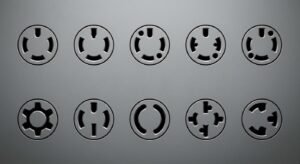
A twist-lock photocontrol usually pairs with a photocontrol receptacle (often called a Receptáculo NEMA). Long-Join explains that NEMA receptacles connect the light controller and the lamp, including NEMA 3-pin, 5-pin, and 7-pin options depending on the system needs.
For many outdoor lighting systems, the interchangeability and testing requirements are covered in standards like ANSI C136.10 for locking-type photocontrol devices and mating receptacles.
Simple View Of “Why The Socket Matters”
Part | What It Does | Why It Helps On A Farm |
Fotocontrol | Turns lights on/off based on outdoor brightness | No daily switching, fewer mistakes |
Receptacle / NEMA socket | Provides the twist-lock connection point | Faster replacement, cleaner installs |
If you are building new fixtures or upgrading older setups, Long-Join’s receptacle and connector pages can help you choose the right interface type.
Conclusión
LED barn lights work best when they are sized correctly and controlled automatically. Use wattage and site size to pick the fixture, then use a photocontrol to remove the daily switching problem.
- Choose JL-103A for small barns and yard lights.
- Choose JL-403C for medium barns and general outdoor lighting.
- Choose JL-205C for larger setups where twist-lock convenience and outdoor fit matter.
When you match the light, the controller, and the socket system, you get safer nights, lower waste, and lighting that “just works.”
Enlaces externos:
●https://en.wikipedia.org/wiki/AC_power
●https://www.onlogic.com/blog/what-does-ip65-mean/
●https://www.se.com/ng/en/faqs/FA156527/
 Spanish
  English
  Russian
  Portuguese
  Arabic
  Japanese
  Italian