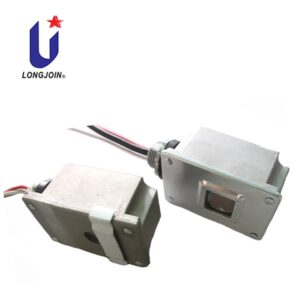
Comparative Analysis Of High-Temperature Wire Photocell JL-103AG And Standard JL-103A
Introduzir
If you’ve ever replaced a photocell switch after only a short time, heat is often part of the story. Wires sit close to hot drivers, metal housings, and sealed fixtures that trap warm air. That’s where JL-103AG and JL-103A feel similar on the outside, but behave very differently when the job gets tougher.
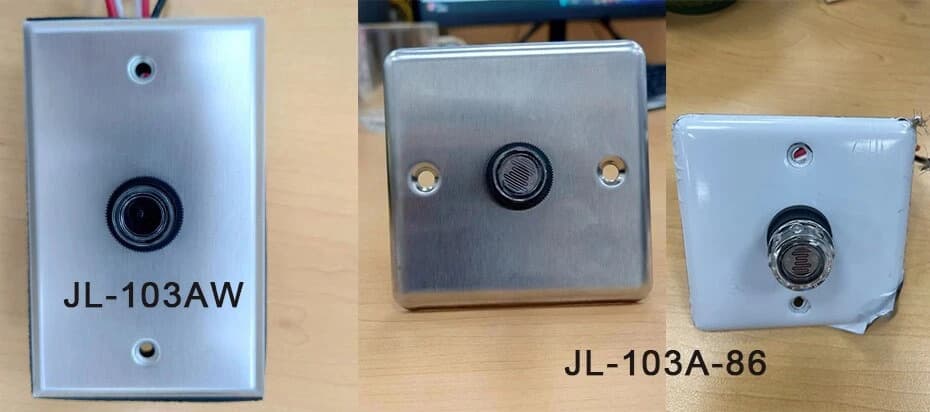
Both models are Long-Join button-style wired photocontrols designed to turn lights on and off based on ambient light (dusk-to-dawn). But JL-103AG is built for higher load and higher wire temperature, while JL-103A fits lighter, everyday use.
What Do JL-103AG And JL-103A Actually Do In A Lighting System?
UM fotocélula is like the “eyes” of your outdoor light. When daylight drops, the unit switches the light ON. When daylight returns, it switches the light OFF. That’s the basic idea behind a sensor fotocélula do anoitecer ao amanhecer.
In real projects, this matters for simple reasons:
- You don’t want lights burning all day.
- You want stable switching without babysitting timers.
- You want the lighting control to stay consistent across seasons.
If you’re new to this button-style series, Long-Join also shows the broader lineup and where JL-103 models sit in it.
How Do The Key Parameters Compare Side By Side?
Here’s the cleanest way to see the difference. Both units use 120VAC, have low power consumption, and share similar light trigger ranges—but the rated load is not in the same class.
Parameter Comparison Table: JL-103AG vs JL-103A
Parâmetro | JL-103AG | JL-103A |
Tensão nominal | 120 VCA | 120 VCA |
Max Power Consumption | 1.5W Max | 1.5W Max (often listed ~1.2W on Long-Join pages for JL-103A series summaries) |
Maximum Load | 1800W / 1100VA | 500W / 850VA |
Light Trigger Level | 10–20Lx Turn-On / 30–60Lx Turn-Off | 10–20Lx Turn-On / 30–60Lx Turn-Off |
Modo de falha | Fail ON | Fail ON |
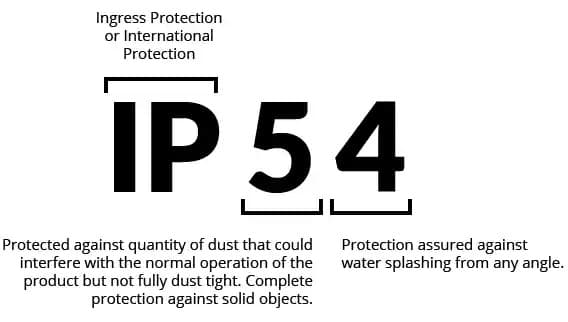
Classificação de proteção | IP54 | IP54 |
Other Protection Features | None listed | None listed |
Why Does High-Temperature Wire Matter More Than People Think?
Many outdoor fixtures run hotter than you expect—especially when you pack drivers, wiring, and a sensor into a tight space. Heat doesn’t always “burn” a wire right away. It slowly hardens insulation and makes it crack over time. Once insulation weakens, you get nuisance failures.
JL-103AG uses 16 AWG wire rated for 150°C (often referenced with UL AWM high-temperature wire types). That wire rating is a big deal when the photocontrol sits near hot components or in sealed housings.
To make that 150°C rating more concrete: UL’s AWM Style 3321 information lists 150°C temperature rating for that insulation style.
So the simple takeaway is:
- JL-103Ais fine when heat is normal and loads are light.
- JL-103AG is safer when heat is higher and loads are heavier, because the wire is built for it.
If Both Are IP54, Are They Equally Protected Outdoors?
They both list IP54, which is helpful for real-world outdoor installs—but it’s not the same as “waterproof forever.”
IP54 generally means:
- Limited dust ingress protection (not dust-tight),
- Protection against splashing water from any direction.
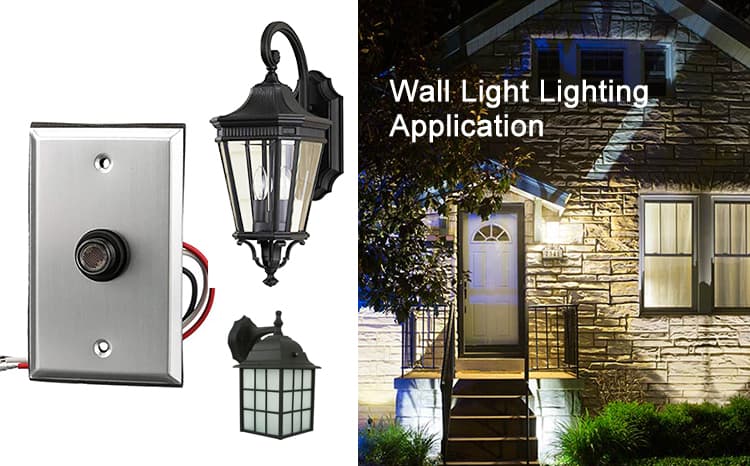
That fits common outdoor wall packs, eaves, gate lights, and sheltered poles. But if your fixture sits in heavy direct spray, flooding risk, or you expect constant water jets, you should consider higher IP levels for the full assembly—not only the photocontrol.
Long-Join also describes their sealing approach in product line summaries and the included accessories (plate + hood) that help reduce direct rain impact.
Do They Share The Same Accessories And Sealing Setup?
Yes. In practice, installers care about two small things that save time:
- Mounting hardware that matches common fixtures
- A rain hood / cover that reduces false triggers (like light bouncing off a shiny wall)
Both JL-103AG and JL-103A are commonly paired with:
- an aluminum mounting panel,
- a rain hood,
- a sealing ring approach meant to resist dust and rain splash.
That means your decision usually isn’t about “what comes in the box.” It’s about load and heat.
Where Does Each Model Fit Best In Real Projects?
Here’s a simple way to think about it: the model choice should match your load level, heat level, and risk level.
Typical Use Fit Table
Your Situation | Better Fit | Why |
Small wall packs, porch lights, garden spotlights | JL-103A | 500W class load is often enough, simpler everyday use. |
Commercial wall packs, higher watt fixtures, heavier ballast loads | JL-103AG | Higher rated load (1800W / 1100VA) gives more headroom. |
Hot housing, tight sealed fixture, hot driver near wiring | JL-103AG | 150°C high-temp wire reduces aging risk. |
Basic residential installs with normal temps | JL-103A | Cost-effective and widely used in common area lighting. |
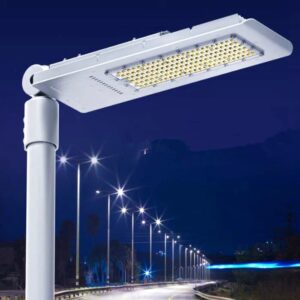
If you’re building a photocell for street light setup, the biggest mistake is choosing by “voltage” alone. Two units can both be 120VAC, yet one will struggle when the load is high or the wiring runs hot.
Long-Join’s wire-in controller category is useful here because it calls out the JL-103AG high-temp wire and rated loading directly.
What Common Problems Does The High-Load Option Help You Avoid?
Installers usually upgrade from JL-103A to JL-103AG after they see one of these issues:
“It Works… Until Peak Heat Season”
Summer heat plus enclosed fixtures can push wiring stress up. A higher-temp wire option helps the unit survive longer in that environment.
“The Load Was Just Too Much”
A 500W-rated unit can fail early if the actual connected load is higher, or if inrush and ballast behavior is rough. That’s why load headroom matters for stability.
“We Want Less Maintenance Visits”
In industrial areas and public lighting, every truck roll costs money. Picking the right photocontrol early helps reduce repeated replacements.
If you want a practical install checklist and positioning tips (like avoiding reflected artificial light), Long-Join has a JL-103 installation guide that’s written in straightforward steps.
Conclusão
If you want the simplest conclusion:
- JL-103A is a solid choice for normal residential or light commercial installs where load is modest and heat is not extreme.
- JL-103AG is a safer choice when you need it to handle a higher load. It also works better when there’s more heat around the wiring, which is common in heavier outdoor lighting and tough conditions.
Both can switch your lights from dusk to dawn. But only one stays steady when the work gets hotter and heavier. That’s what protects your controle de iluminação long-term.
Links externos:
●https://en.wikipedia.org/wiki/Photoelectric_sensor
●https://www.anixter.com/en_us/resources/literature/wire-wisdom/understanding-and-identifying-ul-awm-styles.html
●https://en.wikipedia.org/wiki/Ballast


