
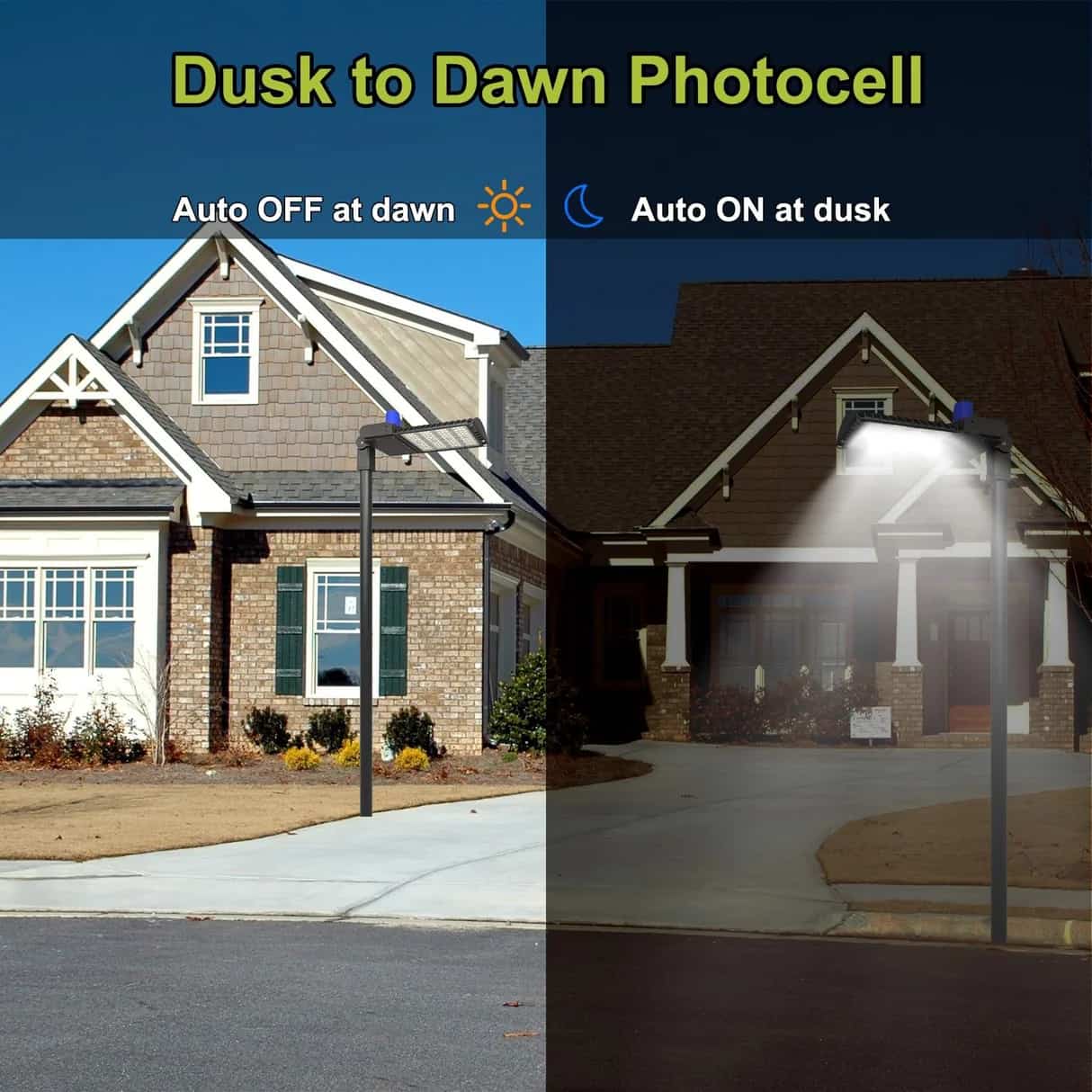
Which International Certifications Require UV Stabilizer Addition In Photocell Housings?
Introducir
A photocell housing lives outside. Forever, basically.
Sun beating on it every day. Rain. Dust. Temperature swinging up and down. The plastic has to survive UV damage for years, or the whole thing falls apart.
No UV protection? Plastic fades. Turns yellow. Gets brittle. Cracks. Once that happens, the housing stops protecting whatever’s inside it.
UL 773, UL 1598, UL 746C, ENEC, ANSI C136.10 — all these standards deal with outdoor durability. Here’s the thing though. None of them just say “add UV stabilizer” and call it done. They test the finished product instead.
Why Does A Photocell Even Need UV Protection?
Seen an old plastic box outside that’s faded and cracking? That’s years of sun doing its thing.
UV radiation wrecks plastic slowly. For a photocell, this matters because the housing protects the electronics, the wiring, the sensing parts, the seals — everything.
Housing weakens, water gets in. Cracks form around the base or the clear window. Eventually the photocell stops switching accurately. Or stops working at all.
Damage | What Happens | Efecto |
Yellowing | Color changes | Light sensing gets thrown off |
Brittleness | Housing weakens | Cracks more easily |
Surface cracks | Openings form | Moisture gets in |
Seal damage | Won’t close right | Electronics exposed |
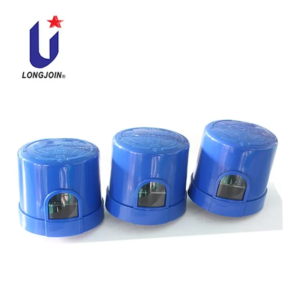
Long-Join’s JL-205 Series uses outdoor-oriented housing materials specifically for this reason. Weather protection isn’t optional for street lighting.
Does UL 773 Actually Require UV Stabilizer?
Straight answer? No.
UL 773 cares about photocontrol safety and operation, not plastic recipes. Doesn’t tell you what percentage of UV additive to mix in. Doesn’t hand you a formula.
What it does check — can the finished photocontrol operate safely under real outdoor conditions? That’s the actual concern.
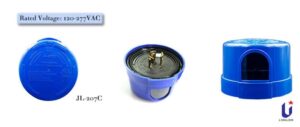
Long-Join’s JL-207C is built for exactly this — outdoor use, UL 773 and ANSI C136.10 compliant. Not because someone followed a UV additive checklist. Because the finished product survives sunlight, heat, rain, temperature swings.
The additive name doesn’t matter to UL 773. Whether the product actually holds up outdoors does.
What About UL 1598?
Is UL 1598 even a photocell standard?
Not exactly. It’s a luminaire safety standard — covers the whole fixture, not just the photocontrol. But when a photocell sits directly on that fixture, and the plastic around it weakens or cracks or loses its seal, the whole lighting system gets affected.
UL 1598 doesn’t demand a specific UV stabilizer either. Just requires materials suitable for the actual application. Which brings up UL 746C — that’s where plastic gets properly tested for outdoor performance.
So What Does UL 746C Actually Do?
Ever notice a product labeled “plastic” tells you nothing useful about outdoor survival?
UL 746C fixes that gap. Tests polymeric materials used in electrical products. For outdoor stuff, both UV exposure and water exposure get evaluated. Pass those tests and the material earns an outdoor-use rating — something like f1.
That rating means something. Way more than a manufacturer just claiming “UV resistant” on a spec sheet.
Test | What It Shows |
Exposición a los rayos UV | Does sunlight weaken it |
Water exposure | Does moisture mess with performance |
Mechanical testing | Does strength hold up |
Outdoor rating | Is it actually suitable outside |
Adding UV stabilizer is one common way manufacturers pass this test. But the additive itself isn’t the point — the test result is.
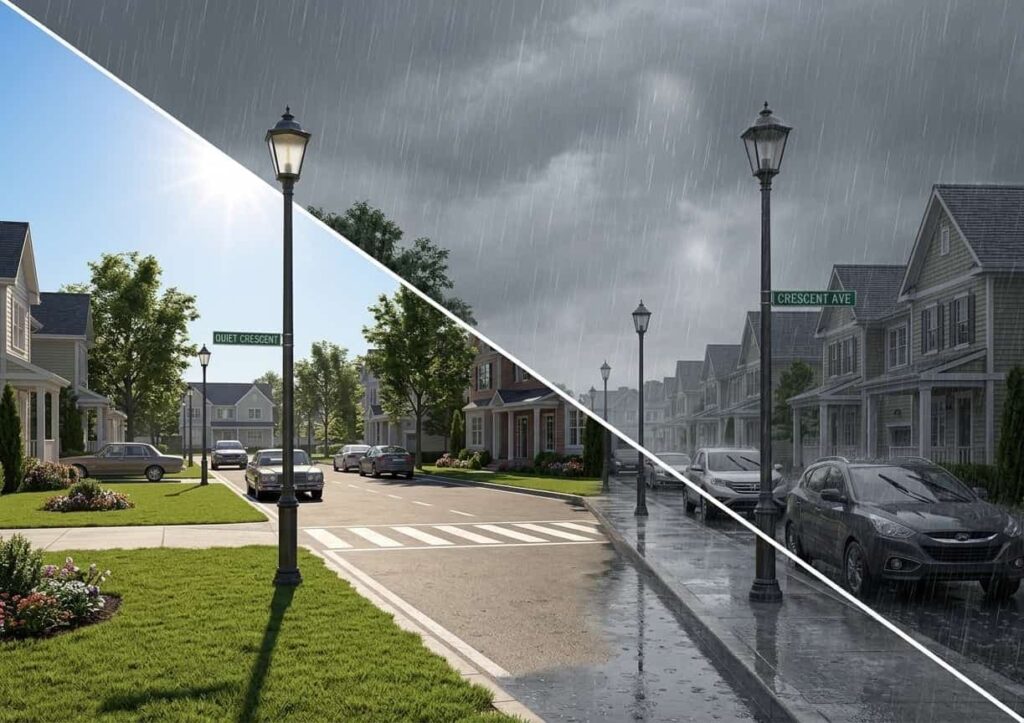
Does ENEC Have A Fixed Formula?
Nope.
ENEC certifies electrical and lighting products for the European market. Products get tested by an independent body against applicable safety standards. For outdoor lighting, that usually means the EN 60598 family.
A dusk-to-dawn photocell for European outdoor use needs materials built for long-term exposure. ENEC doesn’t publish “every housing must contain X percent UV stabilizer.” Durability is the actual requirement. Manufacturers pick UV-stable plastic and prove it through testing.
Which Standard Actually Covers Weathering Directly?
ANSI C136.10. That’s the one.
Covers locking-type photocontrol devices, mating receptacles, related components used in roadway and area lighting.
These things stay outside for years, so weathering performance genuinely matters here. Testing checks whether the housing keeps working after real outdoor exposure.
Estándar | Enfocar | UV Additive Required? |
UL 773 | Photocontrol safety | No |
UL 1598 | Luminaire safety | No |
UL 746C | Plastic material suitability | No fixed formula |
ENEC | European certification | No universal rule |
Norma ANSI C136.10 | Photocontrol performance | No fixed formula |
None of them hand you a recipe. All of them care whether the product survives.
How Do Manufacturers Actually Pick The Right Material?
Do all outdoor plastics perform the same? Obviously not.
Polycarbonate’s popular for housings — strong, impact resistant. But not every PC grade is outdoor-grade. Big difference. Manufacturers need to pick materials with proven UV resistance, usually containing UV stabilizers or other additives that slow sunlight damage down.
Don’t forget the clear window either. Yellows or clouds up, and less light reaches the sensor. Switching accuracy drops.
What To Check | Why |
Housing resin | Outdoor UV rating |
Clear window | Resistance to yellowing |
Sealing area | Strength after aging |
Impact strength | Resistance to cracking |
Test reports | Proof, not just claims |
Ask for test reports. Don’t just trust the words “UV stabilized” printed on a datasheet.
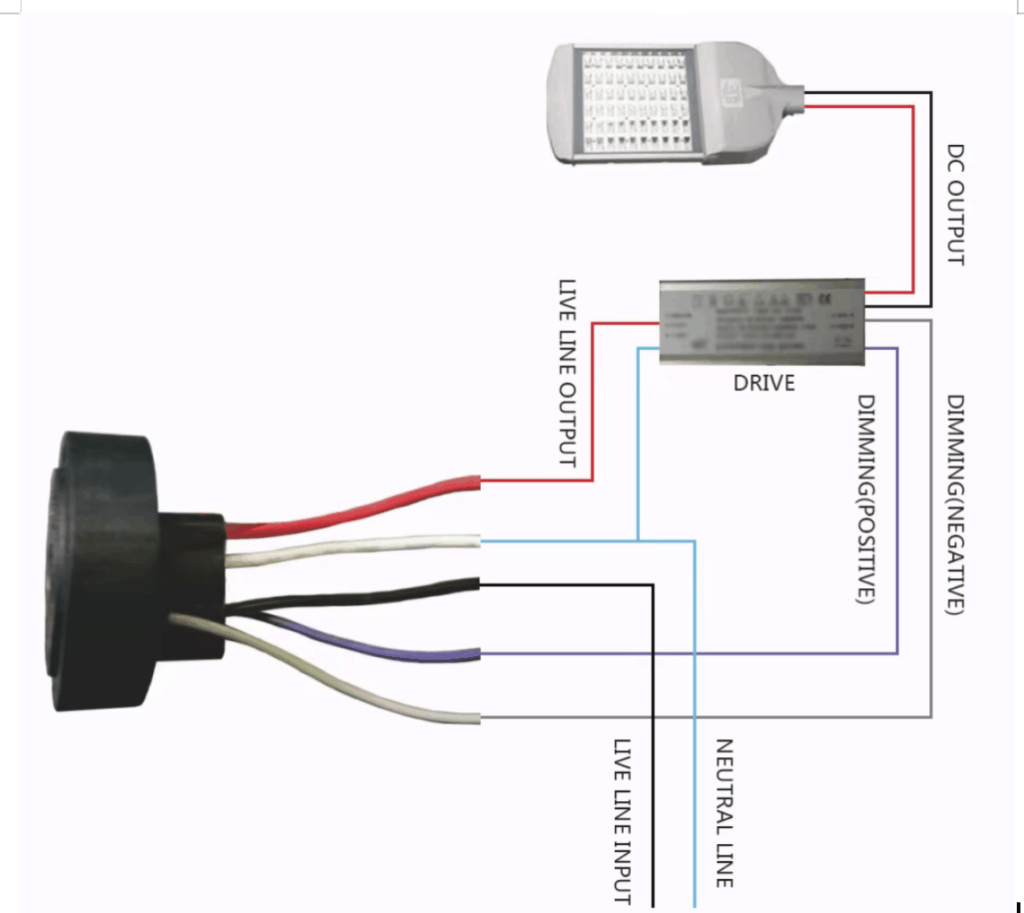
Why Does This Actually Matter Long-Term?
Photocell works great fresh out of the factory. Outdoor products need to keep working for years though.
Bad UV resistance weakens the housing slowly. Doesn’t show up in month one. Shows up later — small cracks, loose seals, yellowing, water finally getting in.
One failed photocell means a lamp stuck on during the day or dark at night. Multiply that across hundreds of street lights and now it’s a real maintenance and energy problem. Not theoretical anymore.
Long-Join’s Twist-Lock range gets built with this in mind — outdoor products designed for street and roadway lighting specifically.
Preguntas frecuentes
Slows sunlight damage. Helps plastic keep its strength, color, shape outdoors instead of degrading in a year or two.
Not directly. Just requires outdoor products and materials to stay safe for their intended use, however manufacturers achieve that.
Tests whether polymeric materials handle UV and water exposure. Real test data, not marketing claims.
No. Focuses on photocontrol safety and operation, not a particular plastic formula.
ANSI C136.10 — built specifically for locking-type roadway and area-lighting photocontrols.
Conclusión
UV stabilizers matter. They help célula fotoeléctrica housings survive years of sunlight without falling apart.
But the standards don’t hand you a formula. They care about tested performance. So manufacturers pick UV-resistant materials, protect the sensing window, keep the sealing solid, and actually verify performance through proper testing — not just slap “UV stabilized” on a label and hope.
Good material choice is one of the simplest ways to keep a photocell working long after installation.
Enlaces externos:
●https://www.ul.com/services/understanding-ul-746-series-standards
●https://www.ul.com/sites/default/files/2024-10/CS604906_UL_1598_5th_edition_Brochure_EN_Final.pdf
●https://www.enec.ae/
●https://www.shopulstandards.com/ProductDetail.aspx?UniqueKey=30842
 Spanish
  English
  Russian
  Portuguese
  Arabic
  Japanese
  Italian