
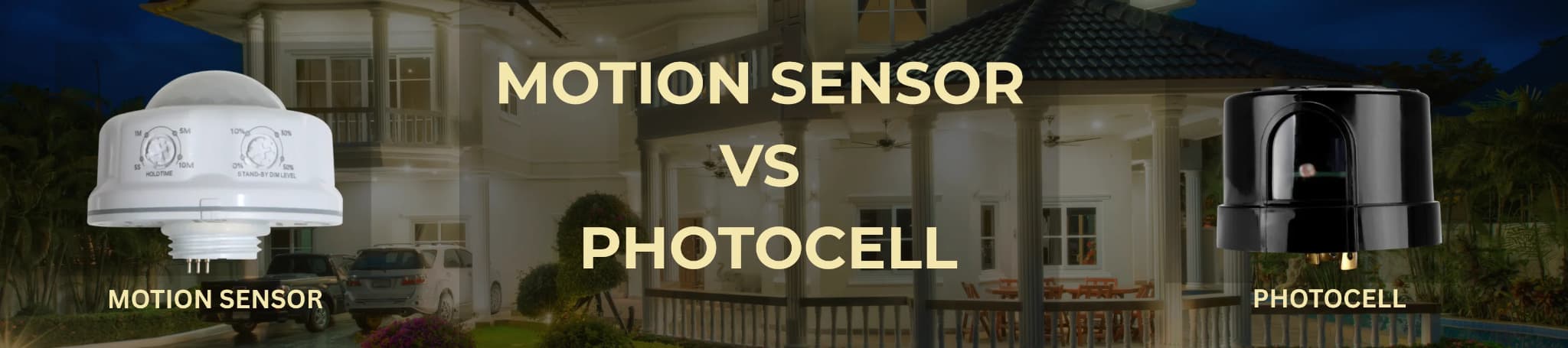
The Difference Between Photocells And Motion Sensors In Outdoor Lighting
يقدم
Outdoor lights should save power. But they should still help keep people safe. This is why automatic control matters. Two common options are photocells and motion sensors.
A photocell reads outdoor brightness. It turns the light on when the sky goes dark. It turns it off when daylight comes back. A motion sensor detects movement. It can sense a person, car, or object.
For outdoor projects, the best choice depends on the place. It comes down to what it needs each night.
How A Photocell Works
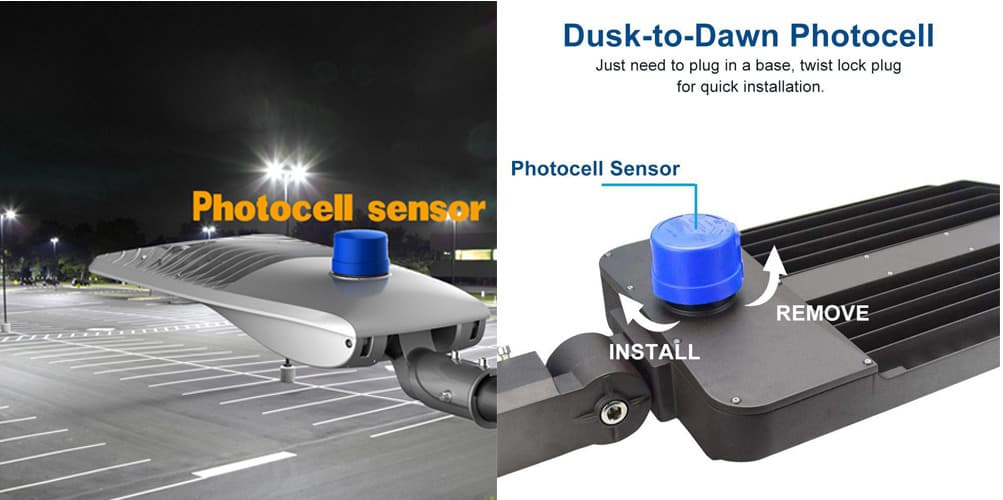
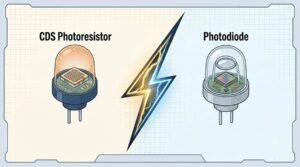
Most photocells use parts such as a phototransistor. Some use a photodiode. These parts sense changes in light. When the light gets bright again, the lamp shuts off. It goes dark. When the light gets bright again, it switches the lamp off.
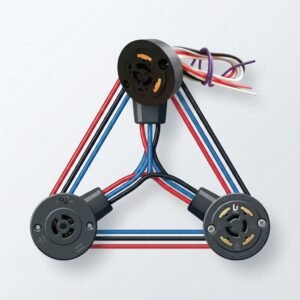
Long-Join has many photocontrol options for this kind of use. These include JL-205C, JL-207C, JL-103A، و JL-403C. These products control lights. They turn them on at dusk and off at dawn.
ميزة | الخلية الضوئية |
Main Trigger | Outdoor light level |
Common Action | On at dusk, off at dawn |
أفضل استخدام | All-night lighting |
Detects Movement | لا |
Common Areas | Streets, parking lots, yards, walkways |
Motion Sensors In Outdoor Lighting
Do you only need light when someone enters an area? A motion sensor may fit better. It turns the lights on when movement is detected. After a set time, the light turns off again.
Motion sensors help reduce waste because the lamp does not stay at full brightness all night.
The common types are PIR and microwave sensors. PIR sensors notice body heat changes while microwave sensors send out signals and read changes when something moves.
The Difference Between A Motion Sensor And A Photocell
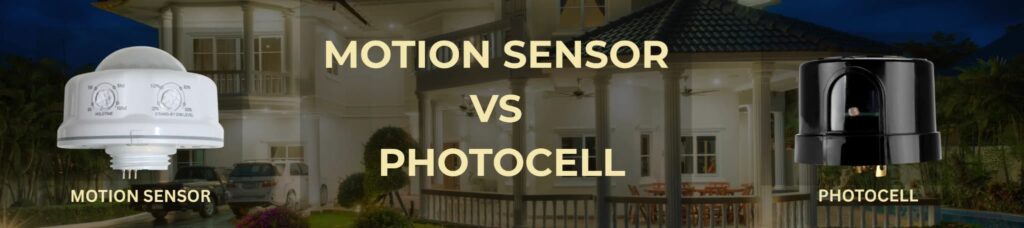
The main difference is the trigger. A photocell reacts to light. A motion sensor reacts to movement.
This changes the whole lighting plan. A photocell gives stable night lighting. A motion sensor gives temporary lighting. So, if a road needs steady visibility all night, a motion sensor alone is not enough. But if a storage gate only needs light when someone arrives, a motion sensor can work well.
غرض | Photocell Switch | Motion Sensor |
Trigger | Ambient light | Movement |
Working Style | Continuous at night | Temporary activation |
Main Strength | Reliable dusk-to-dawn control | Saves energy in low-use spaces |
Weak Point | Does not detect people | Not ideal for full-night roads |
أفضل ملاءمة | Municipal and commercial outdoor lighting | Security and entrance lighting |
Where Photocells Work Best
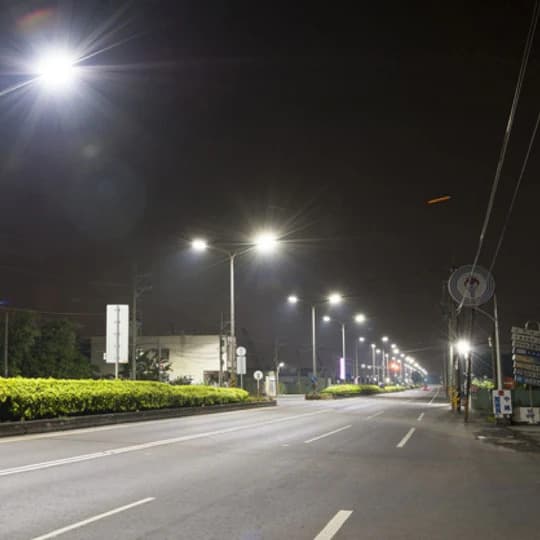
Are you lighting a place that must stay safe and visible all night? Choose a photocell.
These areas need steady light, not sudden on and off switching. Drivers, guards, workers, and pedestrians should not wait for motion before they can see.
This is why photocell street light control is common in city projects. The system is simple. The light turns on at dusk. It stays on through the night and turns off in the morning. For many buyers, that is the safest and easiest plan.
Where Motion Sensors Work Best
Do you want light only when there is activity? Choose a motion sensor.
Motion sensors work well for garages, small pathways, building entrances, private homes, security walls, loading corners, and low-traffic zones. In these places, the light does not always need to stay bright.
Why Photocells Are More Common In Municipal Lighting
Have you noticed that most city lights do not wait for movement before turning on? There is a reason.
Municipal lighting needs steady coverage. Roads and bridges must stay easy to see at night. So must parking lots and public walkways. The light may come on only when a car or person moves. That can leave dark gaps. That can affect safety.
A light sensor control system is also easier for large networks. It gives a clear schedule based on natural daylight. This reduces manual work and makes maintenance easier for city teams.
How A Hybrid Photocell And PIR Sensor Meets Both Needs
Do you need stable night control and extra energy savings? A hybrid design can help.
LONG-JOIN JL-723A1 combines dusk-to-dawn sensing with PIR motion detection. This means the system can know when it is night, then adjust brightness based on movement. The lamp may stay in a low-power mode during quiet hours. When people or vehicles pass, the brightness rises.
This outdoor photocell sensor works well in smart parking lots and community roads. It also suits quiet commercial areas and energy-saving security lights.
نوع النظام | All-Night Control | Motion Boost | توفير الطاقة | أفضل استخدام |
Photocell Only | نعم | لا | جيد | Streets and parking lots |
Motion Sensor Only | لا | نعم | Very Good | Entrances and security zones |
Hybrid JL-723A1 | نعم | نعم | Very Good | Smart outdoor lighting |
Common Mistakes Buyers Make
The first mistake is thinking motion sensors can fully replace photocells. They cannot do this well where all-night lighting is needed. The second mistake is thinking that photocells detect people or cars. They do not. They only detect light changes. The third mistake is choosing a control device without checking the site.
Before buying, ask simple questions. These questions help you avoid the wrong product.
Choosing The Right Outdoor Lighting Control
Are you buying for a real project and not just comparing product names? Start with the purpose.
Choose a photocell when the site needs dusk-to-dawn lighting. Choose a motion sensor when the site only needs light during movement. Choose a hybrid unit when you want both stable night control and smart energy savings.
For Long-Join buyers, products like JL-205C and JL-207C fit classic photocell control. Button types like JL-103A and JL-403C fit compact fixture needs. For smarter control with sensing, JL-723A1 is a better direction.
خاتمة
Photocells and motion sensors both help. But they do different jobs.
For roads and parking lots, photocells work better. They stay more stable outside. Motion sensors work well at entrances. They also help in garages and security areas. For smarter lighting, a hybrid solution like LONG-JOIN JL-723A1 gives both night control and motion-based energy savings.
الروابط الخارجية:
●https://en.wikipedia.org/wiki/Motion_detector
●https://en.wikipedia.org/wiki/Passive_infrared_sensor
●https://www.nyseg.com/smartenergy/efficiencyresources/municipallighting

 Arabic
  English
  Russian
  Spanish
  Portuguese
  Japanese
  Italian