Top 10 Photocell Suppliers in the USA (2025 Update)
Представлять
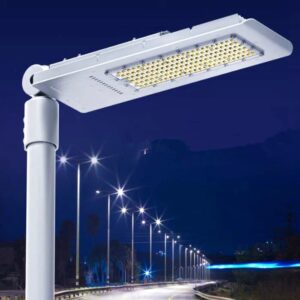
When you plan a street lighting project in North America, most people focus on the fixture. They look at the LED chip or the driver first. But in real life, one small part can decide everything. It can make the whole system steady, or make it fail too soon. That part is the photocell.
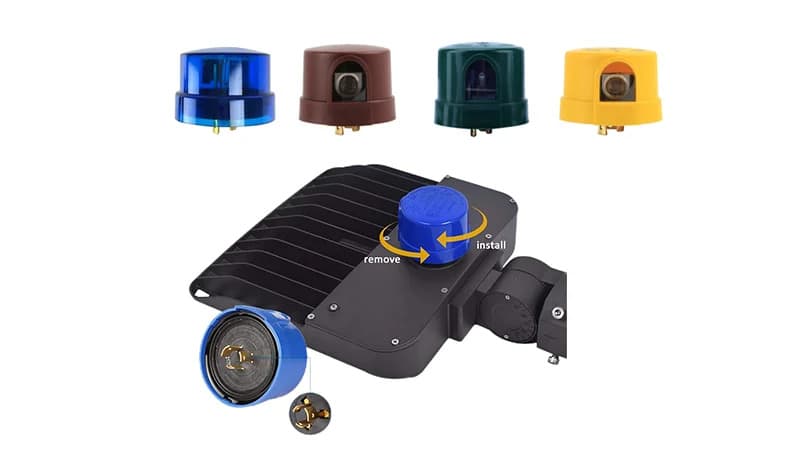
A photocell tells a street light when to switch on at dusk. It turns the light off again at dawn. But its role goes far beyond simple switching. A well-designed street light photocell guards against voltage surges. It helps keep drivers safe. It also cuts maintenance costs. And it keeps the whole lighting network steady for years.
For manufacturers, EPC contractors, and city buyers, picking a photocell partner is more than a purchase. It’s a technical choice that affects how the system works. This guide breaks down the Top 10 Photocell Suppliers in the USA (2025) and explains what each supplier is best suited for — plus a proven alternative many U.S. brands already rely on.
Why Does the Photocell Matter So Much in Street Lighting Projects?
A lot of lighting failures get blamed on the driver or the LED. But the real problem often starts at the photocell sensor.
A street light photocell sits outside all day and night. It takes the full hit from heat and rain. Moisture can creep in, too. Lightning surges and shaky grid voltage can also stress it. If a photocell sensor fails, the lights can act weird. They may flicker, stay on in daylight, or stop working at all.
In large outdoor street lighting projects, even a small fault can spread quickly. They add up across many lights.
A reliable photocell helps ensure:
- Accurate dusk-to-dawn switching
- Stable signal output to the driver
- Protection against surge and transient voltage
- Lower truck-roll and maintenance costs
The photocell on a street light is small, but it matters a lot. It can affect the entire lighting system.
What Standards Define a Qualified Photocell Supplier in the USA?
Not every light sensor photocell is suitable for North American road lighting.
To be accepted in municipal and utility projects, suppliers must comply with several technical and safety standards.
Key standards include:
Стандарт | What It Covers |
ANSI C136.10 | NEMA twist-lock photocell interface |
ANSI C136.41 | NEMA 7-pin smart controller interface |
UL773 / UL773A | Safety for photoelectric control devices |
IP65 / IP66 | Environmental protection |
Surge rating (10kA–20kA) | Grid and lightning protection |
Suppliers without these certifications may charge less upfront. But with time, they can turn into real risks. This hits EPCs and OEM buyers the hardest.
Who Are the Top Photocell Suppliers in the USA in 2025?
Here’s a clear, buyer-first breakdown. It’s technical, not hype.
1. TORK / NSi Industries (USA)
TORK, under NSi Industries, is one of the most recognized names in U.S. photocontrol history.
Their dusk to dawn photocell products are widely used in municipal and commercial installations.
Strengths:
- Strong UL-certified NEMA product line
- Trusted brand in U.S. electrical distribution
- Proven long-term reliability
Limitations:
- Higher unit cost
- Long lead times for bulk orders
- Minimal OEM customization
TORK is best suited for projects where brand familiarity is prioritized over flexibility.
2. Fisher Pierce / Acuity Brands (USA)
Fisher Pierce is often considered the original pioneer of ANSI photocontrol technology.
Their photocell control solutions are engineered primarily for utility-grade roadway systems.
Strengths:
- Deep experience in utility lighting
- Robust surge protection
- Excellent consistency
Limitations:
- High pricing
- Focused mainly on large utility contracts
This supplier is less flexible for mid-sized OEMs or export-focused manufacturers.
3. Intermatic (USA)
Intermatic is a big company that makes timers and control devices. Photocells are also part of what they sell.
Strengths:
- Strong retail and distribution presence
- Stable product quality
- Easy availability
Limitations:
- Basic photocell switch designs
- Limited support for smart lighting systems
Intermatic fits basic lighting control needs but not advanced smart street light controller projects.
4. PEC – Precision Engineered Controls (USA)
PEC focuses heavily on industrial lighting environments.
Strengths:
- Long history in industrial photocontrols
- Durable designs
Limitations:
- Aging product portfolio
- Limited compatibility with modern NEMA 7-pin and Zhaga socket systems
PEC products are reliable but not future-focused.
5. McGill Electrical (USA)
McGill Electrical specializes in niche, high-quality NEMA photocells.
Strengths:
- High-quality manufacturing
- Specialized focus
Limitations:
- Higher pricing
- Limited production capacity
Best for small, specialized orders rather than nationwide rollouts.
6. Morris Products (USA)
Morris Products sells many kinds of electrical parts. Photocells are one of them.
Strengths:
- Конкурентоспособные цены
- Strong distributor network
Limitations:
- Basic light photocell sensor designs
- Limited customization
They serve well as a general supplier, not a technical partner.
7. Fortune Products (USA)
Fortune Products primarily serves wholesalers and general lighting applications.
Strengths:
- Wide availability
- Multiple dusk-to-dawn options
Limitations:
- Not designed for professional street lighting
- Limited surge protection
8. RAB Lighting (USA)
RAB Lighting integrates photocells into their own fixtures.
Strengths:
- Good fixture-level integration
Limitations:
- Not a component supplier
- No OEM photocell offering
RAB is not suitable for manufacturers sourcing standalone photocells.
9. Emerson / Appleton Group (USA)
Appleton focuses on hazardous and industrial environments.
Strengths:
- Heavy-duty designs
- Explosion-proof applications
Limitations:
- Very high cost
- Not optimized for street light photocell use
10. Hubbell Lighting (USA)
Hubbell includes photocells within their luminaires.
Strengths:
- Complete lighting systems
Limitations:
- No dedicated photocell supply
- Limited OEM support
Why Are More U.S. Companies Choosing Long-Join as an Alternative?
While U.S. suppliers dominate locally, many American OEMs quietly source from Shanghai Long-Join Electronics.
Long-Join is not a general electronics factory. It has specialized exclusively in photocell and photocontrol technology for over 20 years.
Key Advantages of Long-Join
Возможность | Преимущество длинных соединений |
Сертификация | UL, CE, ISO |
Ассортимент продукции | NEMA, NEMA 7-pin, Zhaga |
Настройка | Thresholds, housings, logos |
Расходы | 30–50% lower than U.S. brands |
Capacity | Automated mass production |
Приложение | Smart + traditional street lighting |
Long-Join supports:
- NEMA twist-lock photocell
- NEMA 7-контактныйумный контроллер
- Zhaga Book 18 photocell
- Photocontrol receptacle & shorting caps
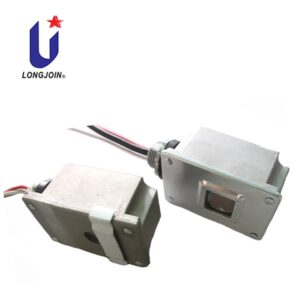
- Wire-in photocontrols (UL773A)
How Should OEM Buyers Choose the Right Photocell Supplier?
Instead of asking “Who is the biggest brand?”, ask:
- Does the photocell match my driver interface?
- Is surge protection sufficient for my grid?
- Can the supplier customize thresholds and housing?
- Are certifications valid for my target market?
A light sensor control failure costs far more than a slightly higher unit price.
Заключение
In 2025, a photocell is not just a basic dusk-to-dawn switch. It does more than turn lights on and off. It matters a lot in today’s street lighting systems. It helps keep them working right. It helps control the lights and protect the system.
U.S. suppliers offer strong local solutions, especially for utilities. For OEMs, EPC contractors, and manufacturers that sell abroad, suppliers like Long-Join make sense. They offer the right mix of certification, customization, fair pricing, and the ability to produce at scale. Many older, traditional brands struggle to match that balance.
Picking the right фотоэлемент supplier today affects everything later. It can make your system reliable, keep you compliant, and help the project last for years.
Внешние ссылки:
●https://www.zgsm-china.com/blog/why-is-a-7-pin-nema-socket-essential-in-streetlight-bids.html
●https://www.zhagastandard.org/index.php?option=com_content&view=article&id=340:zhaga-enables-iot-upgradeable-outdoor-led-lighting-fixtures&catid=22
●https://polluxteam.com/mag/led-chip


