
Button Photocell vs NEMA Photocell: Which Is Better For Your Lighting Project?
Представлять
Photocells are the “brains” behind many outdoor lights. They track daylight and know when your lights should turn on and off. If you choose the wrong type, the lights may flicker. Water may get in. Installation can get harder. The system may also fail when you need it most.
In most projects, there are two main options. There’s button-type, which is direct-wire, and NEMA-type, which uses a twist-lock design. Button photocells are small and simple. NEMA photocells are built for speed, service, and standard fixtures. The best choice depends on your fixture style and voltage range.
What Is A Button Photocell, And Why Do People Still Use It?
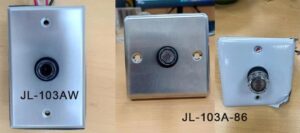
A Button Photocell is a compact photocell that usually comes with leads for direct wiring. It’s often installed inside a fixture or mounted through a small hole with a locking nut. Many contractors like it because it feels straightforward. No twist-lock base is needed. No special receptacle is required.
Button photocells are common in small outdoor fixtures like yard lights, wall packs, and basic security lights. They fit projects where you want simple wiring, and you don’t expect the photocell to be swapped often. If the light is easy to reach, direct wiring can be totally fine.
When button-type makes the most sense
- You’re working with smaller fixtures or simple retrofits
- The fixture does not have a standard twist-lock interface
- You want a compact unit that hides neatly on the fixture body

Which Button Photocell Models Fit Typical Small Outdoor Projects Best?
If you’re handling small or mid-size outdoor lighting, button photocells can cover a lot of ground. The key is matching voltage and load expectations, then choosing a stable fail behavior.
From your outline, these models are commonly positioned like this:
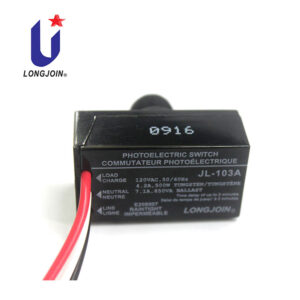
- JL-103A (120V, Fail Off):A practical fit for small security lights and simple yard lighting where a safe “off” failure is preferred.
- JL-403C (120–277VAC, Fail Off):A wider voltage option that fits many standard outdoor voltage environments.
- JL-412C(R) (120–277VAC, Fail Off):Often aimed at commercial-style security lighting where stability matters.
If your project has mixed voltages (or you’re not 100% sure what the site voltage will be), models in the 120–277VAC range reduce surprises during installation.
What Is A NEMA Photocell, And What Makes It Different Right Away?
A NEMA photocell is a twist-lock style unit designed to plug into a matching base on the fixture. That base is often called a photocontrol receptacle. Instead of cutting wires to replace a sensor, you twist the photocell out and twist a new one in. That is the big win.
This design is popular in street and parking lot lighting because it supports faster maintenance. It also fits standard fixture builds used in many municipal and commercial projects. Long-Join’s JL-205C и JL-207 series are described as photocontrols meant to switch lighting automatically based on ambient light levels.
When you see people talk about a NEMA-розетка, they usually mean the standard interface that works with twist-lock photocontrols (and, in many smart-light builds, with multi-pin bases).
Which NEMA Photocell Models Are The Most Common In Street And Parking Lighting?
Two models show up again and again in real projects:
- JL-205C (120–277VAC):Used widely for street lighting, garden lighting, passage lighting, and doorway lighting control, switching based on ambient light.
- JL-207C (120–277VAC):Part of the JL-207 series, also positioned for automatic control of outdoor lighting based on natural light levels.
Why does this matter? Because street and parking projects are not just about “turn on at night.” They also care about weather exposure, service speed, and predictable behavior. A twist-lock unit supports fast swaps when maintenance teams are working from a bucket truck and time is tight.
What Do “Fail On” And “Fail Off” Mean In Real Life?
Fail mode is what the control does if it breaks.
- Ошибка приmeans the light stays on if the control fails.
This is often preferred for roads and parking lots where darkness is a safety risk.
- Fail Offmeans the light turns off if the control fails.
This can reduce wasted energy, and it can be safer for certain small fixtures.
There is no “best” fail mode for everyone. There is only “best for the place.” A quiet backyard path does not have the same risk level as a busy road.
How Do You Match The Photocell To The Project Without Guessing?
Use three simple questions:
- Does the fixture already support twist-lock?
If yes, NEMA-type usually wins for speed and service.
- What voltage will the site use?
If you’re in 120–277VAC territory, many common outdoor controls fit. If your voltage range is wider or uncertain, you must choose a model that clearly supports it.
- What happens if the sensor fails?
For public safety lighting, Fail On is often the safer outcome. For small private lighting, Fail Off is often acceptable.
Also, think about the environment. If the fixture faces heavy rain, dust, salt air, or heat swings, reliability and sealing matter more.
Why Do Many Smart Street Lights Start With A Receptacle Instead Of Direct Wiring?
Because the receptacle becomes the “standard plug point” for upgrades.
In smart lighting builds, the base can support more than just on/off control. Long-Join describes NEMA-style connector products and bases used for future smart control assemblies, including 3-pin, 5-pin, and 7-pin receptacle options.
That means a city can start with a basic dusk-to-dawn control today, then move toward dimming or smart nodes later—without rebuilding the entire fixture head.
If you’re planning for upgrades, starting with a photocontrol receptacle is often the cleanest path.
Which Projects Usually Fit Button Photocells Better?
Button photocells are often the better pick when the fixture is small and the job is straightforward.
They fit well for:
- Yard and garden fixtures
- Basic wall packs
- Smaller security lights where direct wiring is normal
- Projects where replacements will be rare, or the fixture is easy to reach
They also make sense when the fixture design does not include a twist-lock interface and adding one would raise cost or complexity.
Which Projects Usually Fit NEMA Photocells Better?
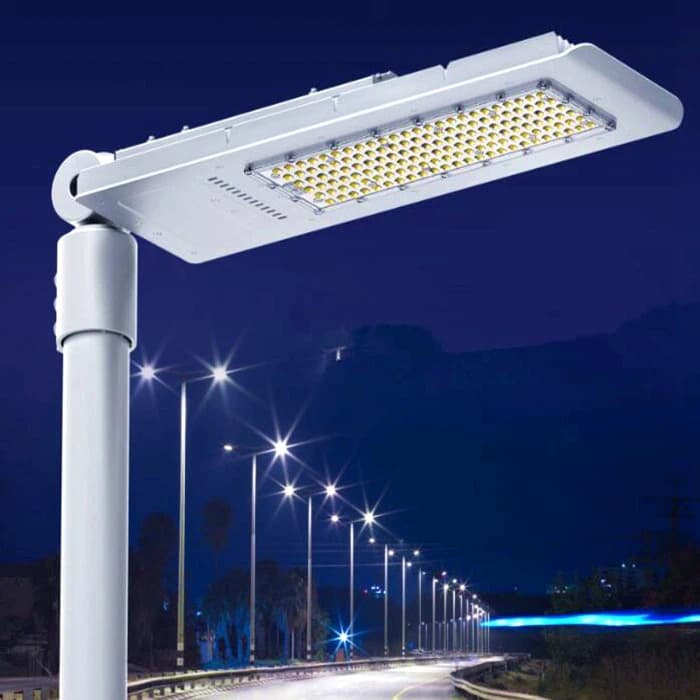
NEMA photocells shine when maintenance speed, consistency, and exposure protection matter.
They fit well for:
- Street and roadway lighting
- Parking lots
- Industrial perimeter lighting
- High-access fixtures where replacing a wired sensor would be slow or risky
They also fit projects where you want a clean “swap in seconds” workflow and standard compliance expectations.
If your goal is a reliable фотоэлементный выключатель setup that crews can service fast, NEMA is hard to beat.
Button Photocell vs NEMA Photocell Comparison Table
Особенность | Button Photocell (Direct Wire) | NEMA Photocell (Twist-Lock) |
Install style | Wired into the fixture | Plugs into a receptacle and twists to lock |
Best for | Small fixtures, simple retrofits | Street/parking/municipal and service-heavy sites |
Обслуживание | Slower swaps, usually needs wiring access | Fast swaps, no rewiring for replacement |
Upgrade path | Ограниченный | Strong (receptacle-based ecosystem) |
Common goal | Simple dusk-to-dawn control | Standard control + easier long-term servicing |
Quick Match Table For The Models In Your Outline
Модель | Operating Voltage Range | Lighting Project Type | Режим отказа | Главное преимущество | Типичное применение |
JL-103A | 120 В | Low-power garden & security | Fail Off | Compact, simple wiring | Small yards, courtyards, small security lights |
JL-403C | 120–277 В переменного тока | Standard outdoor lighting | Fail Off | Wide voltage coverage | Many mid/small outdoor projects |
JL-412C(R) | 120–277 В переменного тока | Commercial security lighting | Fail Off | Built for steady outdoor use | Driveways, garages, commercial security lights |
JL-205C | 120–277 В переменного тока | Street & parking lighting | Ошибка при | Twist-lock convenience | Urban streets, parking lots |
JL-207C | 120–277 В переменного тока | Higher-demand outdoor lighting | Fail Off/On | Series flexibility | Industrial and large outdoor areas |
What Simple Checklist Helps You Pick The Right One Fast?
Here’s a simple, stress-free way to decide:
- If your fixture has a twist-lock base, choose NEMA.
- If your fixture is small and direct wiring is normal, pick Button type.
- If the site is public safety lighting, consider Fail On.
- If the site is private and failure risk is lower, Fail Off can be fine.
- For future upgrades, begin with a receptacle system.
And if you’re setting up a dusk-to-dawn system, place the sensor in the right spot. A dusk-to-dawn photocell sensor needs a clear view of natural light. If it “sees” your own lamp glare, it may cycle on and off.
Заключение
Button photocells work well for smaller direct-wire fixtures. They are easy to install and easy to reach. NEMA photocells work best on streets, in parking areas, and in other busy outdoor spaces. They are easy to replace and fit standard fixtures.
For the easiest upgrade, use a NEMA-розетка with a receptacle-based design. If you need a small control for a small light, a button photocell works well..
Внешние ссылки:
●https://en.wikipedia.org/wiki/Photoelectric_sensor
● https://en.wikipedia.org/wiki/NEMA_connector.
●https://www.electrical-installation.org/enwiki/Definition_of_voltage_ranges
 Russian
  English
  Spanish
  Portuguese
  Arabic
  Japanese
  Italian