
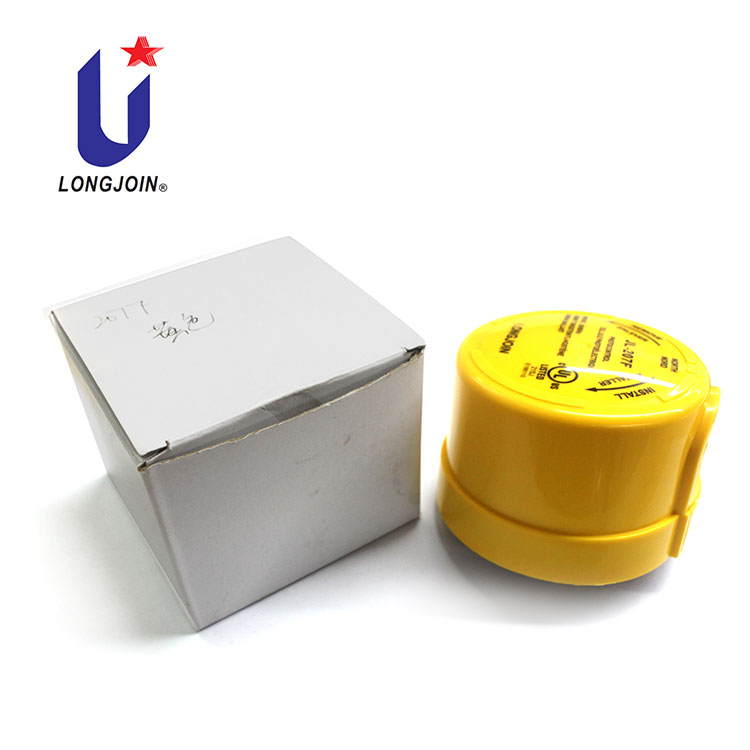
Electrical And Physical Structural Differences Analysis Of JL-215C, JL-215E, JL-205E, And JL-207F
Представлять
In modern lighting control systems, a small part like a photocell can decide whether a street light works smoothly or fails too early. That is why model selection matters. If the voltage range is not right, the load is too heavy, or the sealing is too weak, the whole system can become unstable.
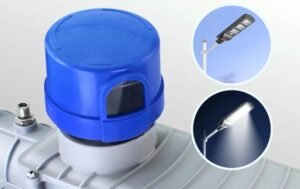
This article gives a simple comparison of JL-215C, JL-215E, JL-205E, and JL-207F. It explains the differences in a clear way. It looks at how they work with power and how they are built. Then it shows what those differences mean in real outdoor use. If you need a photocell switch, a photocell sensor, or a matching photocontrol receptacle for road or area lighting, this guide can help. It will help you choose a safer option.
Why Does Rated Voltage Matter So Much In Real Projects?
One of the first things to check is rated voltage. Many users only look at whether a unit can “work,” but that is not enough. A photocontrol may turn on, yet still perform poorly if the site voltage is outside its ideal range.
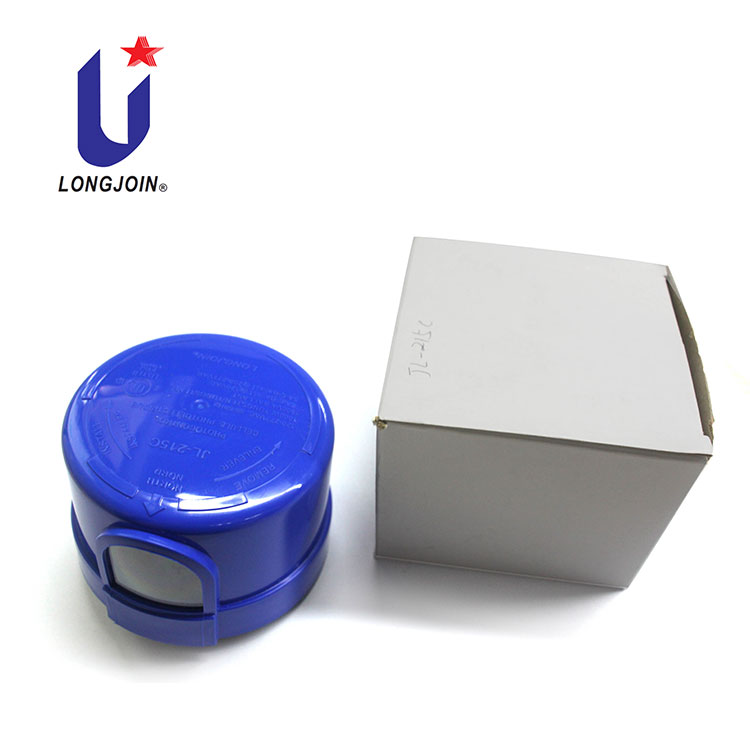
JL-215C and JL-215E are often used in systems that need steady, stable power. They work best where the input must stay predictable. JL-205E and JL-207F are both built for outdoor use. But each one has a different design focus. That can make one a better fit than the other, based on power supply conditions and how the local grid behaves. In simple terms, the right rated voltage helps the photo control respond correctly and last longer.
If a site has frequent voltage swings, choosing a model with better tolerance becomes important. This is common in road lighting, commercial compounds, and older city infrastructure. A mismatch here can lead to false switching, early wear, or complete failure.
Voltage Comparison Focus
Модель | Main Voltage Focus | Best Use Condition | User Impact |
JL-215C | Stable rated input use | Standard outdoor circuits | Reliable basic switching |
JL-215E | Similar stable voltage use | Controlled power environments | Consistent performance |
JL-205E | Wider practical adaptation in many projects | Areas with more varied field conditions | Better flexibility |
JL-207F | Outdoor heavy-duty use focus | Demanding street lighting setups | Stronger field reliability |
A simple rule is this: if the power source is clean and stable, more than one model may work well. But if the site is rough, you should lean toward the model built for broader field demands.
How Do Rated Load And Power Consumption Affect Daily Performance?
A photocell for street light must do more than sense daylight. It must also carry the connected load safely. This is where rated load becomes important. If the connected lamp or driver puts too much load on the unit, the contacts can wear out more quickly. They may also stick or stop working.
JL-215C and JL-215E are practical for moderate lighting loads. They are often enough when the connected fixture setup is simple and the current draw stays within normal limits. JL-205E and JL-207F are usually better choices when a system may face stronger switching demands or more frequent on-off cycles.
Power consumption also matters, even if the numbers are small. Lower self-consumption means less wasted energy over time. In large street lighting outdoor installations, even small savings across hundreds of nodes can add up.
Load And Energy Use Comparison
Модель | Load Handling Focus | Power Use Impact | Лучшее для |
JL-215C | Moderate load | Efficient for regular use | Basic area lights |
JL-215E | Moderate load with steady switching | Low extra system drain | Standard outdoor lighting |
JL-205E | Higher practical load demand | Good balance of control and efficiency | Mixed roadway projects |
JL-207F | Stronger heavy-use support | Built for field durability over long use | Larger road lighting systems |
How Do Light Trigger Thresholds And Fault Modes Change System Stability?
A light sensor is only useful if it switches at the right time. If the light-on level is too low, lamps may turn on too late. If the light-off level is too high, the lamps may shut off too early. That creates user complaints and wastes energy.
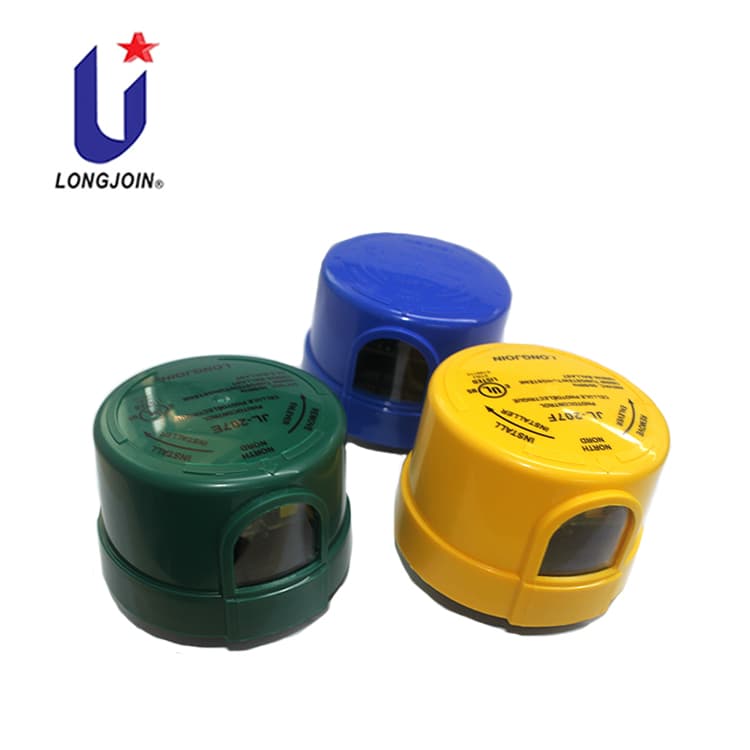
These four models can differ in their trigger settings. Some are designed with tighter control points, while others are built for more forgiving outdoor operation. In the field, this affects how smoothly the lamps respond at dusk and dawn.
Fault mode is another big issue. A fail-on design keeps the lamp on when the control fails. A fail-off design keeps it off. Neither is “always better.” It depends on the project goal.
For road safety, fail-on is often preferred because darkness is the bigger risk. For sites where unwanted daytime lighting is costly, fail-off may be chosen more carefully. This is why the fault response of a photocell lighting sensor should never be ignored.
Trigger And Fault Mode Impact
Особенность | Почему это важно | Practical Result |
Light-on threshold | Decides when the lamp starts | Too late causes dark gaps |
Light-off threshold | Decides when the lamp stops | Too early causes poor morning coverage |
Fail-on mode | Keeps light operating after failure | Better for road safety |
Fail-off mode | Stops light after failure | Better for strict energy control in some settings |
In simple words, the best model is the one that reacts at the right light level and fails in the safer way for your project.
How Important Are IP Ratings And Surge Protection Outdoors?
Outdoor products face rain, dust, heat, and voltage spikes. That is why IP rating and surge protection are not “extra features.” They are basic survival tools. IP54 offers basic protection, but it is not ideal for harsh exposed conditions. IP65 is a stronger level for dust and water jets. IP67 goes even further, giving better protection where water exposure is more serious. If your installation is open to weather, the sealing level can directly affect service life.
Surge protection is just as important. Street lighting circuits often face sudden voltage spikes from switching events, unstable grids, or nearby lightning activity. A model with stronger surge handling can protect the internal switching parts better and reduce field failures.
Protection Level Comparison
Protection Area | Lower Level | Better Level | Почему это важно |
Dust and water sealing | IP54 | IP65 / IP67 | Higher level means better outdoor endurance |
Surge resistance | Basic protection | Stronger protective design | Lowers failure risk in unstable power areas |
What Electrical Features Make One Model Smarter Than Another?
Not all photocontrol units work the same way inside. Some include zero-cross technology, preset light values, or built-in time delay. These details may sound technical, but their benefits are easy to understand.
Технология нулевого перехода helps the unit switch when the AC waveform is in a gentler state. This reduces contact stress and can extend service life. In plain terms, it helps the switch suffer less damage each time it turns on or off.
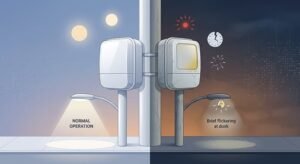
Preset light values help keep switching behavior more consistent. This reduces the chance of random or unstable turning on and off. Time delay is also useful. It stops false switching. Car headlights will not trigger it. Passing shadows will not trigger it either. Brief flashes of light will not make it switch.
How Do Physical Structure And Installation Design Affect User Experience?
Even if the electrical performance is good, poor physical design can make installation harder. The product’s size matters. Its housing shape matters too. The way it mounts and how the connector is built also affect how easy it is to use.
Some models are smaller and simpler. That makes them easier to replace fast. Others are built with stronger structural focus for long outdoor service. The housing design also affects sealing, heat handling, and how firmly the unit sits during installation.
Certification marks, including ФКС in some cases, can matter for project confidence and market fit. While not every buyer checks this first, it can become important in commercial or export-focused projects.
Installers usually prefer a model that is easy to mount, easy to match with a photocontrol receptacle, and less likely to be installed the wrong way. A clean physical design reduces labor time and repeat visits.
Which Model Should You Choose For Different Application Scenarios?
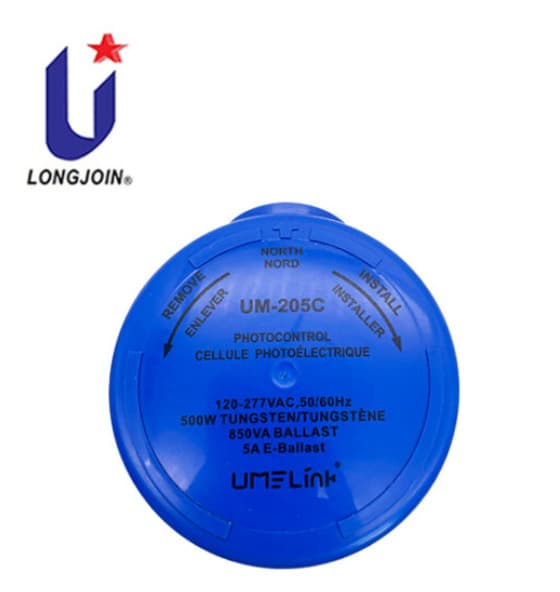
If the project is simple and the power supply is stable, JL-215C or JL-215E can be a good fit. They work well for normal outdoor lighting jobs. The load is not too heavy. The area is also not too rough.
If the site has more demanding field conditions, unstable grid behavior, or stronger switching needs, JL-205E is usually a safer step up. It gives better flexibility and more practical field confidence.
If the project is a tougher road lighting setup and reliability is the top concern, JL-207F is often the stronger match. It is a good fit for users who need a stronger street light controller for long-term outdoor use.
Заключение
These four models may seem alike at first. But in real use, the differences matter. Voltage range matters. So does load support. The switching method also plays a key role. Protection level and housing design matter too.
When you choose a фотоэлементный датчик или фотоэлементный выключатель, do not look at the price alone. Think about where you will install it. Check how stable the power supply is. Then consider how much long-term reliability your project will need. A better match today means fewer failures, fewer maintenance calls, and better lighting performance tomorrow.
Внешние ссылки:
●https://www.researchgate.net/figure/Fault-Mode-and-their-potential-causes-and-effects_tbl1_338452843
●https://www.electricalcounter.co.uk/articles/what-is-ip54?srsltid=AfmBOopsx4tVC3HDTs0d-1oexGAqFbtMYvSODTDlxA0aJw5ZJHsbCVKn
●https://www.onlogic.com/blog/what-does-ip65-mean/
●https://www.trentonsystems.com/en-gb/blog/ip67-rating
●https://en.wikipedia.org/wiki/Zero-crossing_control
●https://www.intertek.com/communications-equipment/fcc-certification/
 Russian
  English
  Spanish
  Portuguese
  Arabic
  Japanese
  Italian