
Does CDS Photocell Experience Setpoint Drift Due To Temperature Changes?
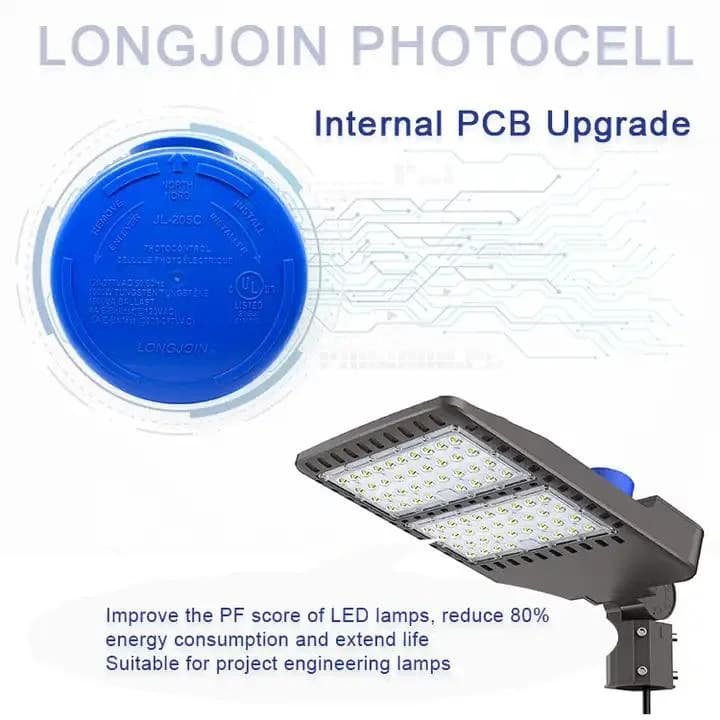
Does drift make CDS a bad choice? No. CDS photocells work well in plenty of outdoor lighting jobs. The trick is knowing their limits.
Temperature can change CdS resistance and shift the switching point. Good calibration, hysteresis, time delay, compensation, and the right sensor choice cut the problem down. In very hot or demanding projects, another sensing method may fit better.
For engineers and buyers, the better question isn’t “does this photocell work?” It’s “will it switch consistently in this site’s real temperature, light, and weather?”
8 Factors Affecting Compatibility of Twist-Lock Photocells with Different Brands of NEMA Sockets
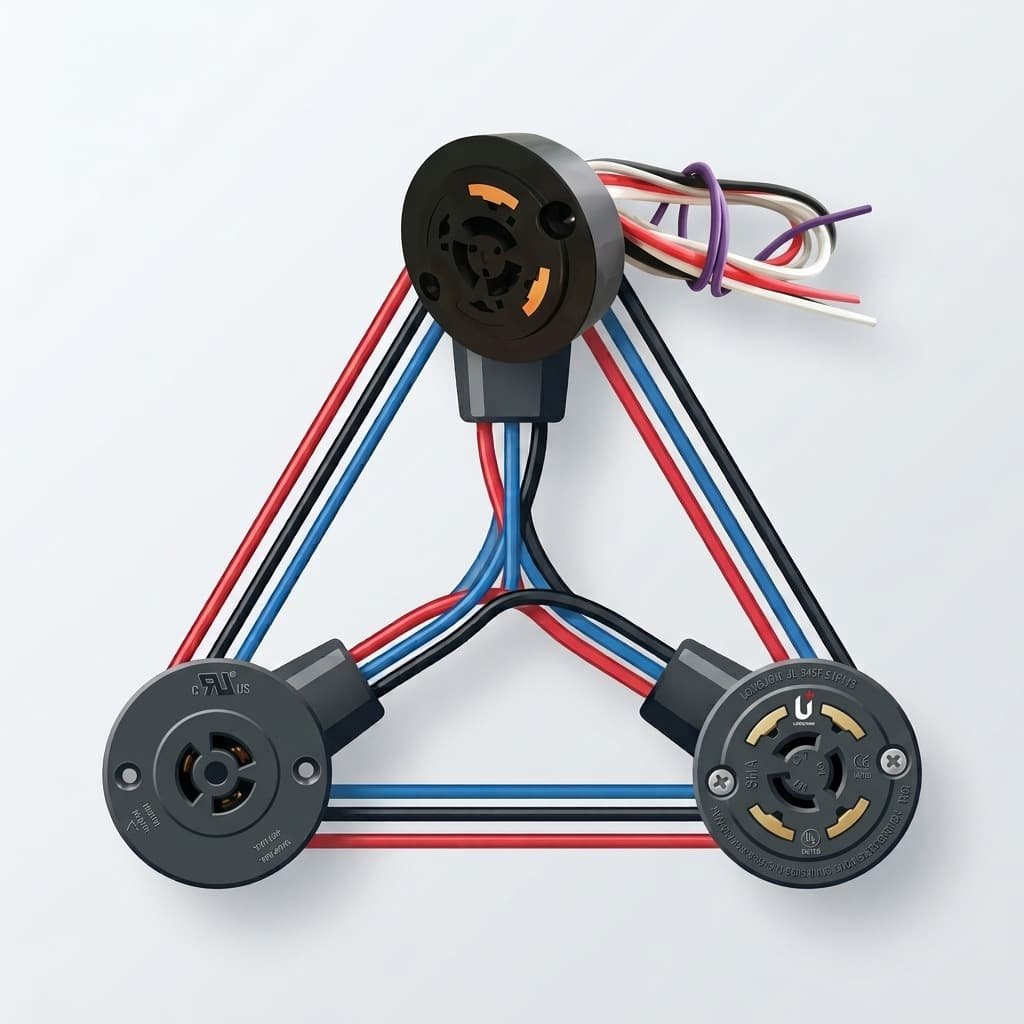
Whether a twist-lock photocell fits a NEMA socket reliably depends on the socket’s quality control and test compliance rather than dimensional compliance with NEMA SS-1 alone.
Long-Join follows NEMA and international certification standards, using GF+PBT materials, controlled spring contact specifications, and UL1598-compliant design to ensure compatibility between Long-Join photocells and Long-Join sockets.
Can Photocells Experience Short Circuits Due To Condensation?
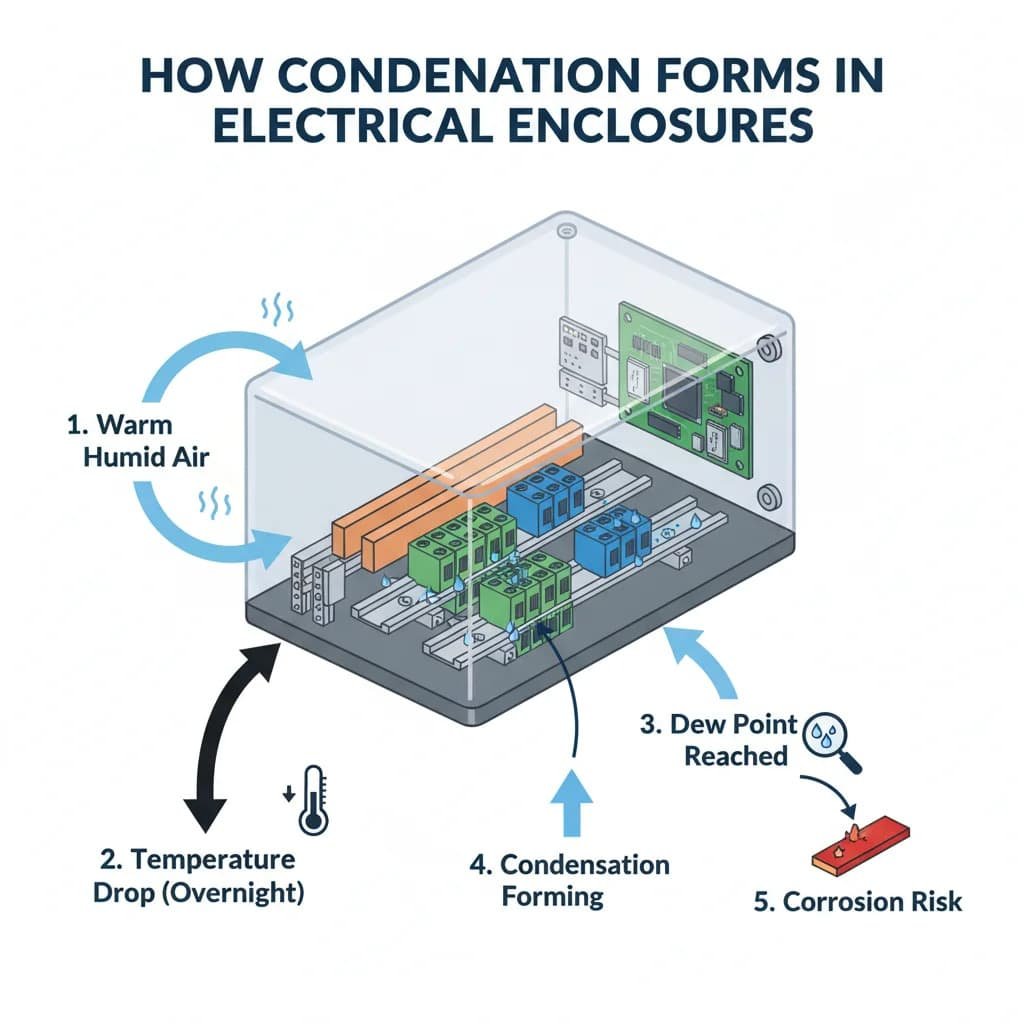
A well-built photocell combines strong housing material, dependable seals, sensible pressure and moisture management, stable electronics, and correct installation. For humid or coastal street lighting, these details decide whether you get steady switching or a stream of service calls.
Why Do High-Temperature Countries Choose Photodiode Photocells Instead Of CDS Photocells?
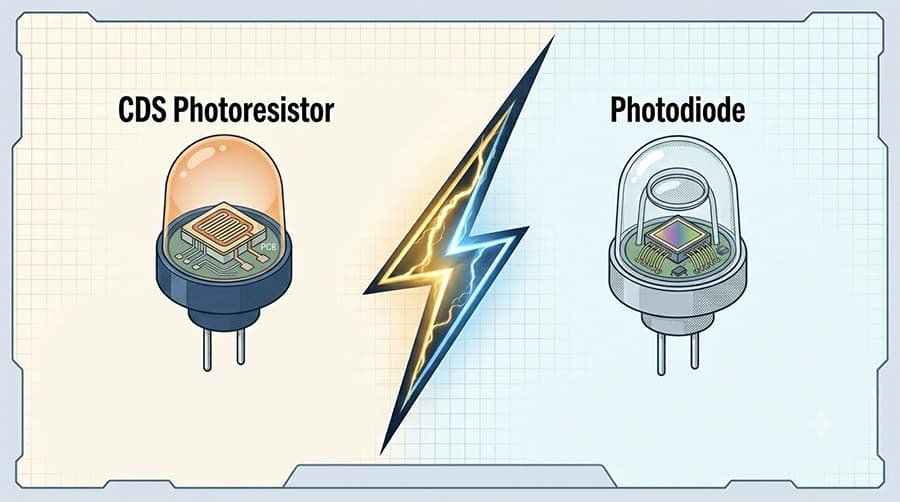
Hot climates hit a photocell with heat, dust, reflections, moisture, years of outdoor service. CdS still handles simple jobs fine. But when stable sensing, fast response, and filtering matter, photodiode and phototransistor designs give engineers more to work with.
For high-temperature projects the rule is short. Pick the right sensor. Then confirm the temperature rating of the whole photocell before anyone installs it.
Why Do Photocells Sometimes Cause Lights to “Suddenly Turn Off” During Daytime?

A photocell that briefly switches a light off during the day is almost always doing its job correctly. The brief on-then-off sequence is the photocell responding to a power event, a system self-check, or a boundary lux condition, not malfunctioning.
The exception is frequent, repeated cycling that persists across different weather conditions, which signals a genuine fault requiring professional diagnosis. Understanding which scenario is occurring is the first step to resolving it correctly.
Will Photocell Lamps Stay Always On Due to Relay Sticking?

Relay sticking produces the most visible and economically damaging photocell failure mode. Four causes account for most sticking failures:
●Electrical overload
●Vibration fatigue
●Improper contact materials
●Frequent false triggering.
Long-Join addresses all four through industrial-grade relay selection, zero-crossing switching, IR-CUT filtering that reduces false triggers, and vibration-resistant mechanical design. The cover test provides immediate field diagnosis, and the twist-lock format makes replacement fast when it is needed.
How Long-Join Photocell Manufacturer Responds To The New EU PPWR Regulations: Certification And Compliance Review

PPWR adds real packaging responsibilities. Gets easier when product and packaging data get prepared early instead of scrambled together later.
Clear material records, packaging BOM details, supporting compliance documents — Long-Join can help EU buyers handle reporting and EPR requirements without the usual headache.
For anyone sourcing a photocell or lighting control product, the point is simple. Confirm product compliance and packaging information before shipment. Cuts delays. Avoids missing data. Keeps the whole supply chain ready for EU market rules.
Are Long-Join Twist-Lock Photocells Compatible with Vibration Environments of High Mast Lights?

High mast light vibration environments expose photocells to mechanical stress levels that standard products are not designed to sustain, with eight specific failure mechanisms that each require targeted design responses.
Long-Join addresses all eight through GF+PBT base material with UV stabiliser, industrial-grade relay selection, wave soldering reinforcement, pressure-tight EPDM sealing, integrated window positioning, and RC plus TVS plus MOV EMC protection.
Lower-end products that address only some of these factors will show predictable failure patterns in high mast vibration environments.
Why Can’t Different Brands of Products with the Same NEMA Standard Interface Be Interchanged?
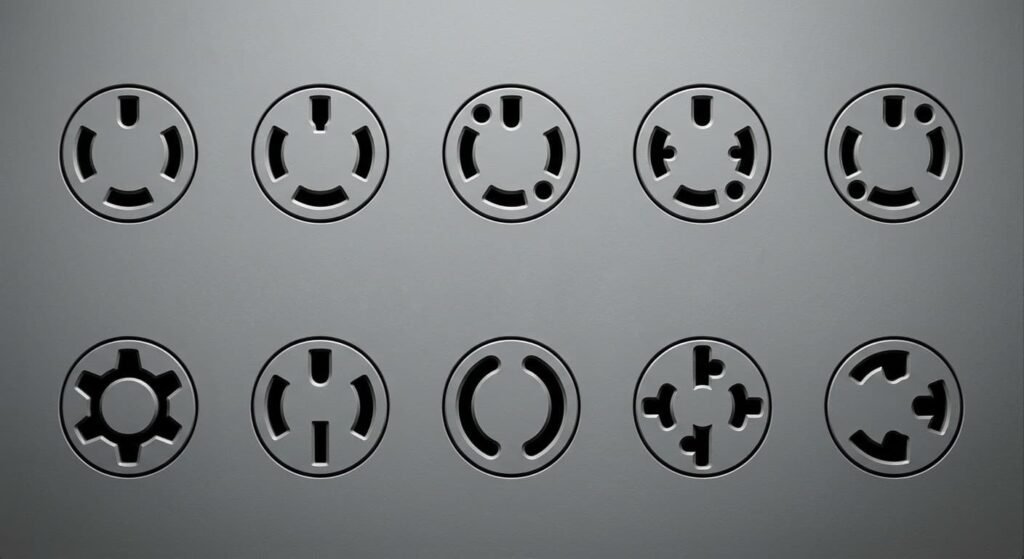
NEMA standard compliance does not guarantee interchangeability between brands because the standard leaves the most compatibility-critical factors to individual manufacturer design decisions.
Different decisions produce products that are dimensionally standard-compliant and operationally incompatible. The reliable solution is a matched photocell and socket from the same manufacturer with consistent quality certification, supplemented by material and force specification verification when mixed-brand installation cannot be avoided.
Which International Certifications Require UV Stabilizer Addition In Photocell Housings?
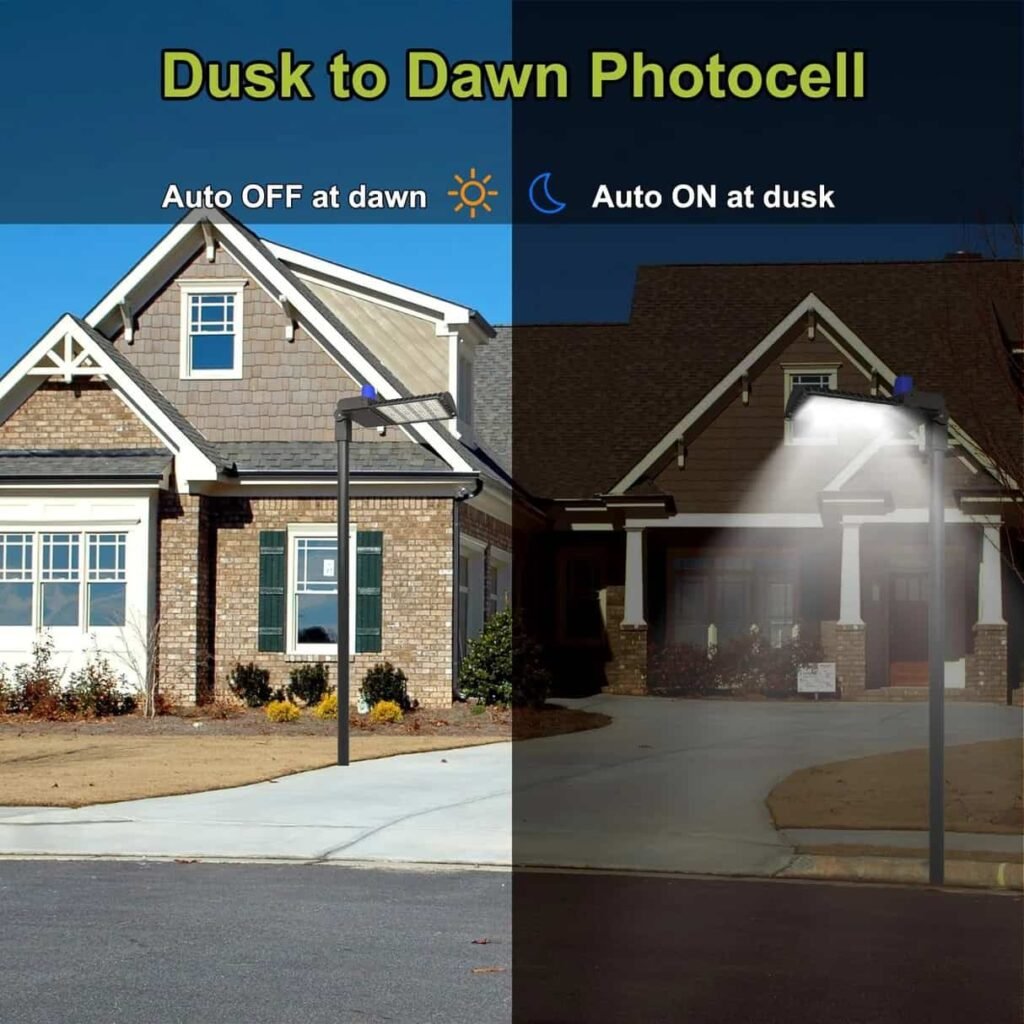
UV stabilizers matter. They help photocell housings survive years of sunlight without falling apart.
But the standards don’t hand you a formula. They care about tested performance. So manufacturers pick UV-resistant materials, protect the sensing window, keep the sealing solid, and actually verify performance through proper testing — not just slap “UV stabilized” on a label and hope.
Good material choice is one of the simplest ways to keep a photocell working long after installation.
 Russian
 English
 Spanish
 Portuguese
 Arabic
 Japanese
 Italian