
How UV-Resistant Photocells Perform Better In High-Temperature Environments

In hot outdoor spaces, UV resistance is not just a nice extra. It is a basic need. Strong sun, heat, and damp air can wear out ordinary controls fast. A well-built unit lasts longer. Its housing, base, and sealing system are made for that harsh setting.
Waterproofing, Dustproofing, And Weather Resistance Standards For Outdoor Lighting Photocontrols — A Case Study Of Long-Join JL-207C
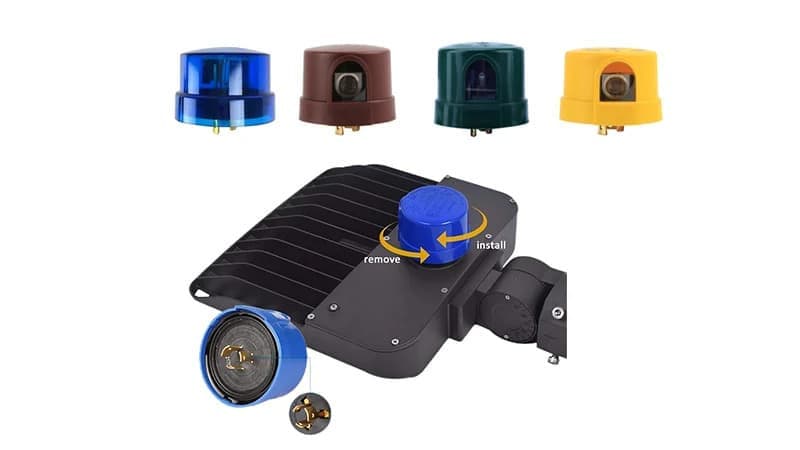
The JL-207C stands out as a strong outdoor photocell control. Long-Join highlights key features that matter in real use.
The main point is simple. When you choose a photocontrol for road or area lighting, do not look only at the switching function. Look at sealing, weather resistance, and proven outdoor standards too. That is what helps a product survive outside.
Tender Specification Conflict: When “Over-Spec” Lighting Requirements Clash With Real-World Photocell Supply

The real conflict in municipal lighting tenders is not “good spec versus bad product.” It is usually “fixed paperwork versus variable field reality.” When a tender is too rigid, it can narrow the market, raise costs, and create avoidable bidding disputes.
The JL-207C case shows a better way to think about this. A strong photocell product is not only one that switches lights on and off. It is one that can fit real installation risks, support clear compliance, and help buyers move from argument to practical decision.
After-Sales Service And Technical Support For Photocells: Top 10 Concerns Of B2B Buyers
photocontrol products that fit, last, and come with real support when problems show up.
Long-Join’s website presents a broad product base across standard photocells, NEMA receptacles, Zhaga sockets, and smart controllers. That kind of range can give buyers more confidence when they need compatibility help, documents, and support for both present and future projects.
How To Ensure Quality Consistency When Mass Purchasing Photocells
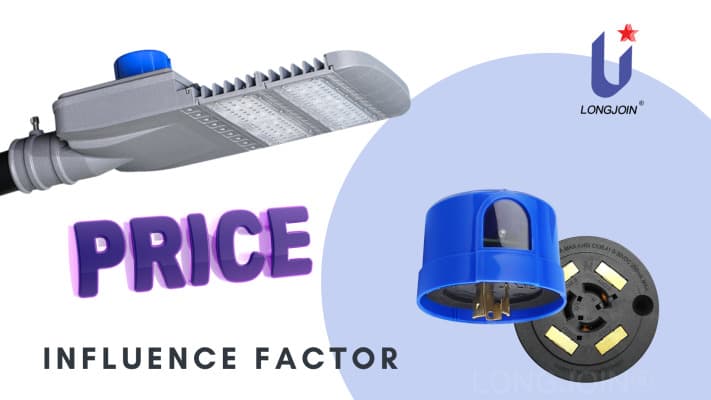
Quality consistency in mass Photocontrol purchasing does not happen by luck. It comes from clear specs, honest technical review, careful production planning, strict testing, and final customer confirmation. The Long-Join JL-205C is a strong example because it is built for outdoor lighting use, offers several protection options, and supports common project needs across a wide voltage range.
If buyers want stable results, they should not ask only, “Can this unit work?” They should ask, “Can this supplier keep every unit working the same way?”
Future Trends In Photocell Technology—A Comparative Analysis Of Traditional Single-Function Photocells, IoT Smart Photocells, And AI-Enabled Photocell Controllers
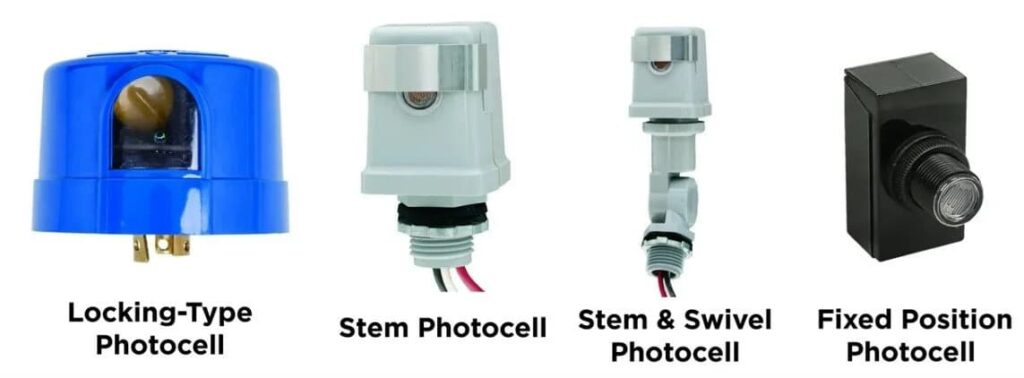
Traditional photocells still have real value. They are simple, stable, and cost-friendly. IoT smart photocells add remote visibility and better management. But AI-enabled hybrid controllers look like the next serious step because they solve the biggest old problem: poor judgment in complex outdoor conditions. Long-Join’s recent product pages and future-facing articles suggest that this smarter path is becoming more important for modern lighting control and smart city upgrades.
Is Photocell False Trigger Rate Important? How To Avoid Daytime Lights-On Issues When Purchasing
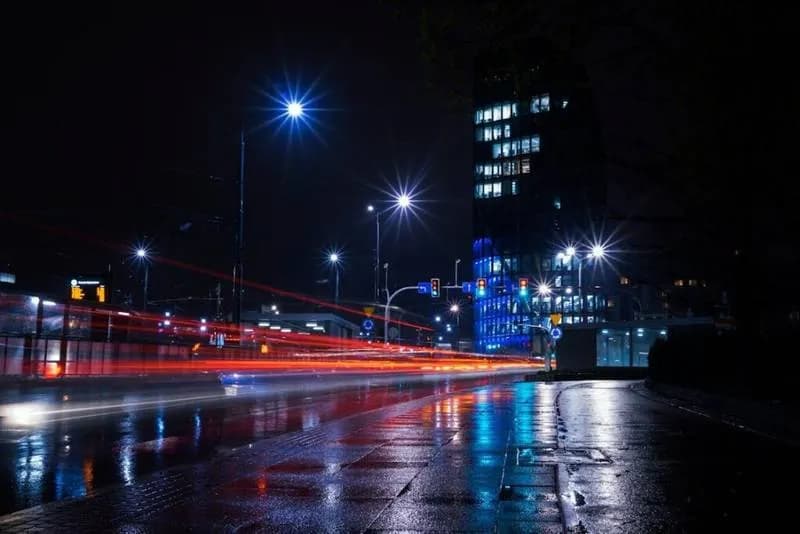
False trigger rate matters because it affects power cost, lamp behavior, and maintenance work. A low-quality controller can leave lights on in the day and create problems that seem small at first but grow expensive over time.
A better photocontrol gives steadier switching and fewer surprises. For smaller, simpler areas, JL-103A is a practical option. For roads and larger outdoor projects, JL-205C is the safer choice. For roads and bigger outdoor projects, JL-205C is a safer pick. That gives your lighting system a better chance to stay stable.
How Does Photocell Sensitivity Affect Urban Outdoor Lighting Performance?
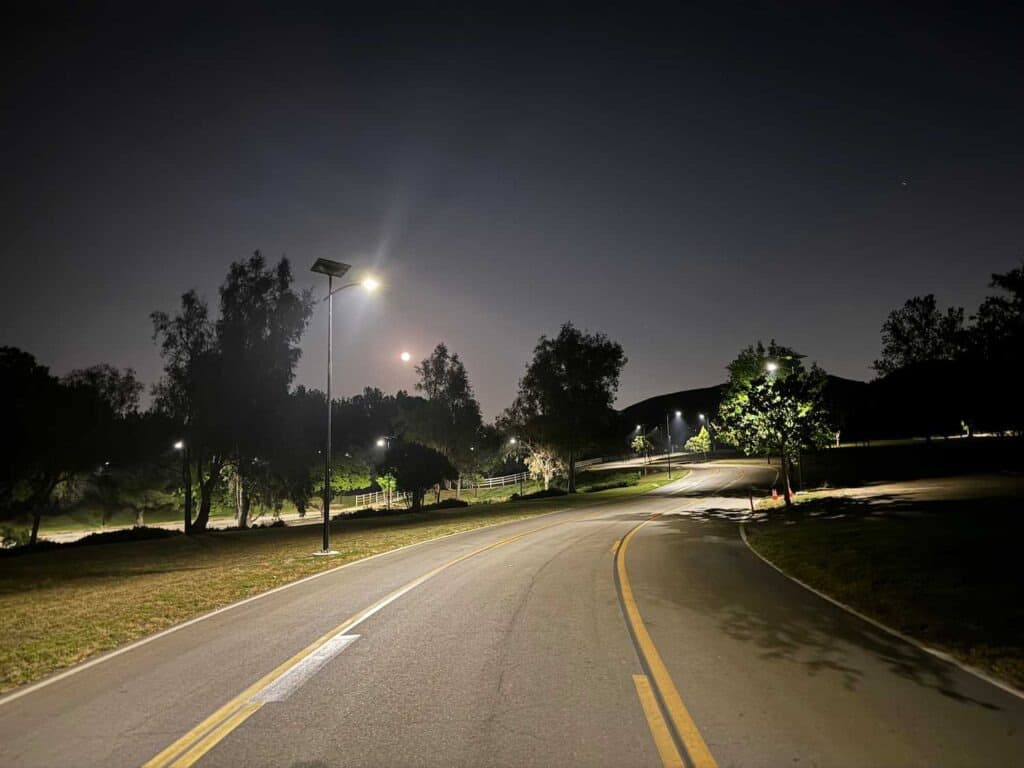
Long-Join’s range shows a clear pattern. Button models are simple, compact, and useful for everyday outdoor jobs. NEMA models are better when the lighting system needs faster response, steadier switching, and stronger outdoor performance. That is why sensitivity matters so much in urban lighting.
The right choice depends on the job. If the goal is basic dusk-to-dawn control, a simple button photocell may be enough. If the goal is smarter, steadier, and more energy-aware lighting control, a higher-sensitivity NEMA model is the better move.
How Do Cities Transition From Legacy Photocells To Smart Controllers?
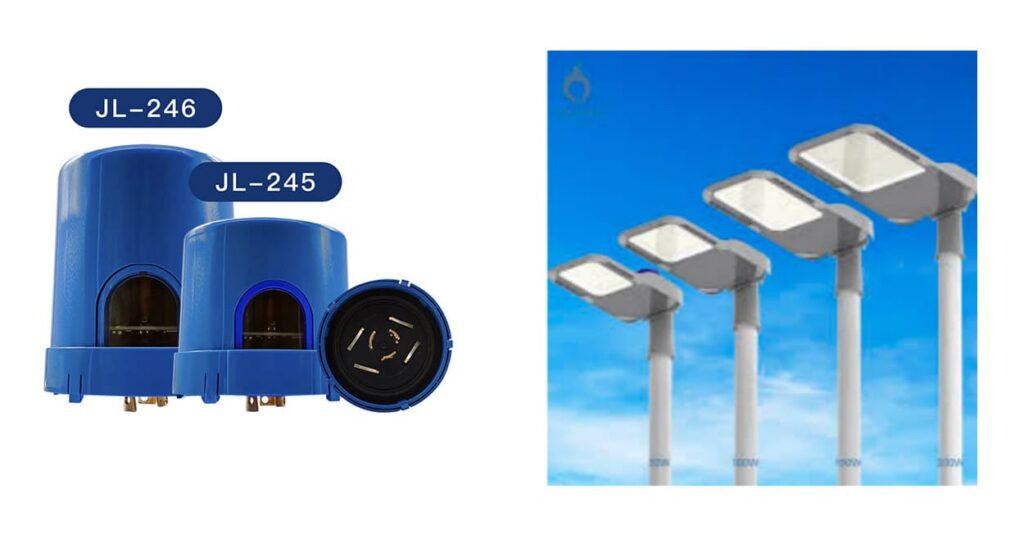
Cities don’t need to replace everything at once to modernize. With a clear audit, the right network choice, and phased deployment, legacy photocell for street light systems can evolve into smarter lighting control that saves energy and improves maintenance speed. Long-join’s NEMA and Zhaga ecosystem options, plus ZigBee and NB-IoT controller lines, support the transition in a practical, street-ready way.
Do Photocontrols Support Different Voltages (12V, 24V, 120–277V) And Their Application Scenarios Analysis?

Yes, photocontrols do support different voltages, and that matters more than many buyers first expect. Long-Join’s JL-205 family shows this clearly with one standard 120–277V AC version and low-voltage options for 12V DC and 24V DC. Each one fits a different kind of lighting system, from municipal roads to solar and landscape projects.
 Japanese
 English
 Russian
 Spanish
 Portuguese
 Arabic
 Italian