
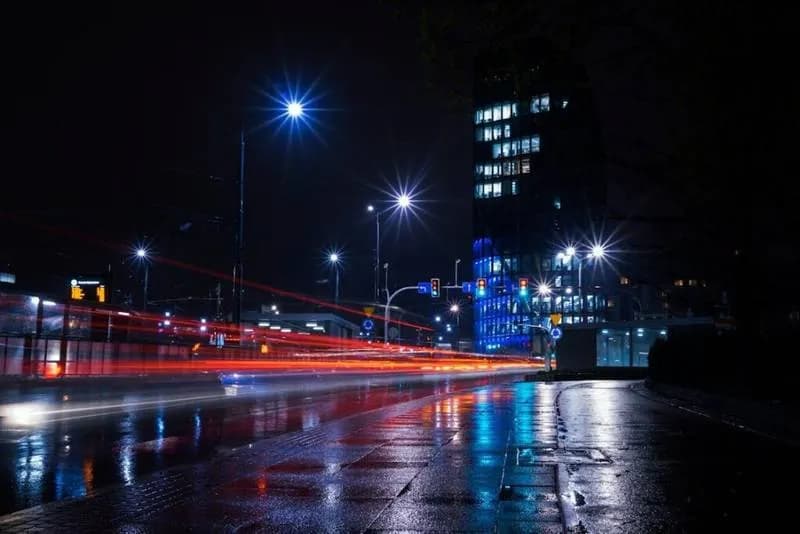
Is Photocell False Trigger Rate Important? How To Avoid Daytime Lights-On Issues When Purchasing
導入
A photocell is small, but it plays a big role in outdoor lighting. It reads the light level outside and tells the lamp when to turn on or off. When that reading is off, it shows fast. The light stays on during the day. Or it does not turn on at night. Long-Join’s product pages describe this basic working idea clearly across its photocell sensor and twist-lock controller lines.
That is why false trigger rate matters so much when buying a photocell switch. A poor unit may waste power, shorten lamp life, and create extra maintenance work. A better unit gives steadier switching and fewer call-backs. This draft follows the question-based structure and formatting style you asked for in your outline.
What Is The Photocell False Trigger Rate?
False trigger rate means how often a light photocell makes the wrong switching decision. Put simply, it is how often the controller thinks it is dark when it is not dark, or bright when it is not bright. That can make lights stay on during the day or stay off when they should turn on.
Long-Join explains that its photocell products work by detecting ambient light and switching once the light level crosses a set threshold, which is exactly why wrong detection leads to wrong switching.
This problem is not just annoying. It costs money. If a lamp burns through the day, it uses power for no good reason. If it fails to turn on at night, safety and visibility can suffer. For buyers, that means the false trigger rate is not a small technical detail. It is a real buying point.
Why Does A High False Trigger Rate Cause Real Problems?
The first problem is wasted energy. A lamp that turns on at the wrong time adds power cost with no value. The second problem is extra wear. More wrong switching can mean more stress on the lighting system over time. The third problem is maintenance. When staff keep getting reports that the light is on in daytime, somebody has to inspect it, test it, and often replace the controller.
This is why stable photocell control matters in real projects. It is not only about turning lights on at dusk. It is also about staying off when the sun is already up. Long-Join’s street-light and twist-lock product pages focus on automatic control according to ambient natural lighting, which shows the goal is steady day-night operation, not random switching.
What Usually Causes False Trigger Problems?
A false trigger usually starts with one of four issues. The first is poor light sensing. If the sensing part is not stable, the unit may respond too soon, too late, or at the wrong time. High-sensitivity photosensitive elements help lights switch at the right time at dusk and dawn. This shows that sensing quality is a key factor.
The second issue is outside light interference. Light from nearby lamps can confuse the sensor. So can glass walls, signs, or bright windows. The third issue is bad installation position.
If the outdoor photocell light sensor faces the wrong angle, sits too close to another light source, or gets blocked, it may read the environment badly. Long-Join’s installation guide for the JL-103 series stresses proper installation and real-world placement, which supports how much setup affects performance.
The fourth issue is product design itself. Some units simply handle interference better than others. Better circuit design and better components help the controller ignore stray light and react more steadily.
How Can Installation Make A Good Photocell Work Badly?
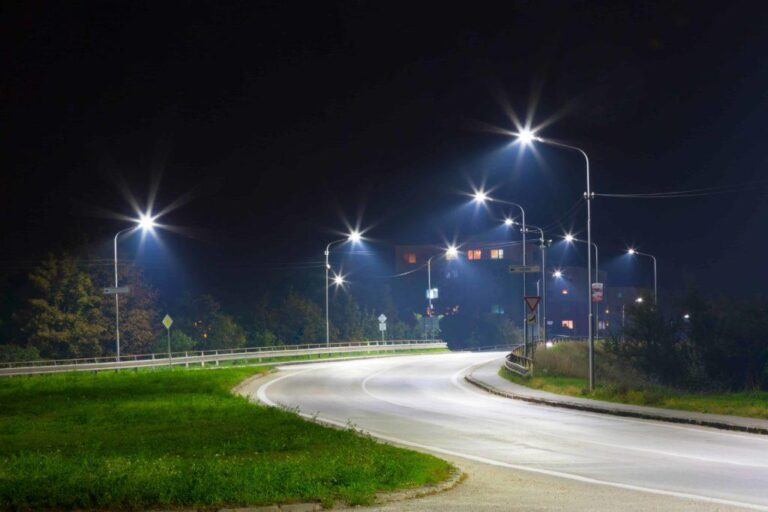
Even a good photoelectric sensor may not work well if you install it in the wrong spot. That happens more often than many buyers think. A sensor mounted where it sees reflected light from the fixture, a nearby wall, or another lamp may think the sun is still down. Then the light stays on longer than it should.
Placement also affects long-term stability. If the unit sits where water, dust, or heat build up, readings may drift over time. That is why buyers should not only ask, “Which model is better?” They should also ask, “Where will it be mounted?” Long-Join’s installation-focused content and product pages repeatedly tie good control performance to correct field setup, not just the controller alone.
Which Long-Join Models Help Reduce False Triggers?
For smaller-area lighting, the JL-103A is a practical starting point. Long-Join describes it as a button-type photocell used for passage lighting, doorway lighting, landscape lights, garden spotlights, LED floodlights, wall pack lights, and barn lights, all controlled automatically by ambient light level. That makes it a sensible fit for lower-complexity areas where you still need dependable switching.
For road lighting and broader outdoor use, the JL-205C is the stronger option in this outline. Long-Join says the JL-205C is used for street lighting, garden lighting, passage lighting, and doorway lighting, and the JL-205 series page adds that its high-sensitivity photosensitive elements support accurate dusk-and-dawn switching. That makes it a better match for projects that need steadier street lighting outdoor performance, and stronger resistance to wrong switching.
How Do JL-103A And JL-205C Compare?
Here is a simple table based on Long-Join’s published product descriptions and your requested outline structure.
モデル | Sensing Style | Anti-Interference Strength | Common False Trigger Risk | Best Use Scenario |
JL-103A | Ambient-light automatic control for smaller fixtures | Good for simpler lighting environments | Low when placed well and used in lower-interference areas | Passage lights, doorway lights, garden spots, wall pack lights |
JL-205C | High-sensitivity dusk-to-dawn control for broader outdoor use | Stronger fit for more demanding outdoor projects | Very low when installed correctly in street and site lighting | Street lighting, garden lighting, passage lighting, doorway lighting |
The short version is simple. JL-103A fits smaller and less complex jobs. JL-205C fits bigger outdoor jobs where steady switching matters more.
What Should Buyers Check Before Purchasing?
First, check where the product will be used. A small passage light and a busy roadside fixture do not face the same light conditions. Second, check whether the product is designed for your kind of lighting project. Long-Join separates button-type units, twist-lock units, and receptacle-based systems for a reason. Different jobs need different control forms.
Third, ask how well the unit handles interference. A strong dusk to dawn photocell should not be easily fooled by nearby lamps or reflected glare. Fourth, think about installation.
A reliable light sensor switch still needs the right mounting spot. Finally, buy from a supplier with clear product details and a real product family behind it, not a vague listing with little technical support.
How Can You Reduce Daytime Lights-On Problems After Purchase?
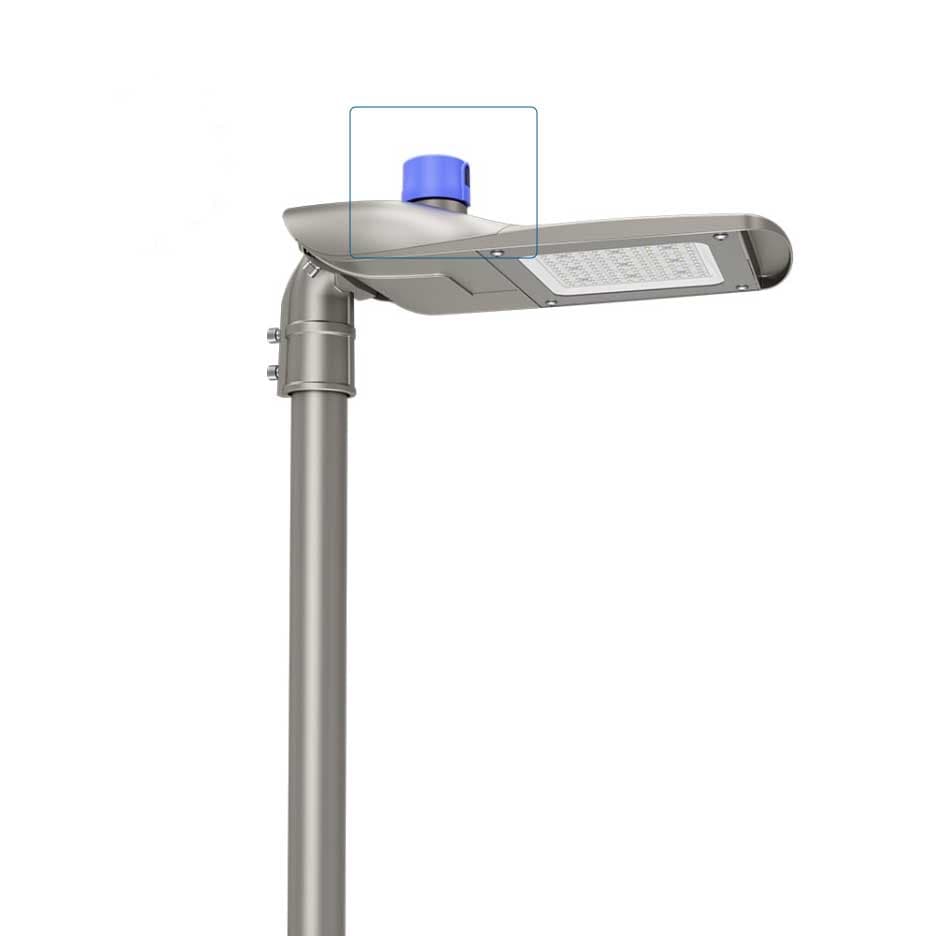
Start with proper mounting. Keep the sensor away from direct light spill, shiny surfaces, and strong lights nearby. Then test the unit after installation. Test it at the real site angles, not just on the bench. Check it again after a few nights if the area has strong glare or mixed light.
Regular inspection helps too. Dirt, water exposure, and fixture changes can all affect what the sensor sees. If the site is complex, use a model built for broader outdoor control, not the cheapest one on the page. In many cases, daytime lights-on complaints come from a mix of bad placement and weak product choice, not from one cause alone.
結論
False trigger rate matters because it affects power cost, lamp behavior, and maintenance work. A low-quality controller can leave lights on in the day and create problems that seem small at first but grow expensive over time.
A better 光制御 gives steadier switching and fewer surprises. For smaller, simpler areas, JL-103A is a practical option. For roads and larger outdoor projects, JL-205C is the safer choice. For roads and bigger outdoor projects, JL-205C is a safer pick. That gives your lighting system a better chance to stay stable.
外部リンク:
●https://www.researchgate.net/figure/False-trigger-rate-for-black-box-and-white-box-verification-of-trigger-sets_tbl3_362591107
●https://www.sciencedirect.com/topics/engineering/ambient-light-condition
●https://en.wikipedia.org/wiki/Photosensitivity
 Japanese
  English
  Russian
  Spanish
  Portuguese
  Arabic
  Italian