
How To Choose A Stable Supplier For Your First-Time Photocell Procurement
يقدم
Your first photocell purchase can feel simple at first. Then the real questions start. Will the product work the same way in every batch? Will the supplier ship on time? Will the unit match your lamp voltage, load, and project standard?
This is why first-time buyers should not focus on price alone. A low quote looks good on paper, but a weak supplier can delay the whole project. For outdoor lighting upgrades, especially when moving from older HID systems to lower-power and more efficient controls, supplier stability matters just as much as product performance. Long-Join’s JL-205C sits in this kind of buying conversation because it is a twist-lock photocell switch made for automatic outdoor lighting control and is offered in the 110–277 VAC range.
Why Is First-Time Photocell Procurement So Risky?
“street light controller” or “light sensor” in a listing and assume all units work the same.
They do not. Small differences in voltage range, surge protection, waterproof level, or load rating can create big problems after installation. JL-205C, for example, is listed by Long-Join with 105–305 VAC applicable voltage range, 1000W tungsten load, and different حماية الدخول options, so the exact version matters.
The second risk is supplier inconsistency. One sample may work fine, while the bulk order performs differently. That is why a stable supplier is not just a seller. It is a partner that can deliver the same quality again and again.
Why Is First-Time Photocell Procurement So Risky?
The first risk is buying a product that looks right but does not truly fit the job. Many buyers see “street light controller” or “light sensor” in a listing and assume all units work the same.
They do not. Small differences in voltage range, surge protection, waterproof level, or load rating can create big problems after installation. JL-205C, for example, is listed by Long-Join with 105–305 VAC applicable voltage range, 1000W tungsten load, and different حماية الدخول options, so the exact version matters.
The second risk is supplier inconsistency. One sample may work fine, while the bulk order performs differently. That is why a stable supplier is not just a seller. It is a partner that can deliver the same quality again and again.
What Does A First-Time Buyer Usually Need?
Most first-time buyers are not trying to test ten product families. They usually have one clear need. They want a reliable photocell for street light projects that meets the customer’s energy-saving target and does not create trouble during delivery or installation.
In a common buying scenario, a new procurement manager is told to replace older lamp controls with a more efficient خلية ضوئية من الغسق إلى الفجر. The manager then has to compare suppliers, check technical data, confirm certifications, and make sure the factory can support samples before a large order. This is where stable documentation and clear communication matter a lot.
A good supplier makes these early checks easier. Long-Join’s JL-205C product and series pages, for instance, publish the key operating range, power use, surge options, failure mode, and protection levels in one place. That makes first-round evaluation faster.
Where Do Buyers Usually Find Lighting Controller Suppliers?
Buyers often start with Google. That helps them find product pages, technical articles, and supplier websites. This route is useful when you want deeper information, such as working voltage, تصنيف IP, or whether the factory also makes photocontrol receptacle products and related accessories. Long-Join’s site, for example, groups twist-lock photocontrols, NEMA receptacles, and Zhaga products in a way that helps buyers understand the wider product line.
Many buyers also check B2B marketplaces because it is fast. These sites help with price comparison, but they often make products look more similar than they really are. That is fine for early screening, but not enough for final supplier choice.
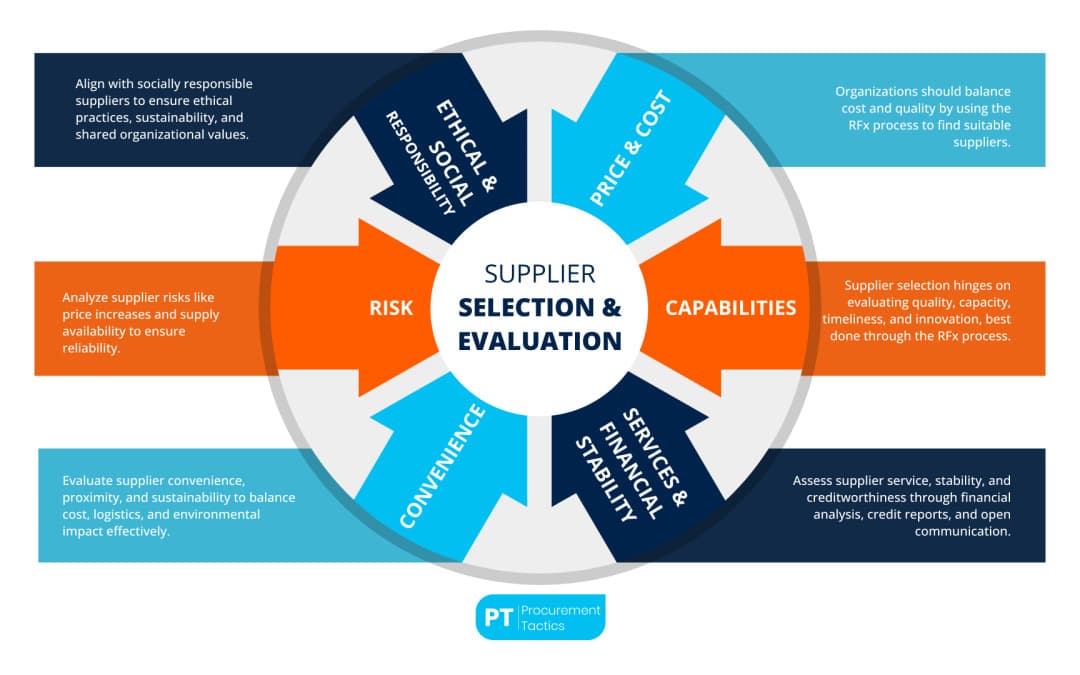
What Should You Check First When Screening A Supplier?
Start with the basics before you look at branding language. Ask four simple questions. Does the product match your voltage? Does it match your load? Does it have the right protection level for outdoor use? Can the supplier prove compliance?
Here is a simple first-screen table:
Check Item | What To Ask | لماذا هذا مهم |
Voltage Match | Does the unit fit the project power range? | A mismatch can cause failure or unstable switching |
تصنيف الحمل | Can it handle the lamp load safely? | This protects performance and service life |
مستوى الحماية | Is the unit fit for outdoor exposure? | Rain and dust can damage weak products |
شهادة | Can the supplier show valid certificates? | This lowers compliance risk |
Sample Support | Can you test before bulk order? | This helps catch problems early |
This early filter saves time. If a supplier cannot answer these points clearly, it is usually a sign to move on.
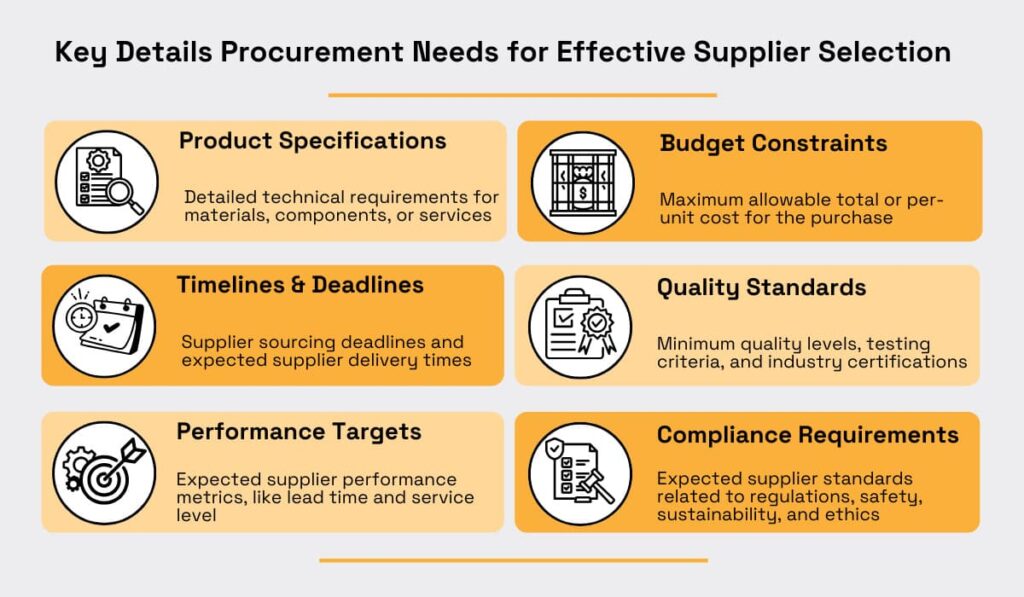
How Do You Judge Brand Strength And Market Reputation?
Brand strength is not just about being famous. It is about whether the supplier has been in the field long enough to understand product stability, export needs, and customer support. Long-Join says it has focused for more than 20 years on NEMA and Zhaga connector-related products and serves overseas lighting buyers across different markets.
Reputation also shows in how much useful information a supplier shares. A stable factory usually publishes more than marketing lines. It provides real product data, service pages, test references, and category depth. That does not guarantee perfection, but it is a good sign.
How Do You Know The Product Parameters Truly Match Your Project?
This is the step many new buyers rush through. Do not stop at the product title. Read the parameter list carefully.
For JL-205C, Long-Join’s product page lists 110–277 VAC rated voltage, 105–305 VAC applicable range, 1000W tungsten and 1800VA ballast load, and IP54, IP65, or IP67 options depending on the version. Its series page also states built-in MOV surge protection options, fail-on mode, and power consumption of up to 3W for the JL-205C family.
Here is a practical reading table:
JL-205C Item | What The Buyer Should Notice |
الجهد المقدر | 110–277 VAC fits many common outdoor projects |
Applicable Range | 105–305 VAC gives wider operating tolerance |
الحمل المقدر | 1000W tungsten / 1800VA ballast supports common lighting loads |
استهلاك الطاقة | Low self-use helps energy-saving goals |
وضع الفشل | Fail-on helps keep lights operating at night if the control fails |
IP Option | IP54, IP65, or IP67 lets you choose by site need |
Matching these numbers to your real project is more important than buying the cheapest quote.
Why Do Delivery Stability And Sample Support Matter So Much?
A good product that arrives late is still a problem. For first-time procurement, delivery stability matters because your project team is still building trust with the supplier. If the first order slips, everything after that becomes harder.
Sample support matters for the same reason. You need to see the product, test the switching behavior, inspect the shell quality, and confirm the markings before large-volume purchase. Long-Join’s service and factory pages highlight sample service, customization support, and after-sales technical guidance, which are useful signs for early-stage buyers.
This is especially important for an outdoor photocell light sensor, where sealing and consistency are hard to judge from photos alone.
Which Certifications And Test Reports Should A Stable Supplier Provide?
For outdoor lighting buyers, certifications and test reports are not extra paperwork. They are part of risk control. Long-Join’s manufacturer page says its photocell products carry certifications including UL, CE, cUL, حظر المواد الخطرة, سي بي, ANSI C, and REACH, and it also mentions test reports tied to waterproof and other product checks.
A buyer should ask for proof, not just a claim on a sales page. Good suppliers should be ready to show what applies to the exact product version being quoted.
Here is a simple scoring table you can use:
Evaluation Criterion | وصف | Good Sign |
Brand Influence | Market recognition and export experience | Long history and visible product range |
Product Parameter Match | Fit between spec and project need | Full match to voltage, load, and IP target |
Delivery Control | Ability to ship on time | Clear lead time and stable order handling |
شهادة | Industry compliance proof | UL, CE, RoHS, and related documents available |
Testing Reports | Waterproof and performance data | Reports available for review |
Sample Support | Pre-order testing option | Sample offered before bulk order |
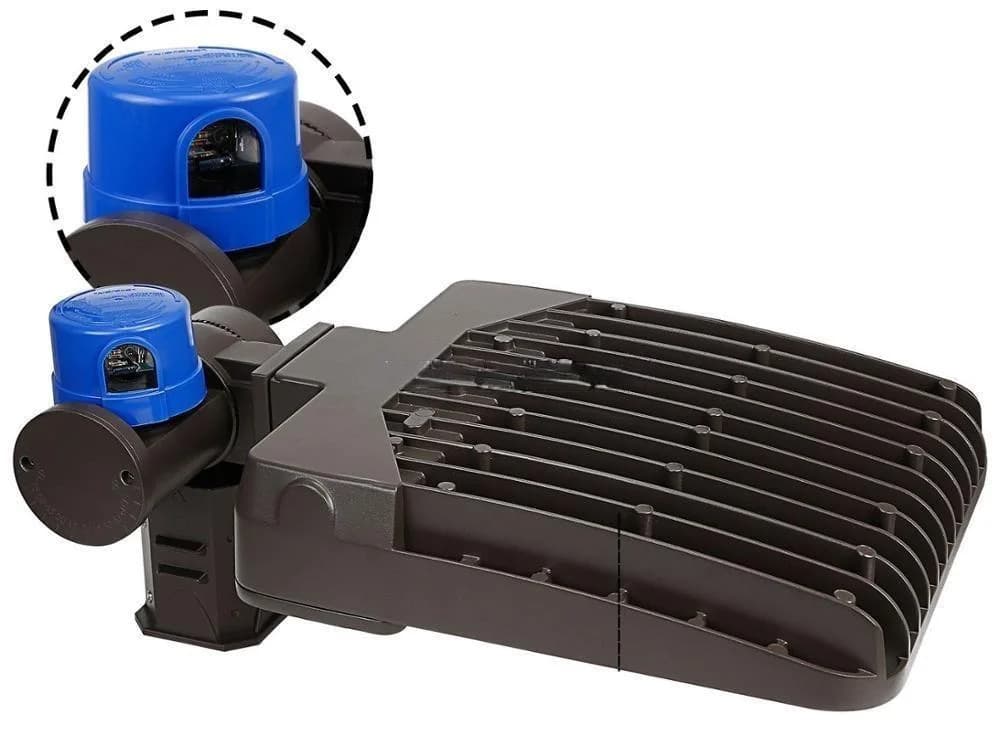
Why Is Long-Join A Strong Option For First-Time JL-205C Procurement?
Long-Join stands out because it offers more than a single product page. Its site shows category depth, technical parameters, certification information, sample service, and export-facing manufacturing support. That gives first-time buyers more ways to verify the supplier before they commit.
For JL-205C specifically, the published data points are solid for common outdoor use: 110–277 VAC rated voltage, 105–305 VAC applicable range, 1000W tungsten / 1800VA ballast load, optional IP54 to IP67 protection, and surge protection choices up to 460J/10000A in the JL-205 series coding system. Long-Join also positions the JL-205C as a fit for municipal and campus lighting.
That combination makes it easier for a new buyer to reduce risk.
خاتمة
Your first مستشعر الخلية الضوئية purchase should not begin with price. It should begin with supplier stability. Check the technical match, certifications, testing proof, delivery control, and sample support. Those five checks will protect you more than a low quote ever will.
If you are buying JL-205C for the first time, Long-Join presents itself as a dependable option because it combines product data, compliance references, service support, and long-term industry focus in one place.
الروابط الخارجية:
●https://www.reach.eha.ng/about-us
●https://www.alitecn.com/what-is-cb-certification
●https://en.wikipedia.org/wiki/RoHS
●https://en.wikipedia.org/wiki/IP_code
●https://en.wikipedia.org/wiki/HID_Global
 Arabic
  English
  Russian
  Spanish
  Portuguese
  Japanese
  Italian