
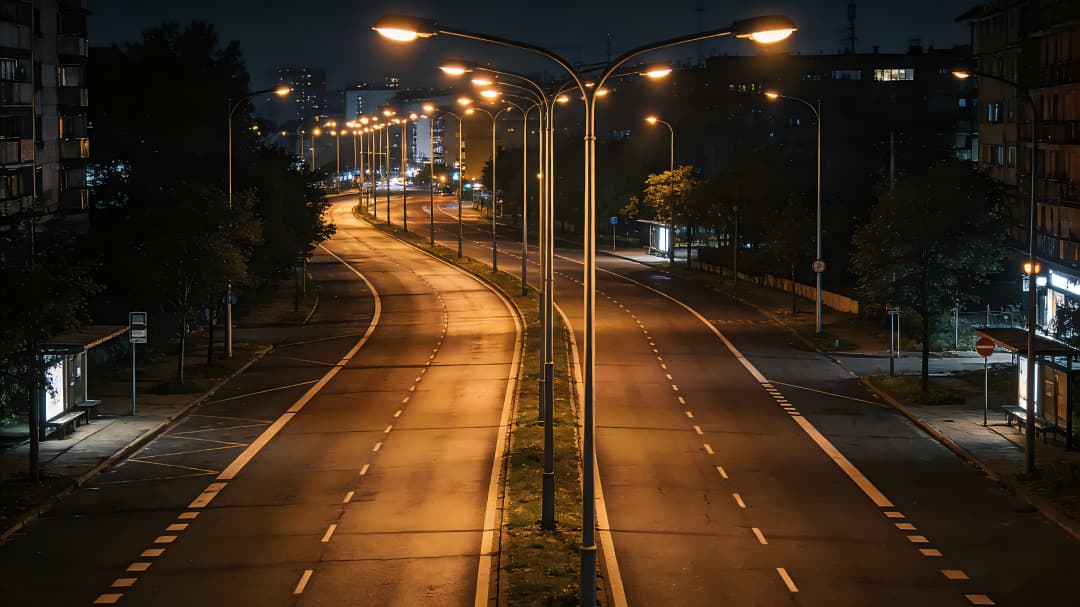
Smart City Lighting Trends In South America: The Rise Of Intelligent Photocontrols
يقدم
South America is moving faster toward smarter public lighting. Cities want lower power bills. They want safer roads too. They also want easier maintenance and better control of public assets. That is why simple dusk-to-dawn switching is no longer enough. Many city lighting projects now need smart systems. These systems can be checked, adjusted, and improved over time.
This shift is easy to understand. Old street lights use more power. They need more repairs. Cities also have very little control over them. Smart LED systems can help fix those problems. They work with an intelligent photocell or photocontrol in a simple, practical way.

South America Is Speeding Up Smart Lighting Projects
Cities across South America are under pressure. Electricity costs matter more than before. Old road lighting equipment is expensive to maintain. Larger urban populations also mean more roads, more public spaces, and more demand for reliable lighting at night.
That is why LED upgrades are becoming a common first step. But the real trend is bigger than LED alone. Cities also want systems that can support remote checks, timed dimming, and smarter maintenance planning.
Old HID And Halogen Street Lights Are Losing Ground
Older lighting systems are still common in many cities. These include HID, high-pressure sodium, metal halide, and halogen lights. But they have clear limits. They use more electricity, need more frequent maintenance, and offer little room for smart control.
That is a problem for cities trying to manage large networks with small teams. If a lamp fails, crews often learn about it late. If traffic drops late at night, brightness still stays the same. If a city wants to add remote monitoring later, older systems can become harder to adapt.
LED fixes part of that problem by cutting power use and lasting longer. But smart city lighting needs more than an LED fixture. It also needs a control point that can think, communicate, and fit into a wider lighting control system.
LED Street Lighting Alone Is Not Enough
LED lamps are efficient, but they are only one part of the system. A city can install مصابيح LED and still miss the full benefit if control remains basic.
What makes smart lighting “smart” is the layer above the lamp. That includes the controller, the communication path, and the management platform. With an intelligent photocell sensor, cities can move beyond simple ON/OFF action. They can support timed schedules, dimming, diagnostics, and remote management.
That is why smart public lighting now often combines three things: LED fixtures, intelligent controls, and a standard interface such as a مقبس NEMA. Long-Join’s product pages reflect this direction, with NEMA-based smart controllers and interfaces built for outdoor street lighting upgrades.
A Modern Smart Lighting System Needs More Than Light
A modern system needs parts that work well together and stay easy to service.
Requirement | لماذا هذا مهم |
Intelligent photocontrol | Supports automatic and adaptive lighting |
Remote monitoring | Helps cities check faults without site visits |
NEMA standardized interface | Makes replacement and upgrades easier |
Energy optimization | Cuts power use and operating cost |
Outdoor durability | Helps systems survive rain, UV, and dust |
الاتصالات اللاسلكية | Supports smart city integration |
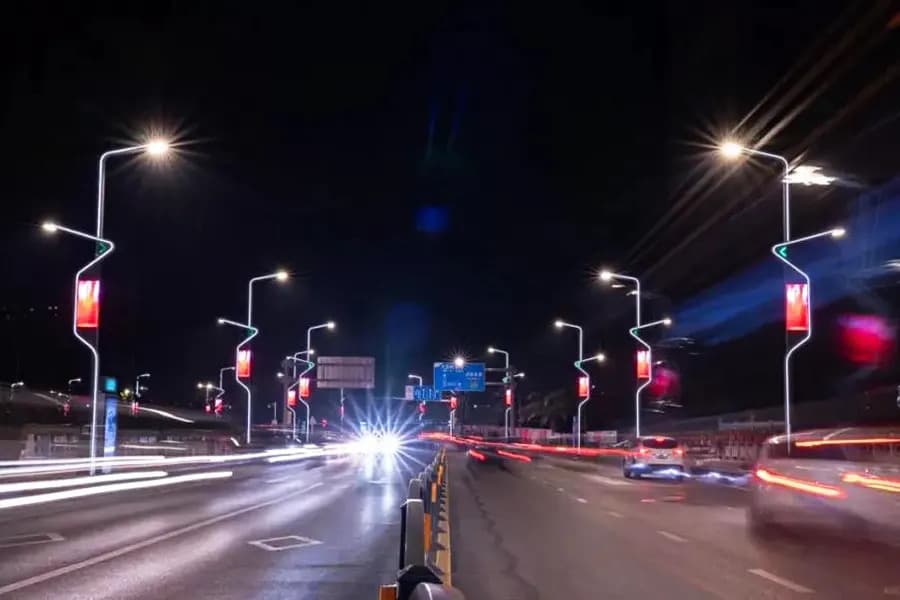
Intelligent Photocontrols Are Becoming More Important
An intelligent photocell control device can help with remote diagnostics, adaptive dimming, system status reporting, and cloud-linked management. That means fewer blind spots for maintenance teams. It also means cities can make better use of lighting hours and power use.
Long-Join’s own smart controller pages show this shift clearly. The JL-245CN is presented as an NB-IoT wireless remote street light controller, while the JL-245CZ is shown as a Zigbee wireless intelligent light controller with data upload and 0–10V dimming support. Those features fit the kind of connected management many municipalities now want.
JL-245CN And JL-245CZ Support Smart City Projects
These two products fit different communication paths, but both point toward intelligent outdoor lighting.
The JL-245CN is built around NB-IoT communication. Long-Join describes it as a wireless smart street light controller that can connect through NB-IoT and support remote control through a web interface. That makes it useful where cities want wide-area communication without a dense local wireless mesh.
The JL-245CZ uses Zigbee wireless communication. Long-Join says it supports data transmission and 0–10V dimming, and it can work in smart city system control applications. That makes it a good fit where local networked lighting groups and dimming control are important.
منتج | Main Communication | أفضل ملاءمة |
JL-245CN | إنترنت الأشياء ضيق النطاق | Wide-area remote street light control |
JL-245CZ | زيجبي | Local smart lighting groups and dimming |
The Light Pole Spray System Plays A Key Role
Lighting projects do not only fail at the controller. Pole condition matters too. In coastal or industrial areas, pole wear and corrosion can quietly drive up maintenance cost and shorten system life.
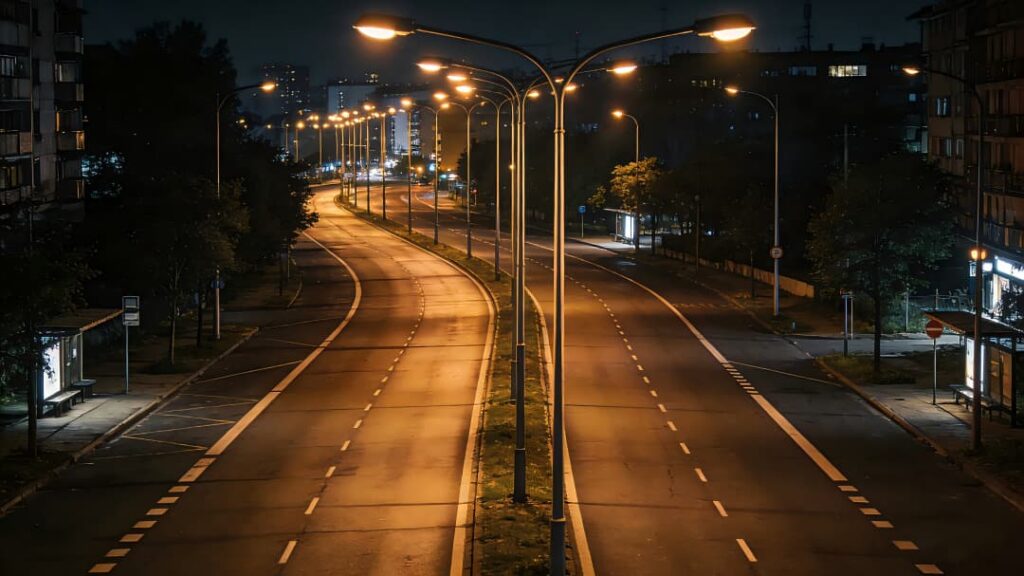
Long-Join’s Light Pole Spray System is presented as a lighting pole solution that combines standard LED street lamp functions with controlled spray technology to improve the surrounding environment. In a broader project discussion, it also speaks to a growing reality: municipalities are thinking about the whole pole system, not only the lamp head.
That makes sense in South America, where weather and environmental exposure can be rough on metal structures over time.
Traditional And Intelligent Lighting Systems Show Clear Differences
ميزة | Traditional HID System | Smart LED + Intelligent Photocontrol |
استخدام الطاقة | عالي | أدنى |
صيانة | متكرر | مخفض |
Smart Monitoring | لا | نعم |
الإضاءة التكيفية | لا | نعم |
الإدارة عن بعد | لا | نعم |
مسار الترقية | محدود | Smart-ready |
Municipal Buyers Should Check Key Factors Before Choosing A System
Municipal buyers should keep the checklist simple. First, make sure the control product fits LED lighting and outdoor conditions. Second, make sure it supports future upgrades, not just today’s need. Third, check whether the system uses a standard interface like a NEMA socket for easier maintenance.
Evaluation Item | Recommended Requirement |
NEMA compatibility | مطلوب |
Smart upgrade capability | Essential |
LED compatibility | Mandatory |
Outdoor sealing | IP65 or better preferred |
مقاومة الأشعة فوق البنفسجية | مطلوب |
Maintenance support | Important |
Frequently Asked Questions
Old HID systems use more power and need more maintenance. Smart LED systems cut energy use and work better with intelligent controls.
Intelligent photocontrols do more than basic ON and OFF switching. They support smarter lighting control, remote checks, and better energy management.
LONG-JOIN products like JL-245CN and JL-245CZ support smart roadway lighting projects. They are built for connected control, outdoor use, and smart city upgrades.
Outdoor lighting in South America often faces humidity, التعرض للأشعة فوق البنفسجية, heavy rain, dust, and coastal corrosion.
NEMA compatibility makes replacement and upgrades easier. It also helps cities keep their lighting systems flexible for future smart control needs.
خاتمة
South America’s smart city lighting shift is real, and it is growing. Cities want more than lower energy use. They want lighting systems that are easier to manage, easier to expand, and better suited for long outdoor service.
That is why intelligent controllers are rising along with LED upgrades. Products such as LONG-JOIN’s JL-245CN, JL-245CZ, and related outdoor solutions match the direction many municipalities are already taking: practical, connected, and ready for smarter public lighting.
الروابط الخارجية:
●https://www.digi.com/solutions/by-technology/zigbee-wireless-standard
●https://lenalighting.com/company/knowledge-base/1748-intelligent-led-lighting-or-how-does-it-work
●https://my.clevelandclinic.org/health/diseases/10985-ultraviolet-radiation



 Arabic
  English
  Russian
  Spanish
  Portuguese
  Japanese
  Italian