
How Do Cities Transition From Legacy Photocells To Smart Controllers?
يقدم
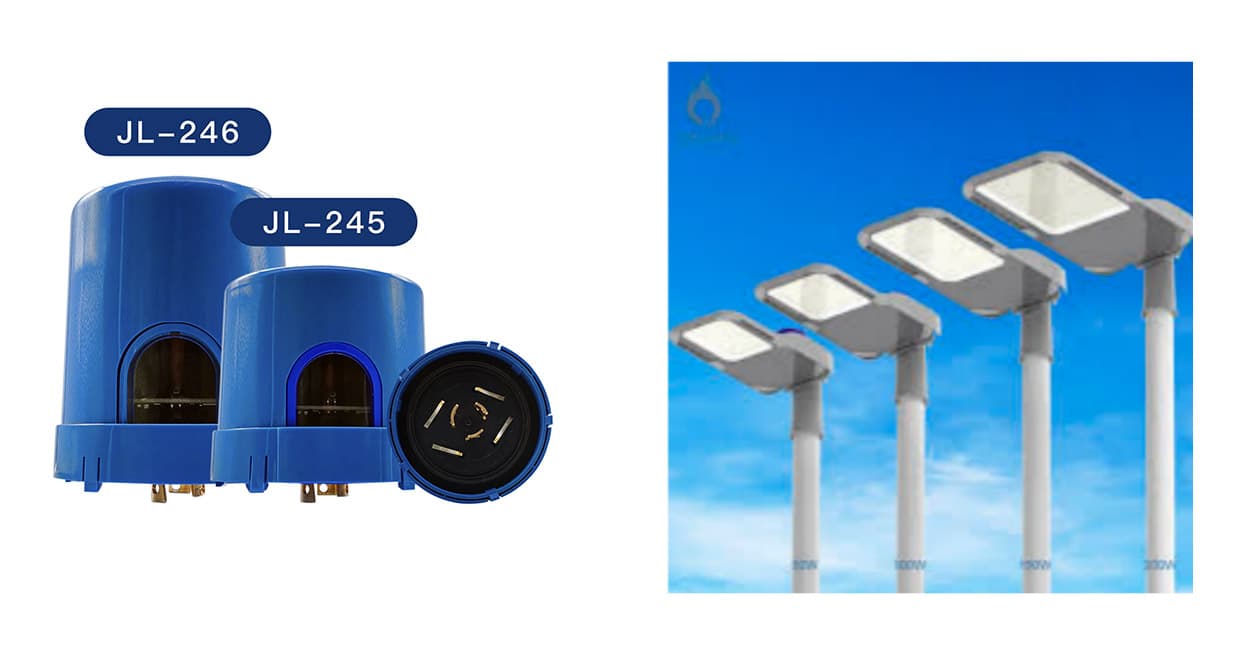
Many cities still run street lights with a basic photocell that only turns lights on at dusk and off at dawn. It works, but it can’t “see” what the city needs today—energy reports, fault alerts, dimming plans, or remote updates. Smart city teams now upgrade to a street light controller that can talk to a platform, report problems, and support smarter lighting control. Long-join supports this shift with نيما و واجهات Zhaga, plus ZigBee and NB-IoT controller options.
What Should A City Check Before Any Upgrade Starts?
The upgrade goes smoother when you start with a simple audit. First, map the streets and zones. Note where lights fail often, where theft happens, and where roads are busiest at night. Then check what each pole already has: a twist-lock مستشعر الخلية الضوئية, a receptacle, or a sealed fixture with no standard interface.
This step also helps you budget. Legacy systems hide costs because faults are found late. A truck roll might happen days after a failure. With smart controllers, you can catch many issues early through alerts and data. That is why planning is not “paperwork.” It’s how you avoid wasting money during rollout.
Quick Assessment Checklist
What To Check | لماذا هذا مهم | What To Record |
Pole count per street | Helps phase the rollout | Street name + number of luminaires |
Existing controller type | Tells you if it’s replaceable | Twist-lock / fixed / unknown |
Interface standard | Avoids rewiring surprises | NEMA receptacle / Zhaga socket / none |
Failure pattern | Shows where remote alerts help most | “Often off”, “flickers”, “stuck on” |
Dimming need | Supports energy plans | Night hours, traffic level, security risk |

How Do You Choose The Right Smart Controller Without Overbuying?
أ وحدة تحكم ذكية is not “one size fits all.” The best choice depends on network coverage, the city’s platform plan, and whether the lights need dimming. Long-join offers wireless controllers with ZigBee and NB-IoT options. This gives cities the freedom to choose what works best for them.
Here’s a simple way to think about it:
- زيجبيis often used when you want a local mesh network and a gateway approach. The Connectivity Standards Alliance says Zigbee is an IoT option that works well across devices. It focuses on strong security and reliable connections.
- إنترنت الأشياء ضيق النطاقis a cellular IoT standard from 3GPP. It is built for low data use and wide coverage in many areas. 3GPP announced NB-IoT standardization as part of Release 13.
So the question is not “Which is better?” It’s “Which one fits this city’s coverage, cost plan, and rollout speed?”
Protocol Fit Guide
City Condition | ZigBee Can Fit When… | NB-IoT Can Fit When… |
Network situation | You can deploy gateways and mesh is stable | Cellular coverage is strong across zones |
Control style | Cluster control (many lights in one area) | Direct-to-network nodes (wide spread lights) |
Cost focus | You want local network control per district | You want fewer gateways and simpler coverage checks |
Rollout speed | You can install gateways early | You can scale faster if SIM/network plan is ready |
Why Do NEMA And Zhaga Interfaces Make Upgrades Faster?
One big reason upgrades fail is rewiring. When every fixture is different, every pole becomes a “custom job.” Standard interfaces reduce that pain.
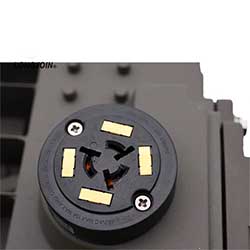
NEMA / ANSI C136.41 receptacles create a common mechanical and electrical interface between the luminaire and the controller node. Long-join’s سلسلة JL-240 is built around this idea and references ANSI C136.41 compatibility for advanced control use.
كتاب زاغا 18 focuses on a standardized interface between outdoor luminaires and sensing/communication nodes. Zhaga describes this as a smart interface that includes power and communication aspects.
NEMA Vs Zhaga
غرض | NEMA (ANSI C136.41) | Zhaga (Book 18) |
Where it’s common | Utility-style street lighting | Newer smart-luminaire ecosystems |
Key value | Twist-lock + dimming contacts | Plug-in node interface + ecosystem approach |
Upgrade win | Easier controller swap if receptacle exists | Easier module change if luminaire supports it |
Long-join examples | JL-240XA receptacle line | JL-700 Zhaga socket line |
What Does A Low-Risk Installation Plan Look Like In Real Streets?
Most cities should avoid “big bang” replacement. A phased plan keeps lights on, keeps citizens safe, and lets you learn fast.
A practical approach is:
- Pilot one district.Choose an area with mixed conditions (busy road + side streets).
- Deploy in waves.Replace controllers street-by-street, not pole-by-pole across the whole city.
- Verify each batch fast.Confirm on/off, dimming schedule, and reporting.
- Lock the pattern.Once the process works, repeat it across more districts.
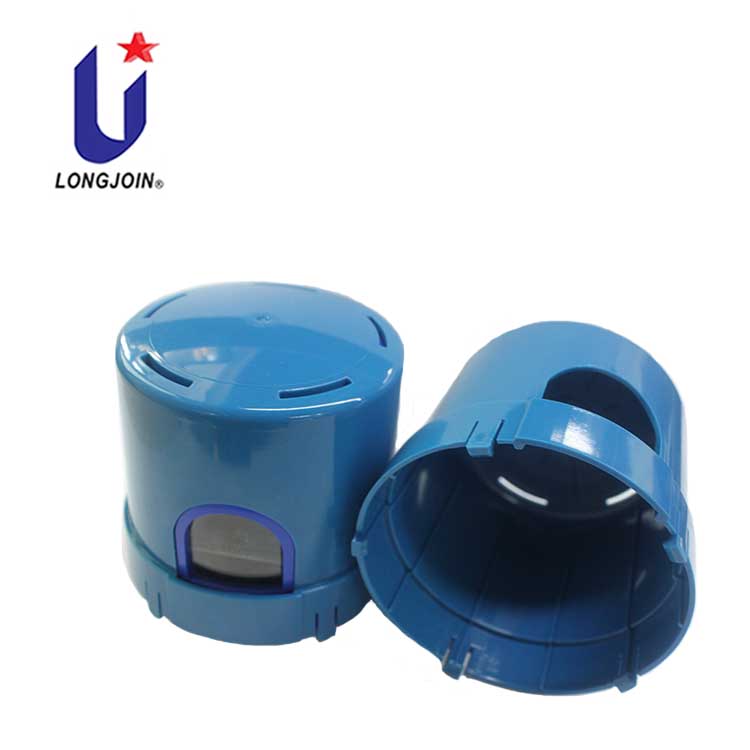
Long-join’s smart controller series is positioned for both standalone strategies and smart city system control, including 0–10V dimming support on models like JL-245CZ.
Phased Rollout Example
مرحلة | Scope | هدف | Pass/Fail Signal |
Phase 1 | 50–200 lights | Prove installation + reporting works | 95%+ nodes report data within 24 hrs |
Phase 2 | 500–2,000 lights | Prove schedules + dimming | Dimming plan runs without mass complaints |
Phase 3 | Citywide | Scale operations | Fault response time drops month-to-monthc |
How Do Smart Systems Reduce Faults Compared To Manual Checks?
Legacy control depends on people noticing failures. That means long dark hours, angry calls, and more safety risk. Smart control changes the pattern.
Instead of waiting for complaints, the system can report:
- Controller offline
- Lamp not responding
- Power anomalies
- Dimming not applied
- Repeated resets
That is the real shift: you move from “reactive repair” to “early warning.” Long-join’s wireless controller service materials describe smart street light control series and platform-style management options.
Maintenance Difference
Maintenance Task | Traditional Photocell Street Light | Smart Controller Street Light |
Find a failure | Manual patrol or citizen report | Remote alert + location |
Diagnose | On-site guesswork | Data + event history |
Fix priority | Often unclear | Based on impact + patterns |
نتيجة | Slower recovery | Faster response, fewer repeat visits |
How Can Government Bidding Speed Up The Switch Without Lowering Quality?
Public bidding can help upgrades happen faster, but only if the spec is clear. When bids focus only on lowest price, cities may get devices that don’t match the real environment (heat, rain, unstable voltage, or poor sealing).
A stronger bid spec usually includes:
- Interface requirement (NEMA or Zhaga)
- Communication requirement (ZigBee, NB-IoT, or both)
- Dimming support (0–10V or DALI where needed)
- Ingress protection targets (like IP ratings)
- Testing and acceptance rules
This helps the city compare vendors fairly. It also pushes suppliers to meet smart city needs instead of shipping “close enough” hardware.
What Should The Management Platform Actually Do Every Day?
A smart lighting platform should not be “a dashboard that looks nice.” It must help daily operations. That includes:
- Remote on/off and schedules
- Dimming plans (like late-night dimming)
- Fault alarms and history
- Maintenance records (who fixed what, when)
- Reports for energy planning
Zhaga also describes a certified ecosystem idea—certified nodes and luminaires designed for compatibility. That kind of interoperability matters when cities want long-term flexibility.
Daily Platform Functions
وظيفة | لماذا هذا مهم |
Remote schedules | Fewer wasted hours of full brightness |
Alarm reporting | Faster repairs, safer streets |
Dimming strategy | Better energy control without “blackouts” |
Asset history | Stops repeated mistakes and lost records |
خاتمة
Cities don’t need to replace everything at once to modernize. With a clear audit, the right network choice, and phased deployment, legacy خلية ضوئية لإضاءة الشوارع systems can evolve into smarter التحكم في الإضاءة that saves energy and improves maintenance speed. Long-join’s NEMA and Zhaga ecosystem options, plus ZigBee and NB-IoT controller lines, support the transition in a practical, street-ready way.
الروابط الخارجية:
●https://www.3gpp.org/
●https://www.citop-iot.com/wp-content/uploads/2021/05/DATASHEET_NB_IOT-Controller_V7.pdf
●https://www.zhagastandard.org/books/overview/smart-interface-between-outdoor-luminaires-and-sensing-communication-modules-18.html
●https://www.nema.org/membership/products/view/lighting-systems
●https://csa-iot.org/




 Arabic
  English
  Russian
  Spanish
  Portuguese
  Japanese
  Italian