
Which International Certifications Require UV Stabilizer Addition In Photocell Housings?
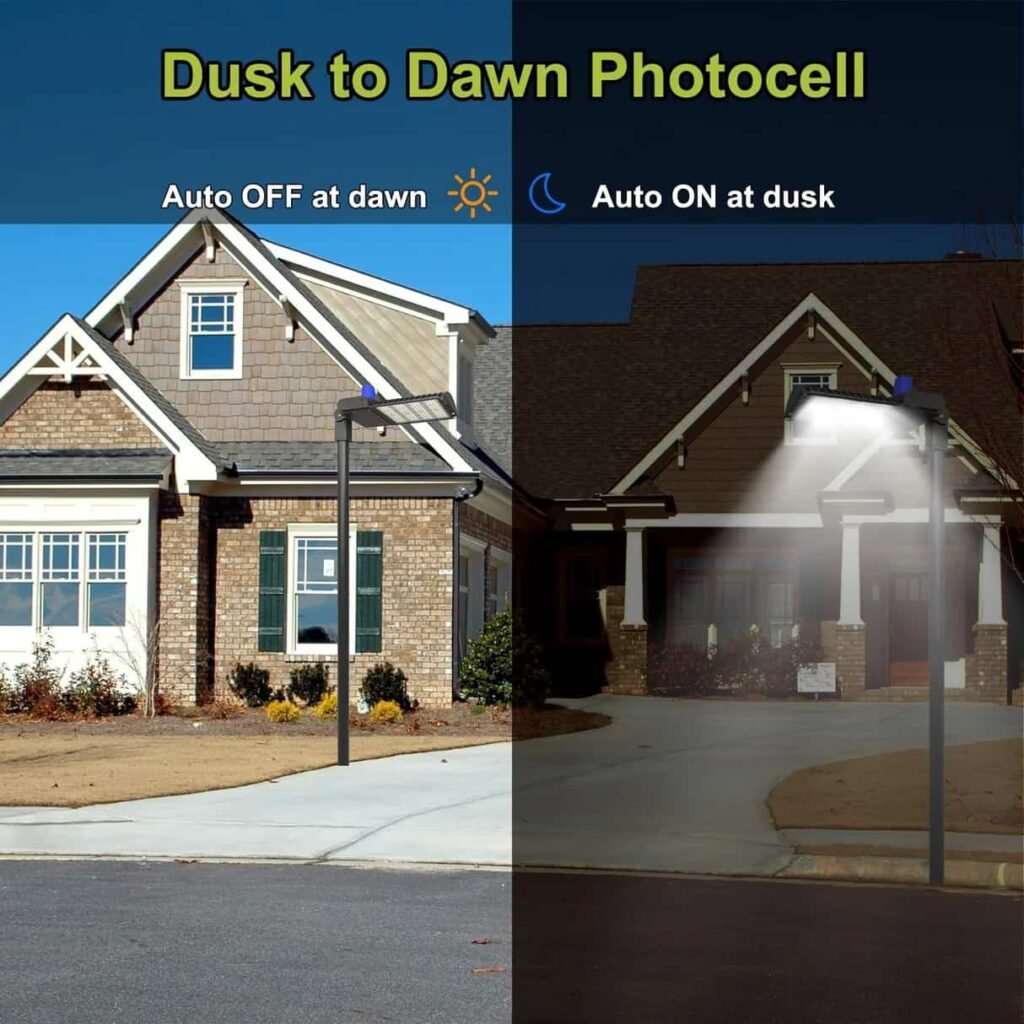
UV stabilizers matter. They help photocell housings survive years of sunlight without falling apart.
But the standards don’t hand you a formula. They care about tested performance. So manufacturers pick UV-resistant materials, protect the sensing window, keep the sealing solid, and actually verify performance through proper testing — not just slap “UV stabilized” on a label and hope.
Good material choice is one of the simplest ways to keep a photocell working long after installation.
NEMA SS-1 Standard: Requirements for Long-Join Photocells
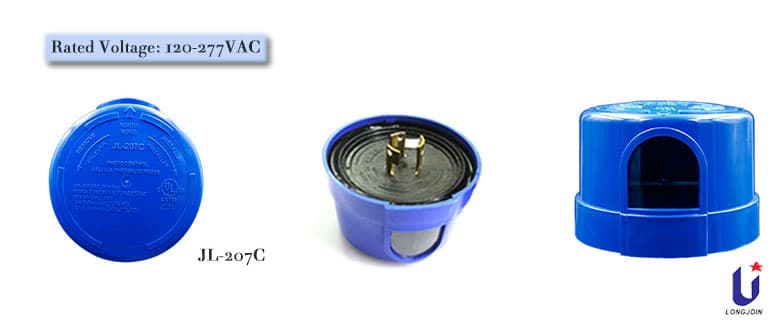
NEMA SS-1 sets the material and performance baseline for outdoor photocontrols in the North American market, with UV stability, photosensitive window performance, mechanical strength, and environmental sealing as its core requirements.
Long-Join’s product design addresses each requirement directly. Combined with UL, CE, and ENEC certification coverage, Long-Join’s photocontrol range is built to meet the demands of North American and international outdoor lighting applications across a full service life.
Can CE Certification Replace UL773 Photocontrol Requirements?
CE is useful. It just can’t replace UL773.
CE proves basic European safety and EMC compliance. UL773 goes deeper — relay action, insulation, heat, moisture, surge protection, long-term reliability under actual outdoor stress.
North American street lighting? UL773 is non-negotiable. European market? CE matters. Selling globally? Find a supplier who actually understands both, not one who just slaps certificates on for show.
Is UV Stabilizer Necessary for Photocell Housings?
UV stabilizer is not an optional quality upgrade for photocell housings, but a required material specification under UL1598, ENEC, and NEMA SS-1. Without it, photocell housings yellow and lose transmittance, embrittle and crack, lose sealing integrity, and fail mechanical strength requirements within one to three years of outdoor service.
With UV-stabilised GF+PBT, Long-Join’s photocell housings maintain their mechanical and optical properties across the ten to fifteen-year service lives that professional outdoor lighting applications demand.
UL773 Certification Requirements: Photocell Base Must Use GF+PBT

UL773 sets four material performance requirements for photocell bases that PC cannot reliably satisfy in the real-world thermal and humidity conditions of outdoor luminaire installation. GF+PBT with high glass-fibre content meets all four requirements with significant margin.
Long-Join specifies high-glass-fibre reinforced PBT as standard across its photocell base range, satisfying UL773 requirements and providing the material performance that outdoor photocell applications demand.
Why Can’t Photocells Use PC Bases?

PC bases fail in photocell applications because outdoor photocell installation conditions are sustained at high temperatures at the luminaire top, continuous UV radiation, thermal cycling, and moisture exposure, all of which push PC beyond its practical dimensional and UV stability limits.
The consequences are sealing degradation, moisture ingress, PCB corrosion, and switching threshold drift. Long-Join’s GF+PBT bases with enhanced UV stabiliser address all three of PC’s fundamental limitations, providing the dimensional consistency and sealing integrity that outdoor photocell service life demands.
Why Do Photocells Fail Frequently in High-Temperature Countries?

Photocell failures in high-temperature countries are not random. They follow predictable failure mechanisms tied to factors such as installation position, material limits, sealing failure, LED driver interference, certification gaps, and UV aging.
Addressing these requires material selection, sensing component choice, sealing design, and circuit protection that goes beyond CE compliance. Long-Join’s high-temperature product range is engineered specifically for these conditions.
What Are The Common Alternative Base Materials For Photocells? What Are Their Advantages And Disadvantages?
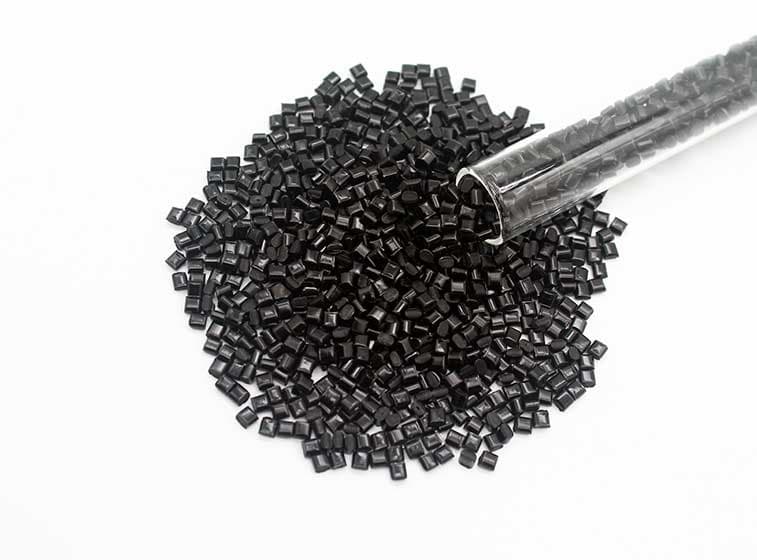
Photocell base material may seem like a small detail, but it has a strong effect on product life.
PC is simple and affordable, but weaker under heat and sunlight. PA66 is stronger, but moisture absorption can be a problem. PBT is more stable for outdoor electrical parts. GF+PBT gives the best balance for high-quality photocell bases.
For smart street lighting, outdoor photocell light sensor products, and long-life photocell control systems, GF+PBT with UV stabilizer is a practical and reliable choice. It is the choice that lasts.
Why Must Photocells Use GF Bases?
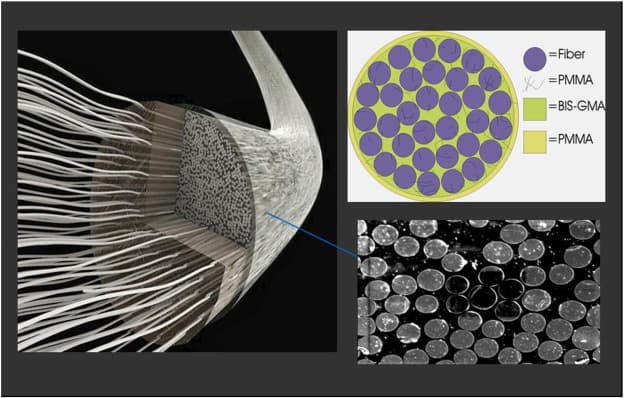
The base material matters more than it looks like it should.
Outdoor lighting is not gentle. Photocells get hot. Get rained on. Get blasted by sunlight. A weak base fails. A strong GF base lasts.
It’s the difference between a photocell that needs replacement in five years and one that works for fifteen.
8 Core Advantages Of Glass Fiber Reinforced Bases Compared To Polycarbonate Bases
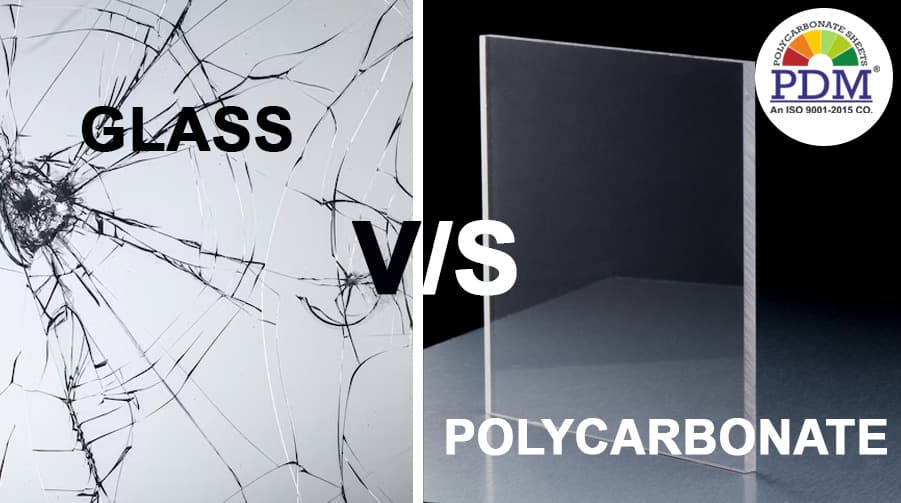
GF bases are stronger than PC bases in the areas that matter most for outdoor photocontrols. They handle heat better. They resist sunlight better. They perform better in wet and salty places. They provide stronger mechanical support and longer service life.
For indoor or simple products, PC may be enough. For outdoor street lighting, coastal lighting, smart lighting, and large public projects, GF is the better and safer choice. It keeps the photocontrol stable, sealed, and reliable for many years.
 Arabic
  English
  Russian
  Spanish
  Portuguese
  Japanese
  Italian