今すぐお電話ください!

+8615900829072

Cities don’t need to replace everything at once to modernize. With a clear audit, the right network choice, and phased deployment, legacy photocell for street light systems can evolve into smarter lighting control that saves energy and improves maintenance speed. Long-join’s NEMA and Zhaga ecosystem options, plus ZigBee and NB-IoT controller lines, support the transition in a practical, street-ready way.
UM9900 web platform 245cg and slave 245cz

How Do Cities Transition From Legacy Photocells To Smart Controllers?

導入

Many cities still run street lights with a basic photocell that only turns lights on at dusk and off at dawn. It works, but it can’t “see” what the city needs today—energy reports, fault alerts, dimming plans, or remote updates. Smart city teams now upgrade to a street light controller that can talk to a platform, report problems, and support smarter lighting control. Long-join supports this shift with ネマ そして Zhagaインターフェース, plus ZigBee and NB-IoT controller options.

What Should A City Check Before Any Upgrade Starts?

The upgrade goes smoother when you start with a simple audit. First, map the streets and zones. Note where lights fail often, where theft happens, and where roads are busiest at night. Then check what each pole already has: a twist-lock 光電セルセンサー, a receptacle, or a sealed fixture with no standard interface.


This step also helps you budget. Legacy systems hide costs because faults are found late. A truck roll might happen days after a failure. With smart controllers, you can catch many issues early through alerts and data. That is why planning is not “paperwork.” It’s how you avoid wasting money during rollout.

Quick Assessment Checklist

What To Check

なぜそれが重要なのか

What To Record

Pole count per street

Helps phase the rollout

Street name + number of luminaires

Existing controller type

Tells you if it’s replaceable

Twist-lock / fixed / unknown

Interface standard

Avoids rewiring surprises

NEMA receptacle / Zhaga socket / none

Failure pattern

Shows where remote alerts help most

“Often off”, “flickers”, “stuck on”

Dimming need

Supports energy plans

Night hours, traffic level, security risk

How Do You Choose The Right Smart Controller Without Overbuying?

スマートコントローラー is not “one size fits all.” The best choice depends on network coverage, the city’s platform plan, and whether the lights need dimming. Long-join offers wireless controllers with ZigBee and NB-IoT options. This gives cities the freedom to choose what works best for them.

Here’s a simple way to think about it:

  • ジグビーis often used when you want a local mesh network and a gateway approach. The Connectivity Standards Alliance says Zigbee is an IoT option that works well across devices. It focuses on strong security and reliable connections.
  • NB-IoTis a cellular IoT standard from 3GPP. It is built for low data use and wide coverage in many areas. 3GPP announced NB-IoT standardization as part of Release 13.

So the question is not “Which is better?” It’s “Which one fits this city’s coverage, cost plan, and rollout speed?”

Protocol Fit Guide

City Condition

ZigBee Can Fit When…

NB-IoT Can Fit When…

Network situation

You can deploy gateways and mesh is stable

Cellular coverage is strong across zones

Control style

Cluster control (many lights in one area)

Direct-to-network nodes (wide spread lights)

Cost focus

You want local network control per district

You want fewer gateways and simpler coverage checks

Rollout speed

You can install gateways early

You can scale faster if SIM/network plan is ready

street light with jl240x photoconrtol receptacle

Why Do NEMA And Zhaga Interfaces Make Upgrades Faster?

One big reason upgrades fail is rewiring. When every fixture is different, every pole becomes a “custom job.” Standard interfaces reduce that pain.


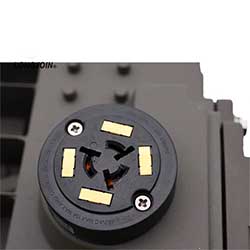
NEMA / ANSI C136.41 receptacles create a common mechanical and electrical interface between the luminaire and the controller node. Long-join’s JL-240シリーズ is built around this idea and references ANSI C136.41 compatibility for advanced control use.


ザガ書 18 focuses on a standardized interface between outdoor luminaires and sensing/communication nodes. Zhaga describes this as a smart interface that includes power and communication aspects.

NEMA Vs Zhaga

アイテム

NEMA (ANSI C136.41)

Zhaga (Book 18)

Where it’s common

Utility-style street lighting

Newer smart-luminaire ecosystems

Key value

Twist-lock + dimming contacts

Plug-in node interface + ecosystem approach

Upgrade win

Easier controller swap if receptacle exists

Easier module change if luminaire supports it

Long-join examples

JL-240XA receptacle line

JL-700 Zhaga socket line

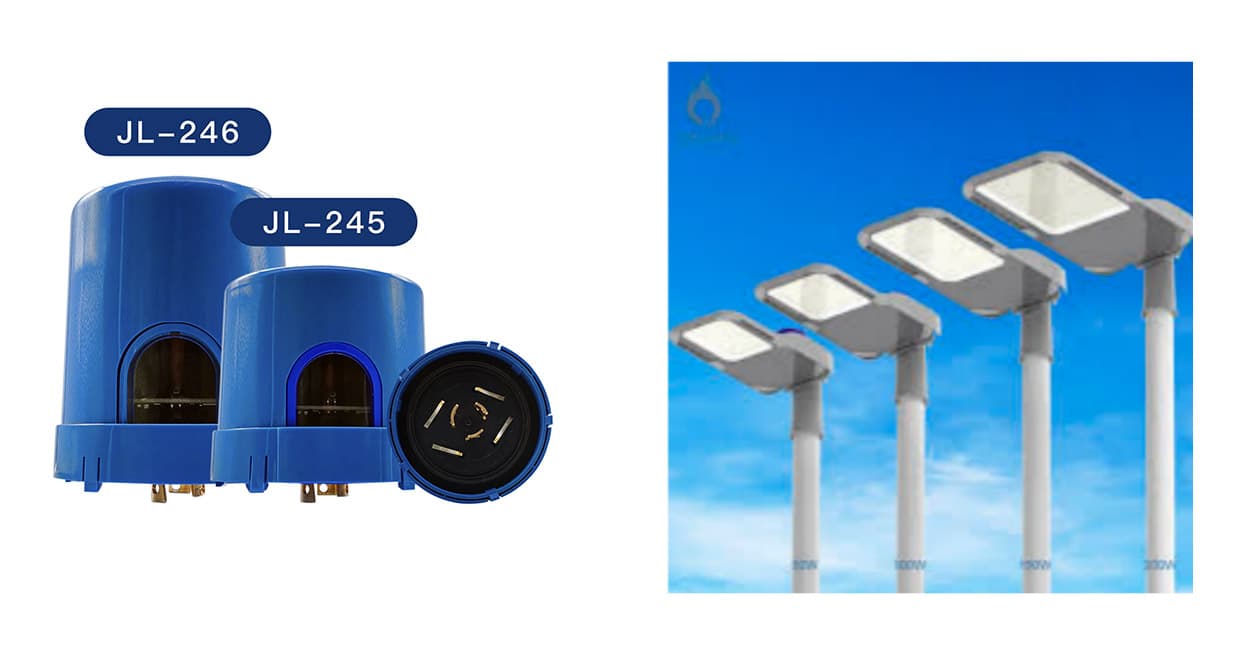
JL-245(18) zigbee wireless controller
JL-245 zigbee wireless controller

What Does A Low-Risk Installation Plan Look Like In Real Streets?

Most cities should avoid “big bang” replacement. A phased plan keeps lights on, keeps citizens safe, and lets you learn fast.

A practical approach is:

  1. Pilot one district.Choose an area with mixed conditions (busy road + side streets).
  2. Deploy in waves.Replace controllers street-by-street, not pole-by-pole across the whole city.
  3. Verify each batch fast.Confirm on/off, dimming schedule, and reporting.
  4. Lock the pattern.Once the process works, repeat it across more districts.

Long-join’s smart controller series is positioned for both standalone strategies and smart city system control, including 0–10V dimming support on models like JL-245CZ.

Phased Rollout Example

段階

Scope

ゴール

Pass/Fail Signal

Phase 1

50–200 lights

Prove installation + reporting works

95%+ nodes report data within 24 hrs

Phase 2

500–2,000 lights

Prove schedules + dimming

Dimming plan runs without mass complaints

Phase 3

Citywide

Scale operations

Fault response time drops month-to-monthc

How Do Smart Systems Reduce Faults Compared To Manual Checks?

Legacy control depends on people noticing failures. That means long dark hours, angry calls, and more safety risk. Smart control changes the pattern.


Instead of waiting for complaints, the system can report:

  • Controller offline
  • Lamp not responding
  • Power anomalies
  • Dimming not applied
  • Repeated resets
 

That is the real shift: you move from “reactive repair” to “early warning.” Long-join’s wireless controller service materials describe smart street light control series and platform-style management options.

Maintenance Difference

Maintenance Task

Traditional Photocell Street Light

Smart Controller Street Light

Find a failure

Manual patrol or citizen report

Remote alert + location

Diagnose

On-site guesswork

Data + event history

Fix priority

Often unclear

Based on impact + patterns

結果

Slower recovery

Faster response, fewer repeat visits

How Can Government Bidding Speed Up The Switch Without Lowering Quality?

Public bidding can help upgrades happen faster, but only if the spec is clear. When bids focus only on lowest price, cities may get devices that don’t match the real environment (heat, rain, unstable voltage, or poor sealing).


A stronger bid spec usually includes:

  • Interface requirement (NEMA or Zhaga)
  • Communication requirement (ZigBee, NB-IoT, or both)
  • Dimming support (0–10V or DALI where needed)
  • Ingress protection targets (like IP ratings)
  • Testing and acceptance rules
 

This helps the city compare vendors fairly. It also pushes suppliers to meet smart city needs instead of shipping “close enough” hardware.

What Should The Management Platform Actually Do Every Day?

A smart lighting platform should not be “a dashboard that looks nice.” It must help daily operations. That includes:

  • Remote on/off and schedules
  • Dimming plans (like late-night dimming)
  • Fault alarms and history
  • Maintenance records (who fixed what, when)
  • Reports for energy planning
 

Zhaga also describes a certified ecosystem idea—certified nodes and luminaires designed for compatibility. That kind of interoperability matters when cities want long-term flexibility.

Daily Platform Functions

関数

なぜそれが重要なのか

Remote schedules

Fewer wasted hours of full brightness

Alarm reporting

Faster repairs, safer streets

Dimming strategy

Better energy control without “blackouts”

Asset history

Stops repeated mistakes and lost records

結論

Cities don’t need to replace everything at once to modernize. With a clear audit, the right network choice, and phased deployment, legacy 街灯用光電池 systems can evolve into smarter 照明制御 that saves energy and improves maintenance speed. Long-join’s NEMA and Zhaga ecosystem options, plus ZigBee and NB-IoT controller lines, support the transition in a practical, street-ready way.

外部リンク:

●https://www.3gpp.org/
●https://www.citop-iot.com/wp-content/uploads/2021/05/DATASHEET_NB_IOT-Controller_V7.pdf
●https://www.zhagastandard.org/books/overview/smart-interface-between-outdoor-luminaires-and-sensing-communication-modules-18.html
●https://www.nema.org/membership/products/view/lighting-systems
●https://csa-iot.org/

地元ユーザーに最適なおすすめガイド

上海LONG-JOINブランドメーカーは、20年にわたりNEMAシリーズコネクタとZhagaシリーズコネクタサービスの専門メーカーとして、海外ブランドの照明器具や電気製品の購入者の多様なニーズに幅広く対応してきました。

当社の製品

私たちについて

リソース

サービス

Copyright © 2024 Long-join. All rights reserved.

jaJapanese

喜んでお手伝いさせていただきます。NEMAコントローラー、Zhagaコントローラー、スマートシティ街路灯コントローラーアセンブリなど、LONG-JOINブランドの最新ビジネスシリーズを豊富に取り揃えております。心よりお祝い申し上げますので、メールアドレスをご登録ください。お客様の信頼できるパートナーとして、この歩みを続けていきたいと考えております。

JL-250FXA、JL-242JV、JL-260C、JL-207C、JL-208、JL-250F、JL-250G、JL-240XA、JL-205C、JL-103A、JL-403、JL-404C、JL-118A、JL-202シリーズ、JL-217C、JL-700、JL-700L、JL-711Aなど