今すぐお電話ください!

+8615900829072

Choosing the right material for your photocontrol receptacle — it’s not just about price. This makes your lighting system last longer. It helps it work better and stay safe. You might light a busy city with smart photocell sensor LED street lights. Or you might create low-cost solutions for suburban roads. In both cases, the materials you choose shape your success.

光制御容器によく使用される材料の比較分析:PC、ABS、ベークライト

導入

Photocontrol receptacles control modern street lighting. They support smart city infrastructure and power intelligent outdoor lighting systems. These parts link a photocell or photoelectric sensor to the street-light controller.


The material in a photocontrol receptacle affects its price and quality. It also changes its strength, heat resistance, and overall performance levels. This article explores three materials used to make these receptacles. These are polycarbonate, acrylonitrile butadiene styrene, and bakelite. You’ll see how each material fits different lighting applications.

240FX-04 NEMA防水レセプタクル設計
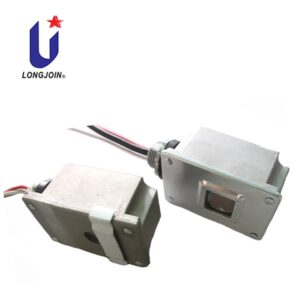
PBT material body

Why Choose PC for Photocontrol Receptacles?

You design lighting for smart cities or major highways. Durability and style matter most. You need a material that stands up to rough weather. It must resist impact and still look sleek. This is where PC (Polycarbonate) helps. It’s a top choice.


 It’s favored for premium photocell lighting sensor installations where both performance and design matter.


PC material is strong and handles impacts. It stays clear and tolerates high heat. It is a top choice for photocell sensor housings worldwide. It works in city and highway lights where safety and reliability matter most.

Advantages of PC:

  • High Impact Resistance: It withstands rough weather and mechanical stress.
  • Transparency: It’s great for designs requiring visible LEDs or lenses.
  • 熱安定性: It withstands high-temperature fluctuations.
  • Excellent Surface Finish: It has a clean and professional look.

Disadvantages of PC:

  • Higher Cost: More expensive than ABS or Bakelite.
  • Processing Complexity: It requires controlled conditions during molding.
  • UV Yellowing: Exposure to sunlight over time may cause discoloration.

特徴

PC Material Highlights

Impact Resistance

素晴らしい

耐熱性

高い

Appearance

Transparent and sleek

料金

$$$ (High-end segment)

Recommended Use Case

High-end smart lighting systems

PC is best suited for photocell control products in high-value projects like smart cities, commercial campuses, or advanced LED systems. You’ll often find PC in NEMAソケット または Zhagaソケット compliant designs, where long-term performance is crucial.

When is ABS the Right Material for Your Photocontrol Receptacle?

Not every lighting job needs top-tier parts. You can still get great results with simpler materials. Sometimes you need a simple, affordable option. It will get the job done, always. You might use ABS in a home lighting setup or a basic commercial install. ABS (Acrylonitrile Butadiene Styrene) is the most practical choice.

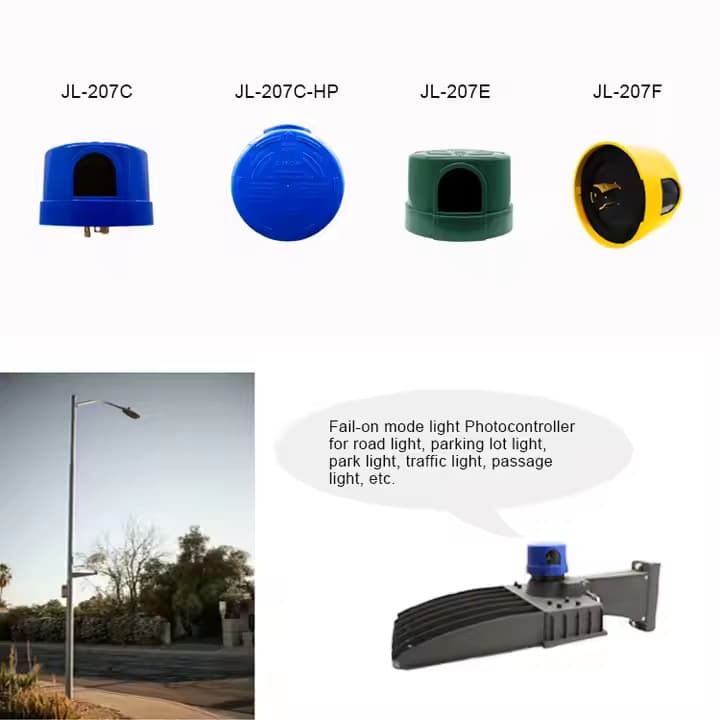
207 series controller
ABS cover

Manufacturers of photocell components often favor ABS. It offers a good overall balance of cost and performance. It is cheaper and easy to mold. It does not match PC’s toughness or heat resistance but works well for bulk production.

Advantages of ABS:

  • 費用対効果が高い: It’s perfect for mass-market lighting products.
  • Good Processability: It is easy to mold and shape.
  • Adequate Strength: Strong enough for moderate conditions.

Disadvantages of ABS:

  • Low Heat Tolerance: Not ideal for high-temperature environments.
  • Weaker Flame Retardancy: May need additional treatment.
  • Chemical Sensitivity: Not resistant to all cleaning agents.

特徴

ABS Material Highlights

Impact Resistance

適度

耐熱性

低い

Appearance

Opaque, basic finish

料金

$$ (Mid-range and economical)

Recommended Use Case

Residential or non-critical lighting

For mid-tier lighting products like dusk-to-dawn photocell switches for home exteriors or basic outdoor light sensor switch devices, ABS is a reasonable and budget-friendly option.


Explore cost-effective models on Long-Joinの製品カタログ.

Is Bakelite Still Relevant in Modern Photocontrol Receptacles?

New materials are growing in popularity. You might ask yourself, why do we still use Bakelite? The fact is, Bakelite—also known as phenolic resin—may look old-fashioned. Yet it still has valuable qualities in very specific applications.


Bakelite still has a place when heat resistance and saving money matter. It stays stable under heat and helps cut costs.

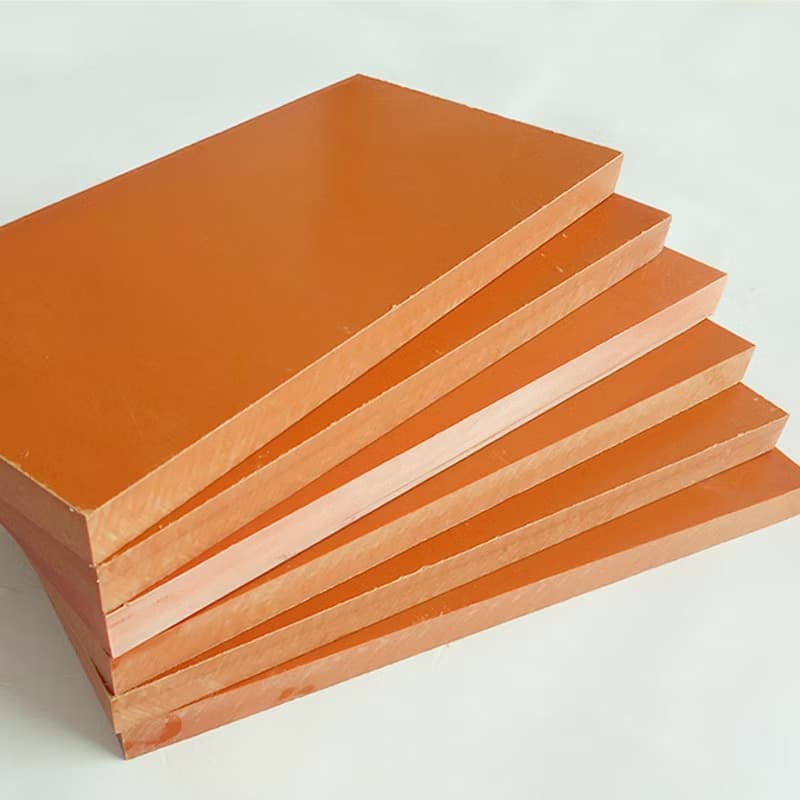
Bakelite material

Need a low-cost solution that offers excellent heat resistance? Bakelite shines in such cases. While not as visually appealing or strong as PC or ABS, its flame-retardant and insulating properties make it a useful material in photocell lighting sensor components for low-budget or heat-critical installations.

Advantages of Bakelite:

  • High Heat Resistance: It handles temperature extremes well.
  • Flame Retardant: It is naturally resistant to fire.
  • Electrical Insulation: It reduces short-circuit risk.
  • Low Cost: It is the cheapest option among the three.

Disadvantages of Bakelite:

  • Brittle Nature: Bakelite can crack under impact.
  • Outdated Appearance: It lacks aesthetic appeal.
  • Complex Processing: It requires specialized methods.

特徴

Bakelite Material Highlights

Impact Resistance

低い

耐熱性

非常に高い

料金

$ (Budget product segment)

Recommended Use Case

Heat-prone or cost-sensitive systems

Appearance

Dull and rigid

Bakelite is often found in photocell for street light controllers located in remote, industrial, or budget-constrained environments where design is secondary to function.

What Role Does PBT Play in Photocell Socket Design?

PBT stands for Polybutylene Terephthalate. It may not be a household name, but it brings special benefits to mid-range photocontrol designs.


Thermoplastic polyester blocks electricity well. It is strong and keeps its shape. PBT stands up well to chemicals. It’s also easy to shape, so making parts is faster.


It has only some heat protection. It can break down in wet conditions, so think twice for outdoor photocell sensor LED street light setups.

Advantages of PBT:

  • Good dimensional stability:It keeps its shape under load.
  • Excellent chemical resistance:It’s ideal for urban environments.
  • Strong electrical insulation:It’s safe for all photocell control systems.
  • Easy to mold:It cuts production complexity.

Disadvantages of PBT:

  • Moderate heat resistance:It can soften under extreme heat.
  • Vulnerable to moisture:PBT may degrade in high-humidity areas.
  • Limited UV resistance:It needs surface protection outdoors.

PBT Material Properties

Performance

Electrical Insulation

Good

耐熱性

適度

Chemical Resistance

素晴らしい

UV Stability

Average

料金

中くらい

最適な使用例: Mid-tier intelligent street light sensor solutions. This is especially for those requiring balance in aesthetics, strength, and cost.

How Do You Choose the Right Material for Your Lighting Application?

Lighting environments vary a lot. It makes sense that no single receptacle material works in every case.To choose the right material, first think about what your project needs most. Your main goal will help you decide which material to use. Do you need strong heat resistance? A visually appealing casing? Or a cost-saving component that still gets the job done?


簡単に比較してみましょう。

材料

最適な用途

Avoid If You Need

パソコン

High-performance and design appeal

Low-cost mass production

ABS

Budget-friendly installations

High heat or flame resistance

Bakelite

High heat, low cost requirements

Impact strength and aesthetics

PBT

Mid-range street lighting systems

UV Stability

例えば:

  • Use a パソコン for photocell LED street light installations in urban environments.
  • Choose ABSfor residential lighting or short-term projects.
  • Go for Bakelitewhen you need flame resistance on a shoestring budget.
  • Use PBT for standard street light photocell sockets in moderate climate zones, where you need reliable performance and good insulation at a competitive price point.

Not sure what to pick? ロングジョインへのお問い合わせ for expert guidance on the ideal material for your photocontrol receptacle.

結論

Choosing the right material for your 光制御レセプタクル — it’s not just about price. This makes your lighting system last longer. It helps it work better and stay safe. You might light a busy city with smart photocell sensor LED street lights. Or you might create low-cost solutions for suburban roads. In both cases, the materials you choose shape your success.

So, next time you choose a photocell designer, don’t stop at specs. Compare what the material offers in real-world use.

外部リンク:

●https://en.wikipedia.org/wiki/Polycarbonate
●https://en.wikipedia.org/wiki/Acrylonitrile_butadiene_styrene
●https://en.wikipedia.org/wiki/Bakelite

地元ユーザーに最適なおすすめガイド

上海LONG-JOINブランドメーカーは、20年にわたりNEMAシリーズコネクタとZhagaシリーズコネクタサービスの専門メーカーとして、海外ブランドの照明器具や電気製品の購入者の多様なニーズに幅広く対応してきました。

当社の製品

私たちについて

リソース

サービス

Copyright © 2024 Long-join. All rights reserved.

jaJapanese

喜んでお手伝いさせていただきます。NEMAコントローラー、Zhagaコントローラー、スマートシティ街路灯コントローラーアセンブリなど、LONG-JOINブランドの最新ビジネスシリーズを豊富に取り揃えております。心よりお祝い申し上げますので、メールアドレスをご登録ください。お客様の信頼できるパートナーとして、この歩みを続けていきたいと考えております。

JL-250FXA、JL-242JV、JL-260C、JL-207C、JL-208、JL-250F、JL-250G、JL-240XA、JL-205C、JL-103A、JL-403、JL-404C、JL-118A、JL-202シリーズ、JL-217C、JL-700、JL-700L、JL-711Aなど